


The Grid Walk as a Cultural Battleground
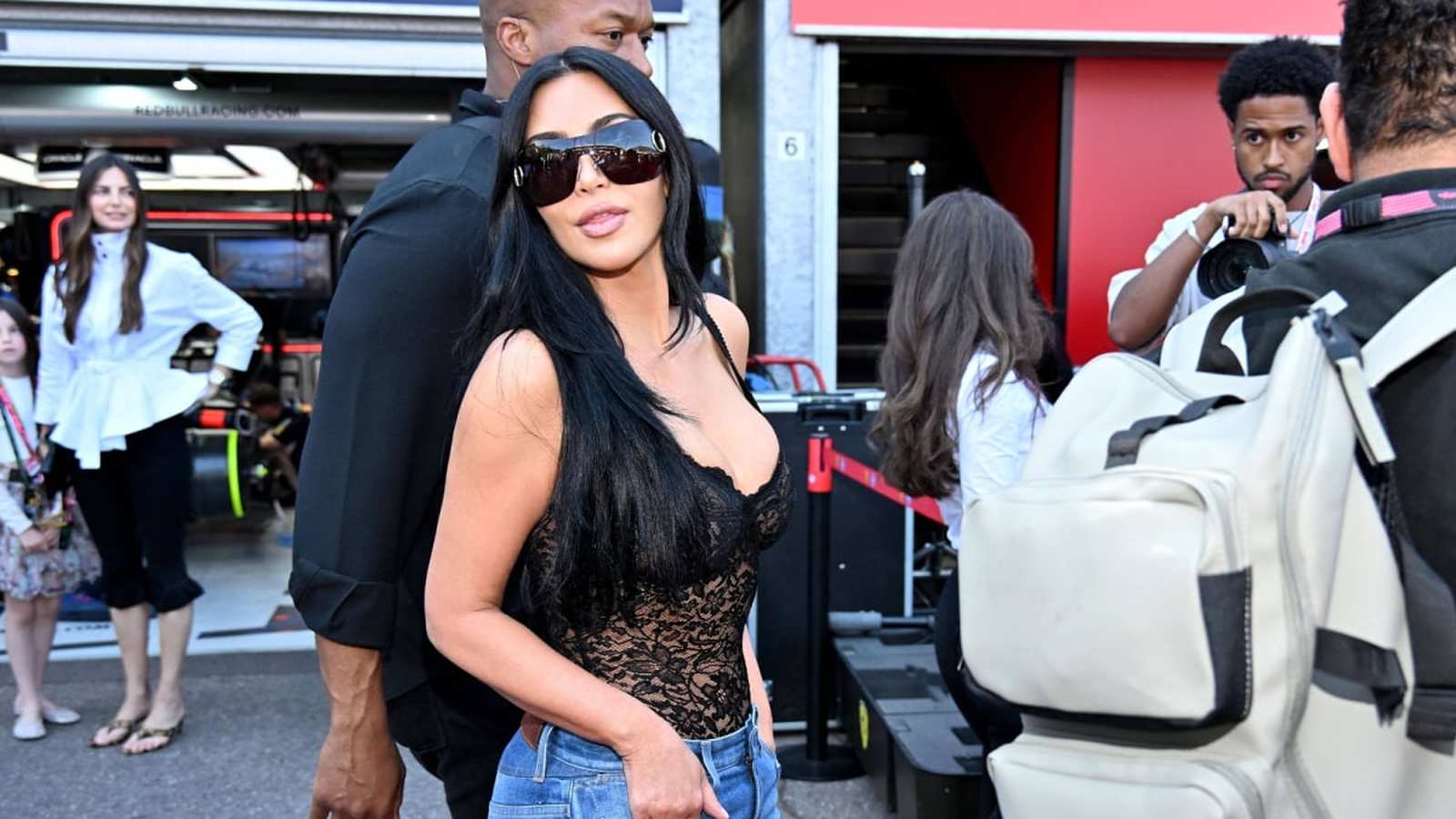
The Monaco Grand Prix grid walk, long considered a staple of Formula 1 broadcasting, became the site of another high-profile friction point this Sunday. Veteran Sky Sports broadcaster Martin Brundle, known for his unscripted, often unpredictable encounters with stars, was ignored by reality television personality Kim Kardashian as he attempted to engage her during the pre-race build-up.
According to reports from GPFans and The Mirror, the interaction occurred while Kardashian was on the grid supporting her partner, seven-time world champion Lewis Hamilton. As Brundle approached, Kardashian acknowledged him with a brief smile but declined to speak into the microphone, opting instead to consult with her security detail. The moment was further complicated by the dense, chaotic nature of the Monaco grid, with Brundle notably remarking, “Don’t push me, mate, I’m nearly famous” to a bystander during the attempt.
This incident is not an isolated occurrence. In recent years, Brundle has navigated similar frosty receptions from celebrities such as model Cara Delevingne and faced bizarre, non-journalistic interactions with individuals like Machine Gun Kelly and Jimmy Fallon. These moments underscore the evolving environment of the F1 paddock.
Analysis: The Collision of Two Worlds
The tension on the grid is a direct consequence of Formula 1’s aggressive push into the American market and its pivot toward a lifestyle-brand identity. As the sport has transformed into a global entertainment powerhouse, the grid—once the exclusive domain of drivers, engineers, and journalists—has become a VIP red carpet.
For broadcasters like Brundle, the traditional “grid walk” requires a level of access that is increasingly incompatible with the curated, public-relations-heavy presence of modern celebrity guests. The “snub” is rarely about personal animus; rather, it reflects a clash between two disparate expectations. The broadcaster seeks an authentic, spontaneous moment to ground the viewer in the event’s atmosphere, while the celebrity, often surrounded by security and PR handlers, is present to project an image, not to undergo an unscripted interview.
As F1 continues to prioritize celebrity visibility, the grid walk may become an increasingly performative or restrictive exercise. The sport must now reconcile its desire for Hollywood-level spectacle with the need to maintain the integrity of its sports broadcasting, which relies on the very access that high-profile guests are increasingly trained to deny.