


The Weaponization of Trade: Noboa’s Tariff Vow
In a move that has sent shockwaves through the diplomatic corridors of Bogotá and Quito, Ecuador’s President Daniel Noboa has been accused of unprecedented interference in the democratic processes of a sovereign neighbor. On the eve of Colombia’s pivotal presidential election, Noboa announced a commitment to lift punitive trade tariffs—but with a significant caveat: the measure was framed as a bilateral agreement reached with right-wing opposition candidate Abelardo de la Espriella, rather than the sitting government of President Gustavo Petro. This strategic alignment, presented as a vision for an ‘administration-in-waiting,’ has been characterized by Colombia’s Foreign Ministry as a ‘flagrant violation of the principle of non-intervention.’
The stakes of this diplomatic maneuver are quantified by the severe trade war that has gripped the two nations since January 2026. Ecuador had gradually escalated tariffs on Colombian imports from an initial 30% to a staggering 100%, citing Bogotá’s alleged failure to secure their shared border against the flow of narcotics. The Petro administration, in turn, retaliated with reciprocal 75% tariffs and a suspension of energy sales to Ecuador. By promising to drop these barriers as of June 1 specifically following his dialogue with De la Espriella, Noboa has effectively transformed a national security and economic dispute into a powerful electoral endorsement, leveraging the livelihoods of Colombian exporters to influence the ballot box.
Electoral Polarization: Cepeda vs. De la Espriella
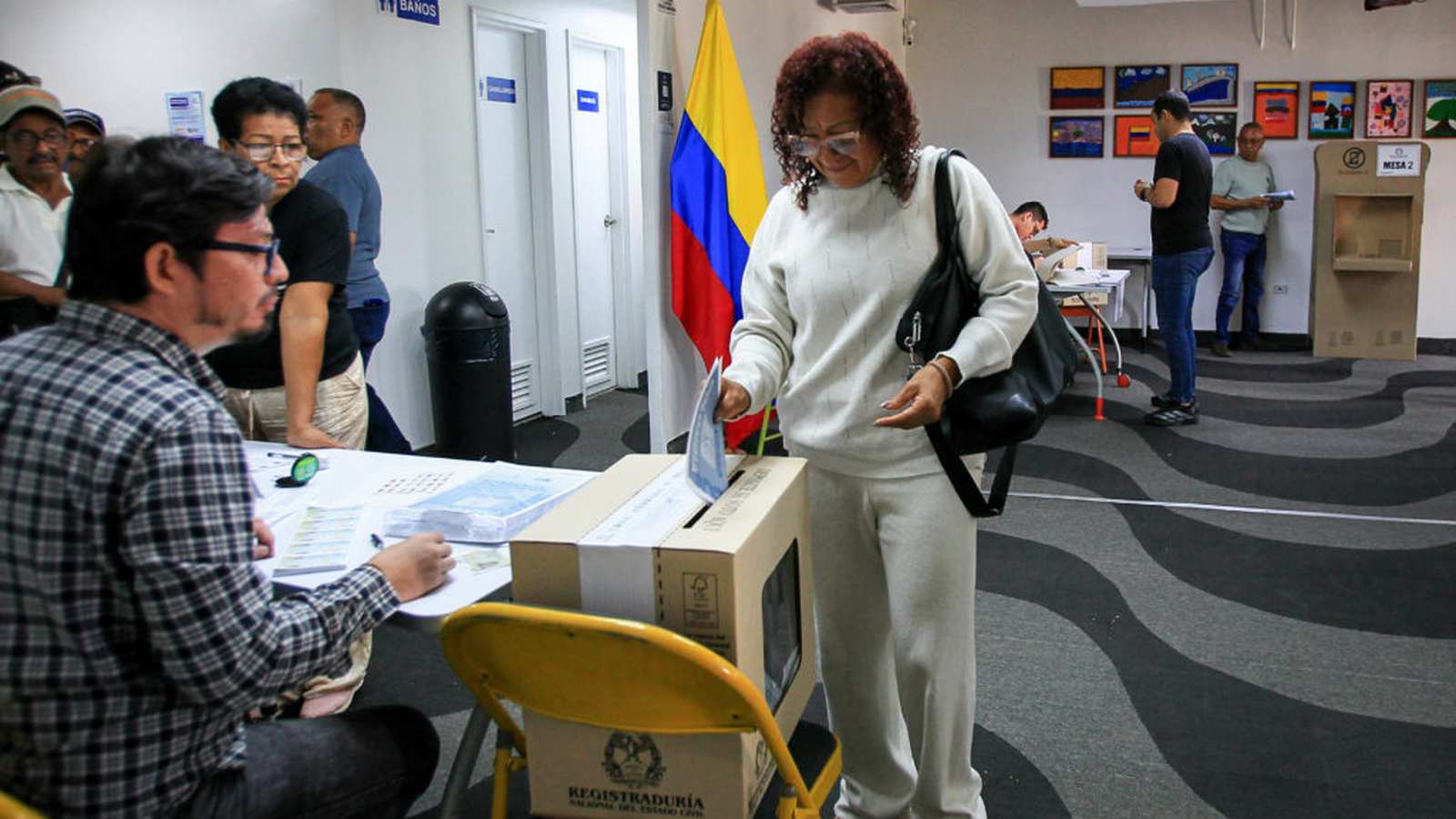
Colombia heads to the polls this Sunday in an atmosphere of intense political fragmentation. The election is widely seen as a referendum on the ‘Total Peace’ policy of the incumbent Petro administration, represented by his hand-picked successor, Iván Cepeda. Cepeda’s platform emphasizes negotiated settlements with armed groups and a move away from the traditional militarized approach to the drug war. In stark contrast, Abelardo de la Espriella, representing the ‘Defenders of the Homeland’ movement, has vowed a military crackdown and a restoration of the security-first doctrine that defined previous decades of Colombian governance.
The intervention by Noboa serves to bolster De la Espriella’s credentials as a leader capable of restoring regional economic stability. However, the Colombian Foreign Ministry was quick to debunk the narrative of a ‘goodwill gesture,’ noting that the repeal of tariffs actually stems from a resolution issued by the Andean Community of Nations (CAN). The ministry’s statement on Saturday emphasized that the misleading presentation of this legal requirement as a personal agreement with an opposition figure constitutes an attack on the democratic system. This tension is further exacerbated by the fact that Noboa has not clarified whether the tariffs would remain in place should the ruling party candidate, Cepeda, emerge victorious.
The US Shadow: Narcopolitics and the Monroe Doctrine
The geopolitical dimensions of this dispute are deeply intertwined with the shifting priorities of the United States. President Noboa, a staunch ally of the Trump administration, has positioned Ecuador as a primary partner in the US-led alliance against cartels. This stands in sharp contrast to President Petro’s more adversarial relationship with Washington, particularly regarding issues of regional sovereignty and drug trafficking strategies. The recent capture of Venezuela’s Nicolás Maduro by US forces in January has left Petro as one of the few remaining left-wing leaders in the region not ideologically aligned with the current US administration.
The revival of the Monroe Doctrine—the 19th-century policy asserting US hegemony over the Western Hemisphere—has added a layer of systemic tension. Both Trump and Petro have publicly toyed with the idea of US military intervention in Colombia, albeit for very different reasons. Noboa’s alignment with the US security apparatus and his use of trade leverage against the Petro administration suggests a coordinated effort to isolate Colombia’s left-wing leadership. Observers note that while historic anti-drugs cooperation between the US and Colombia has continued despite rhetoric, the current rift could redefine which countries the Latin American nation aligns itself with for the remainder of the decade.
Andean Legal Frameworks and Economic Reciprocity
The economic fallout of the trade war has been substantial, with Ecuador complaining of a trade deficit exceeding $1 billion. The Andean Community of Nations, the regional trade bloc designed to foster integration, has found itself at the center of the dispute. The Petro administration’s decision to prohibit energy sales to Ecuador in response to the tariffs has placed significant strain on the Ecuadorian power grid, which has long relied on its neighbor’s surplus. The legal battle within the Andean Community is ongoing, with various appeals currently under review.
While the political elite trade barbs, the public remains focused on security and the economy. In a brief moment of national distraction, both nations are also engaged in cultural and sporting milestones. Ecuador is set to face Saudi Arabia in an international friendly match this Saturday, May 30, as both teams prepare for the 2026 FIFA World Cup. While seemingly unrelated to the diplomatic crisis, the match serves as a reminder of the national identities at play and the shared desire for international recognition, even as the political infrastructure of the Andes faces its most significant stress test in recent history.
The current friction between Quito and Bogotá represents a significant departure from the traditional diplomatic norms of South America, where the principle of non-intervention has long been a cornerstone of regional stability. By explicitly linking trade concessions to the electoral success of a specific ideological ally, President Noboa has not only weaponized economic policy but has also signaled a shift toward a more transactional and interventionist regional order, likely emboldened by a resurgent Monroe Doctrine. This precedent threatens to transform the Andean Community from a cooperative trade bloc into a theater of political leverage, where national sovereignty is increasingly contingent upon ideological alignment with powerful neighbors and their external patrons. As Colombia heads to the polls, the stakes transcend domestic governance, touching upon the very future of Latin American multilateralism.