


A New Diplomatic Strategy
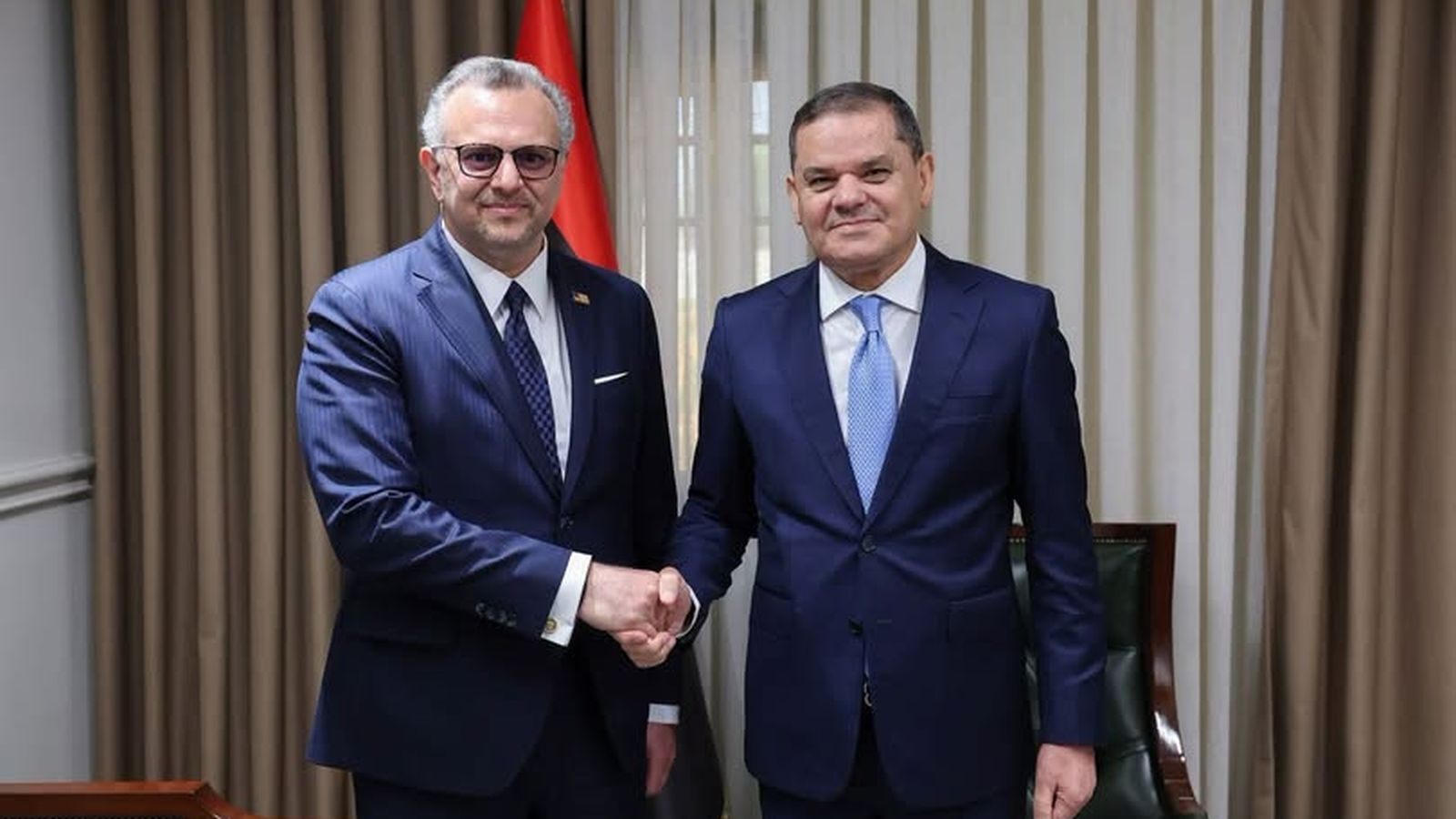
The United States has intensified its diplomatic efforts to resolve Libya’s long-standing political crisis, spearheading a mediation plan that ties potential international oil investment to the formation of a unified government. Led by Massad Boulos, a senior adviser to President Donald Trump, the initiative aims to bridge the gap between Libya’s rival eastern and western administrations.
Libya has remained fractured since the 2011 NATO-backed uprising, with the UN-recognized Government of National Unity (GNU) in Tripoli and the eastern-based Libyan National Army (LNA) led by Khalifa Haftar maintaining separate power structures. The US proposal reportedly envisions a 36-month transitional power-sharing agreement, potentially positioning Prime Minister Abdul Hamid Dbeibah to remain in leadership alongside Saddam Haftar as president.
The “Oil for Unity” Incentive
The core of the US strategy is an economic incentive: if the warring factions achieve political unity, the US would encourage major international corporations to invest in Libya’s vast, untapped oil reserves. As Libya holds Africa’s largest proven oil reserves, the prospect of long-term investment is being presented as a critical driver for stability.
“For special adviser Massad Boulos, Libya appears to offer a theatre in which political stability could provide a springboard for increased US commercial engagement in Libya’s oil sector,” said Tim Eaton, a senior research fellow at Chatham House. While the factions reached a landmark agreement on a unified national budget in April 2026, formalizing a unified government remains a significant challenge due to internal opposition and deep-seated mistrust between the Dbeibah and Haftar camps.
Regional and Global Stakes
The mediation efforts are not taking place in a vacuum. Recent meetings in Washington, DC, involving Saddam Haftar and US Secretary of State Marco Rubio, underscore the high-level focus on the region. Furthermore, reports suggest that Pakistan has joined as a secondary mediator, leveraging its existing defense ties with the eastern-based LNA to facilitate dialogue.
The US interest is also driven by geopolitical energy concerns. Following disruptions in the Strait of Hormuz, Western powers are increasingly looking to Mediterranean energy sources. Libya’s light, sweet crude is ideally suited for European refineries, making the stabilization of the country a strategic priority for Western energy security.