


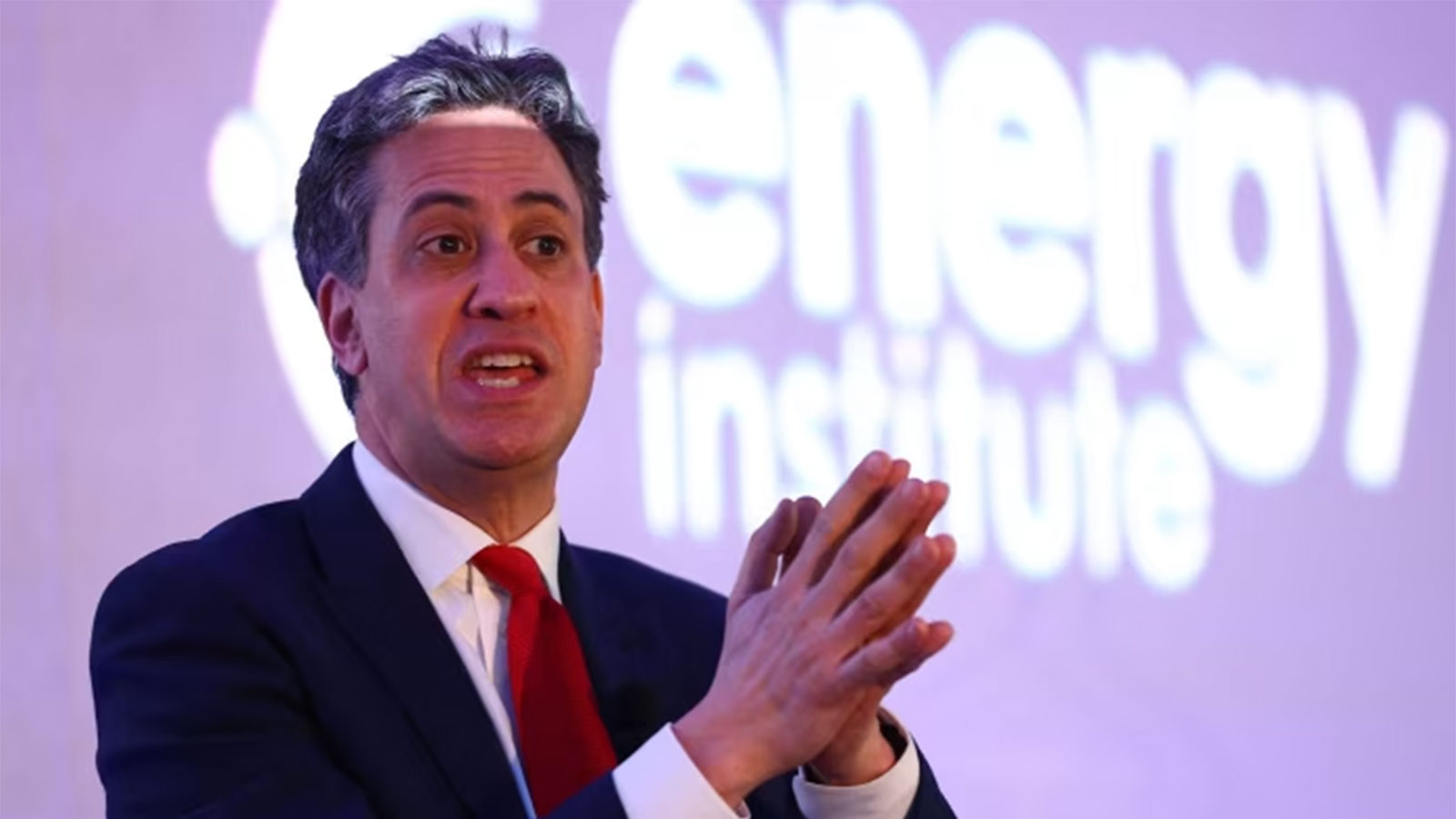
LONDON (Azat TV) – The UK government has launched a new, taxpayer-backed energy advice tool aimed at helping hospitality businesses manage soaring operational costs, but the initiative has triggered an immediate and vocal backlash from pub owners. Energy Secretary Ed Miliband introduced the digital guide on March 17, 2026, as businesses grapple with a sharp rise in energy prices fueled by the ongoing conflict in the Middle East.
Operational Guidance Sparks Industry Frustration
The government-backed advice tool suggests that pubs could reduce their electricity consumption by turning off bottle fridges during overnight hours and serving beer at warmer temperatures. While the Department for Energy Security and Net Zero presented these measures as practical ways to mitigate the financial strain of rising energy bills, industry leaders have dismissed the suggestions as disconnected from the realities of running a business.
Andy Lennox, a prominent pub owner, described the advice as “short-sighted, bureaucratic, and headline-grabbing,” noting that experienced operators already prioritize energy efficiency as a standard business practice. Beyond the perceived simplicity of the advice, industry representatives emphasize that certain equipment cannot be powered down due to strict health and safety regulations, rendering parts of the government’s guidance impractical or legally non-compliant.
Financial Pressures Amidst Global Instability
The launch of this tool occurs as the sector faces a significant financial crisis, with some businesses reporting energy quotes 30 percent higher than they were just one month ago. The hospitality industry is particularly vulnerable, as unlike domestic households, commercial premises receive no protection from the Ofgem price cap, leaving them fully exposed to volatile wholesale energy markets.
Emma McClarkin, chief executive of the British Beer and Pub Association, stated that the sector is struggling under “eye-watering” costs that go well beyond electricity, citing disproportionate tax burdens. She highlighted that with the typical pub making only 12p profit on a £5 pint, narrow margins leave little room for the operational disruptions suggested by the new guidelines.
The Broader Net Zero Debate
The controversy has reignited the national debate over the government’s aggressive Net Zero strategy. Critics, including opposition figures, argue that the current energy policy prioritizes ideological goals over the economic survival of working-class businesses. Reform UK has publicly attacked the strategy, pledging to slash energy bills by £200 through the removal of specific levies, characterizing the government’s approach as a primary driver of economic hardship.
Government officials, including Industry Minister Chris McDonald, continue to defend the transition to clean energy as a matter of national security. They argue that the current volatility in oil prices, which have climbed toward $100 per barrel, underscores the necessity of achieving energy sovereignty through home-grown power rather than dependence on fossil fuel markets.
The backlash highlights a growing disconnect between government-led energy transition strategies and the immediate, granular financial realities facing small businesses, suggesting that until energy costs stabilize, technical advice will likely be viewed by the sector as a secondary concern to systemic economic relief.