


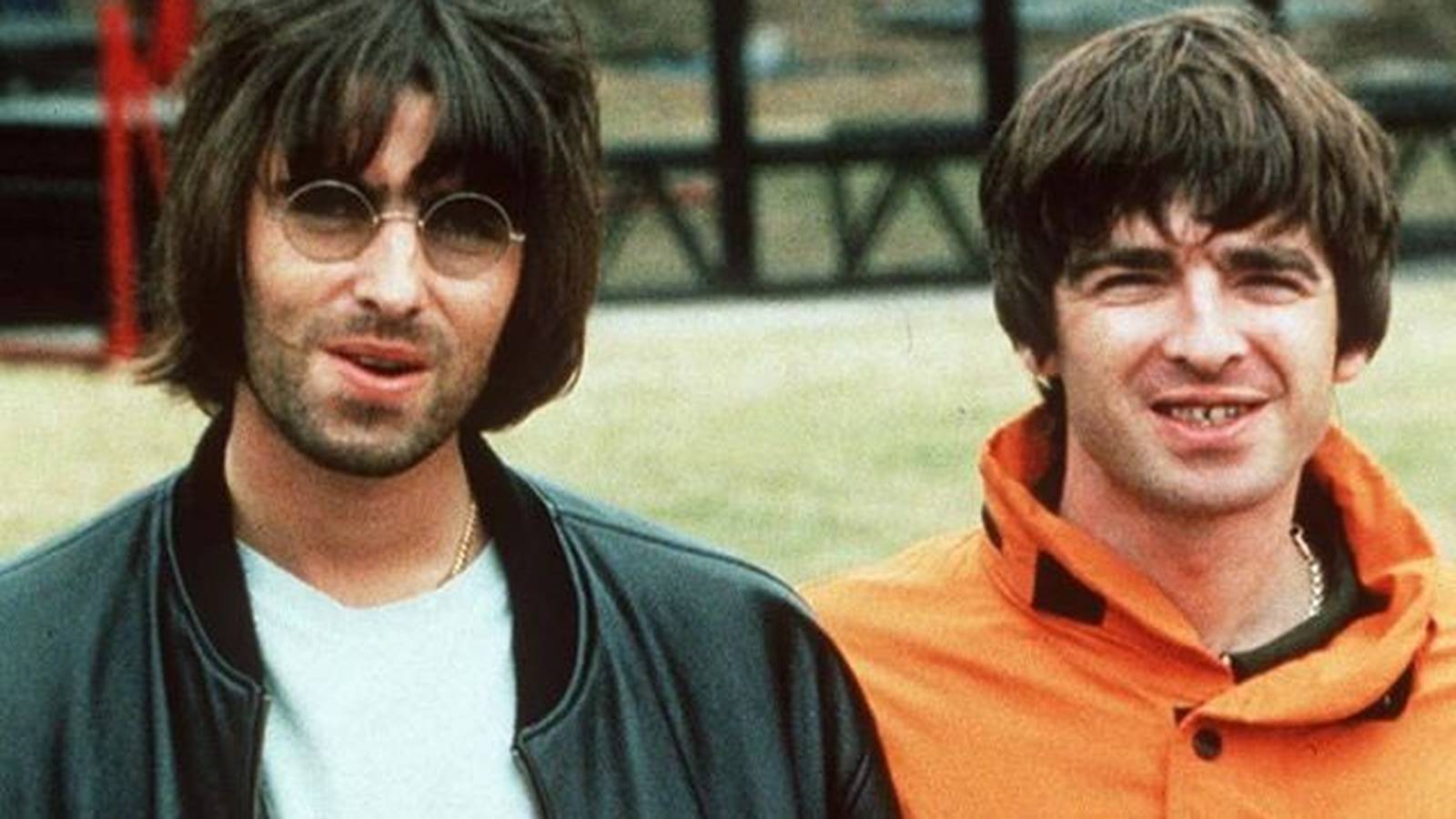
As August 2026 marks the 30th anniversary of Oasis’s historic 1996 Knebworth concerts, the legacy of Britain’s definitive Britpop era is merging with a highly anticipated modern chapter. Following their blockbuster 2024 reunion and subsequent 2025 comeback tour, a new documentary titled Don’t Look Back In Anger is scheduled for release next month. According to comprehensive reports from Sky News, the film will feature the Gallagher brothers’ first joint interview in over 20 years, offering an unprecedented look at their reconciliation and the enduring cultural impact of their peak years.
The Scale of the 1996 Phenomenon
In August 1996, Oasis performed two legendary nights at Knebworth House in Hertfordshire, drawing a combined crowd of 250,000 fans. The event took place just under two years after the release of their debut album, representing an unprecedentedly rapid ascent from small clubs to the largest outdoor venue in the country. Tickets were priced at just £22.50, and the supporting lineup featured iconic acts of the era, including The Prodigy, Manic Street Preachers, The Chemical Brothers, and The Charlatans.
Industry estimates suggest that more than 2.5 million people applied for tickets—over four percent of the British population at the time—shattering box office records. “This is history,” Noel Gallagher famously declared to the crowd. “Right here, right now, this is history.” The concerts became a defining cultural touchstone of the 1990s, set against the backdrop of the Euro 96 football tournament and the burgeoning “Cool Britannia” movement.
An Intense Cultural Blur
Despite the historic nature of the weekend, many of those closest to the band, including Liam and Noel Gallagher, have admitted they remember very little of the actual performances. Brian Cannon, the band’s artwork designer at the time, watched both nights from the stage but recalls almost nothing of the music itself. “It was just so intense, it just wiped itself from my memory,” Cannon shared, emphasizing that the sheer scale of the event—including a backstage guest list of 7,000 people—overshadowed individual moments.
Jake Scott, director of the 2021 documentary Oasis Knebworth 1996, noted that the intensity was not driven by substance abuse but by the sheer magnitude of the occasion. Scott highlighted the unique, pre-smartphone connection between the band and the audience, where fans were fully present in the moment rather than viewing the stage through screens. Photographer Michael Spencer Jones, who documented Oasis’s early years, recalled the astonishing journey of seeing the band transition from playing in front of a dozen people to captivating the entire nation in less than three years.
From Fractured Brotherhood to the 2025 Reunion
The Knebworth performances represented both the absolute peak of Oasis’s cultural dominance and the beginning of the internal fractures that would eventually dismantle the band. Spencer Jones recalled that the level of fame made the band increasingly difficult to be around, and the underlying tension between the brothers was already palpable. Liam Gallagher famously summarized their volatile dynamic by stating, “if we had a fruit and veg store, we’d argue about where to put the tomatoes.”
That creative friction fueled their legendary music but ultimately led to the band’s acrimonious split in 2009. For fifteen years, Noel and Liam pursued separate paths, repeatedly dismissing rumors of a reconciliation. However, the announcement of their reunion in 2024 and the subsequent triumphant stadium shows of 2025 proved that the public’s appetite for Oasis remains undiminished. With the upcoming release of Don’t Look Back In Anger next month, fans will finally gain insight into how the brothers mended their relationship, paving the way for what Liam has teased as “more to come” on their ongoing journey.