

Quick Read
- Elena Rybakina faces Catherine McNally in the China Open Round of 64.
- Rybakina is ranked No. 10, McNally No. 93, with Rybakina favored to win.
- Rybakina holds a 65% hard-court win rate; McNally leads H2H 1-0 from 2021.
- Beijing tournament offers $8.96 million in prizes and key WTA points.
- Kazakhstan’s tennis presence grows with Rybakina and Bublik in top ranks.
China Open: Rybakina Returns to the Spotlight
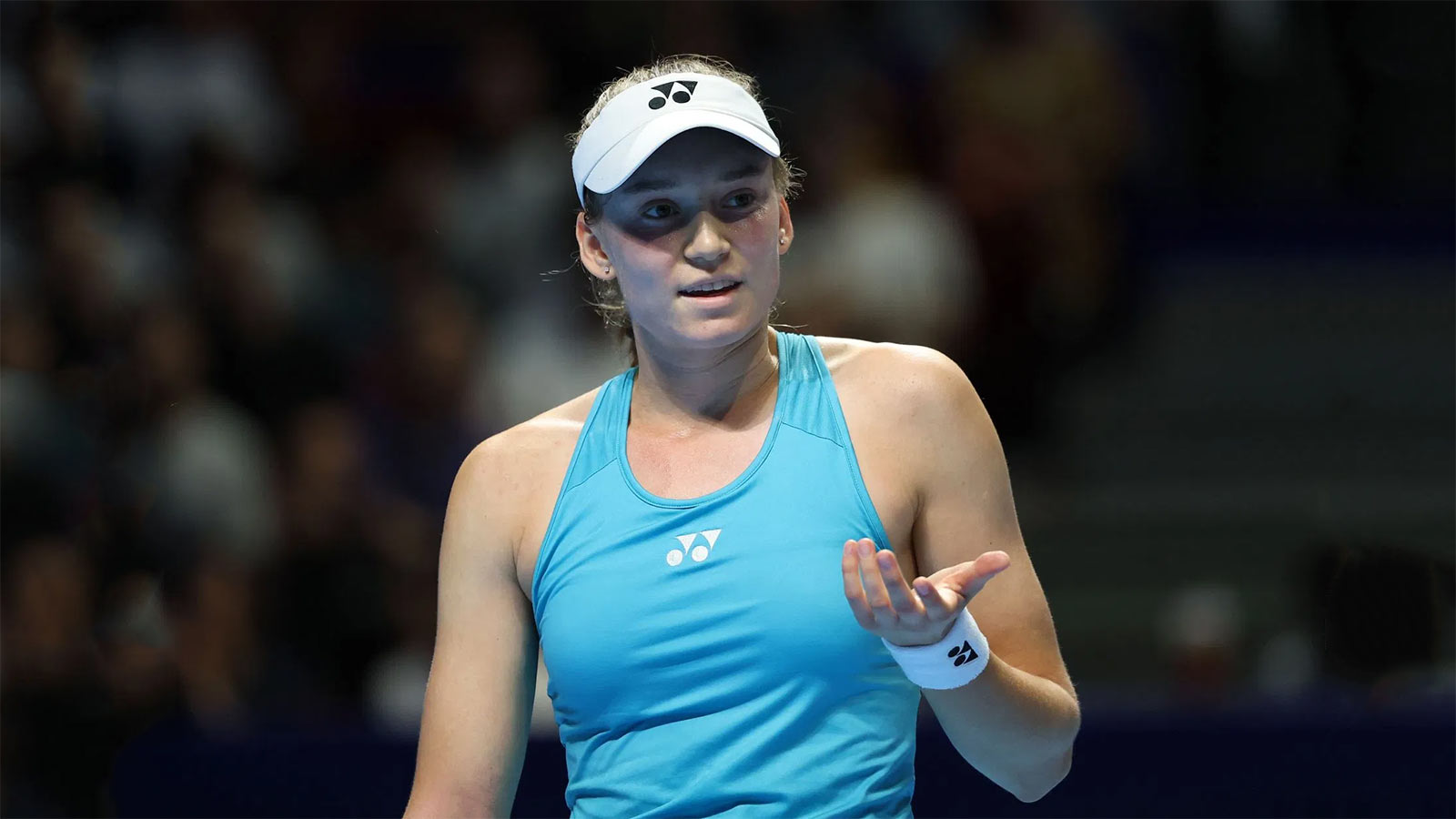
On September 26, 2025, the tennis world turns its gaze to the electric courts of Beijing, where Elena Rybakina, Kazakhstan’s top tennis export, steps onto the stage at the WTA 1000 China Open. Her opponent in the round of 64 is Catherine McNally of the United States—a qualifier on a hot streak, hungry for an upset. The Beijing National Tennis Center is alive with anticipation, the air thick with the sense that anything can happen under its bright lights.
Rybakina’s Road: Resilience, Power, and a Search for Form
Rybakina enters the match ranked No. 10, carrying both the weight of expectation and the scars of a turbulent season. Her 2025 campaign is one of highs and lows: 44 wins, 17 losses, and titles in Brisbane and Abu Dhabi. Yet, injuries and health issues have haunted her journey. Quarterfinal finishes at Indian Wells, the French Open, Wimbledon, and the US Open show her consistency, but also reveal a player striving to break through the ceiling.
Her semi-final loss to Aryna Sabalenka at Indian Wells (6-4, 7-5), a tough French Open quarterfinal exit to Jasmine Paolini (6-7(5), 1-6), a five-set Wimbledon semi-final against Barbora Krejcikova, and a tight US Open defeat to Iga Swiatek (6-3, 7-6(7))—these moments have defined a season where every rally is a test of her resolve. “Quarters at any venue is good going considering the obstacles,” she remarked, referencing allergies that plagued her in Paris. At 6’1″, Rybakina’s flat groundstrokes and top-five ace count (6.4 per match) make her a force on hard courts, where she boasts a 65% career win rate.
But the story goes deeper. After a stretch of coach drama and persistent fatigue, Rybakina arrives in Beijing rested and determined. She skipped Tokyo, opting instead for recovery—a move signaling her intent to peak when it matters most. Her service hold at 85% is a weapon, yet fatigue can introduce errors, a risk she must manage against McNally’s relentless style.
Catherine McNally: The Qualifier with Momentum
Across the net, Catherine McNally stands as the underdog, but not without credentials. Back from elbow surgery, McNally has shifted her focus to singles in 2025, posting a 14-12 record. Her journey to the main draw was anything but easy: victories over Liang (6-3, 6-3) and Wang (6-4, 6-1) in the qualifiers, followed by a straight-sets win against Siegemund (6-4, 6-2) in the first round. “Building momentum feels amazing,” she posted after her latest win, a sentiment that resonates with any athlete clawing back from injury.
McNally’s style is crafted for hard courts—right-handed slice backhands, aggressive forehands, and sharp volleys that have earned her eight doubles titles. Her serve, reliable 65% of the time, is less formidable against the big hitters. Historically, McNally leads their head-to-head 1-0, having defeated Rybakina in 2021 Charleston on clay (6-3, 6-2), but her record against top-20 opposition (20% win rate) paints her as the clear underdog.
Beijing’s Atmosphere: A Global Stage for Stars
The China Open is more than just a tournament—it’s a showcase of the sport’s global reach. Flashscore.com reports a packed schedule, with star names like Coco Gauff, Amanda Anisimova, and Alexander Zverev joining the fray. The prize purse—nearly $9 million—and vital WTA Finals points make every match a battle for prestige and position. According to Sky Sports, Rybakina versus McNally is one of the headline acts, drawing viewers from across the world.
The event is a crossroads for players in search of form, redemption, or simply the thrill of competition. The courts are fast, favoring players like Rybakina who thrive on quick points and powerful serves. For McNally, the challenge is steep—her net play and tactical variety must compensate for Rybakina’s baseline dominance.
Tactics and Odds: What the Numbers Reveal
Betting markets, as analyzed by Telecom Asia Sport, strongly favor Rybakina. She is an 85% favorite against sub-top-50 opponents on hard courts, while McNally wins only 20% of her matches against the elite. Rybakina’s straight-set victory probability stands at 70%, and her average of 17 games per match on fast courts suggests a quick contest. Odds for Rybakina to win and under 22.5 games are set at 1.63, while under 19.5 games comes in at 1.85. Aces will be a key stat—Rybakina averages over 7.5 per match, a figure likely to rise on Beijing’s surface.
For McNally, the path to victory is narrow: she must disrupt Rybakina’s rhythm, exploit any signs of fatigue, and lean on her net skills. Yet the numbers suggest a decisive win for Rybakina, whose power and consistency on hard courts are hard to match.
Wider Implications: Kazakhstan’s Tennis Ascent
Rybakina’s success is part of a broader story for Kazakhstani tennis. As noted by Kazinform, Alexander Bublik’s climb to a career-high ATP ranking of 16th underscores the nation’s growing presence in the sport. Rybakina, with her WTA top-10 status, is the flagbearer—her performances in Beijing and beyond reflect the ambitions of a tennis community on the rise.
For Kazakhstan, each victory on the international stage is a step forward, a moment to inspire the next generation. Rybakina’s journey, marked by resilience and adaptation, is a blueprint for athletes facing adversity.
Looking Ahead: What’s at Stake
The Rybakina-McNally clash is more than a routine early-round match—it’s a referendum on form, health, and the ability to seize the moment. For Rybakina, a win would exorcise the ghost of their previous meeting and set the tone for a deep run in Beijing. For McNally, it’s an opportunity to test herself against one of the game’s best and perhaps, write a new chapter in her comeback story.
As the match unfolds, fans and pundits alike will watch for signs of Rybakina’s explosive power, McNally’s tactical creativity, and the emotional undercurrents that make tennis such a compelling spectacle. In Beijing, under the floodlights, every point is a chance for redemption, every rally a window into the athletes’ souls.
Assessment: Rybakina’s return to Beijing is a testament to her resilience and power, but it’s also a reminder of the razor-thin margins at the top of women’s tennis. Her ability to overcome adversity—physical and psychological—will be as crucial as her serve. For McNally, the match is a learning experience and a stage to prove her growth. In the broader context, this encounter highlights the vibrancy of global tennis and Kazakhstan’s rising influence, offering fans a glimpse into the sport’s future and the ongoing battle for supremacy.