


A Call for Institutional Reform
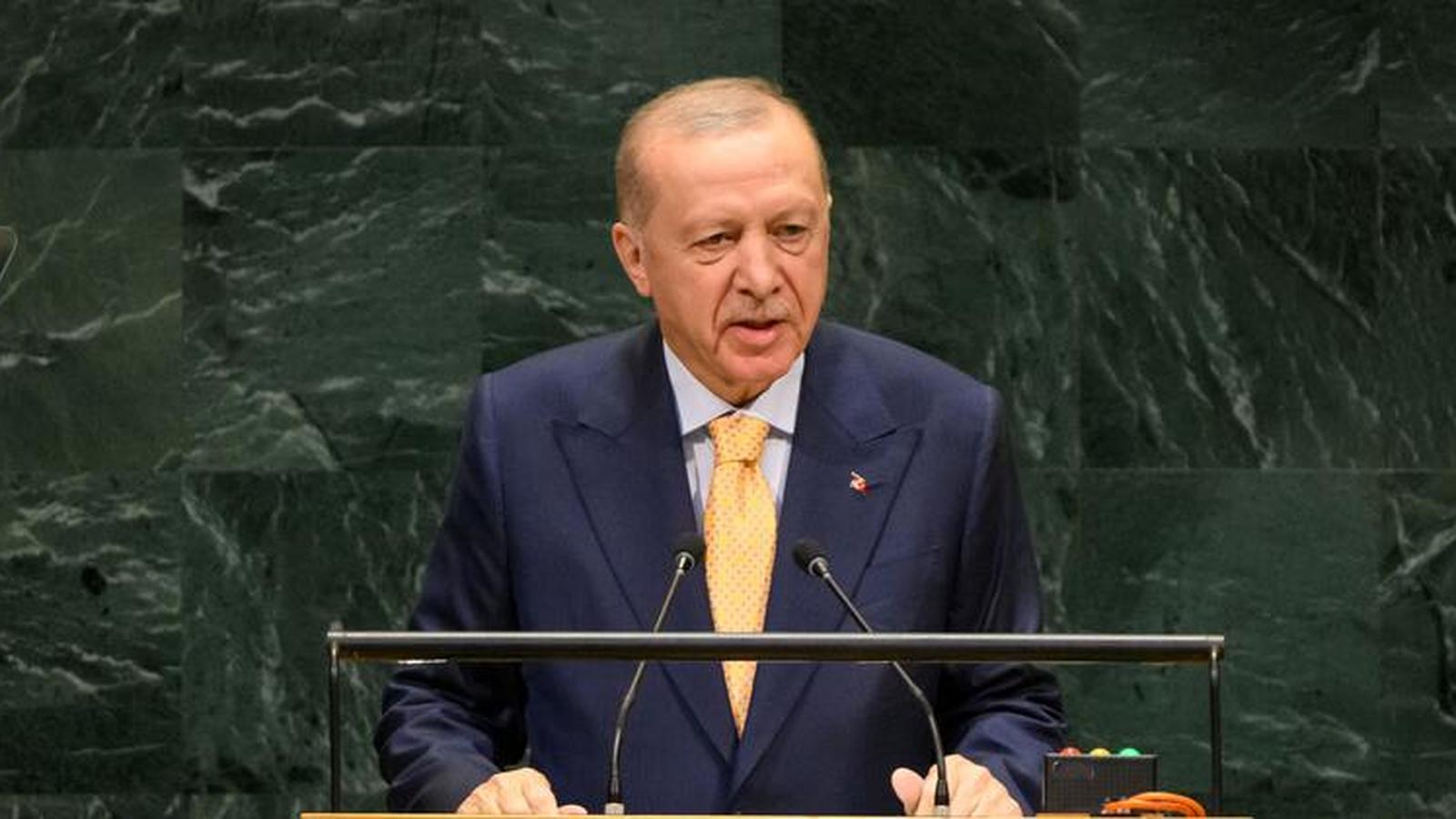
During his address to the 81st session of the United Nations General Assembly in New York, Turkish President Recep Tayyip Erdoğan delivered a sharp critique of the international system, arguing that the UN has been “rendered unable” to fulfill its foundational mission of maintaining global peace. Speaking on September 22, 2026, Erdoğan highlighted the ongoing conflicts in Gaza, Ukraine, Sudan, and Lebanon as evidence of a systemic failure to protect vulnerable populations, according to UN News.
The Turkish leader focused heavily on the humanitarian crisis in Gaza, which he described as the “world’s largest graveyard for children.” He asserted that the conflict, characterized by high rates of child amputations and severe power shortages in hospitals, is driven by what he termed a “genocidal mindset.” Erdoğan further claimed that Israel continues to ignore international calls for a cessation of hostilities, despite previous diplomatic efforts involving international mediators.
The “World is Bigger Than Five”
Erdoğan reiterated his long-standing argument that the current UN Security Council structure is inherently unfair. He argued that a system where the collective will of over 190 nations is subject to the veto power of five permanent members is incapable of inspiring trust or establishing global equity. He called for urgent reforms to the Security Council, stating that the organization must operate under the principle that “the world is bigger than five.”
The President noted that while a ceasefire had been previously brokered, the number of Palestinian casualties continued to rise. He pointed to the displacement of hundreds of thousands of people and the reported destruction of UNRWA’s initiatives as critical failures of the international community. He argued that the UN’s inability to stop these actions has led to deep disappointment among those in crisis zones who once looked to the body for protection.
Proposed Shifts in Global Diplomacy
Beyond his criticism of the current crisis, Erdoğan outlined four primary pillars for a new international order. He argued that the world must move away from a system where international law is applied unevenly, noting that impunity for wrongdoers is leading to the decay of global institutions. He also advocated for greater regional ownership in resolving crises, citing the Black Sea Grain Corridor as a successful model of regional cooperation.
Furthermore, the Turkish President called for an approach centered on open diplomacy and collective efforts to address deepening global income inequality. He emphasized that the path forward lies in “joint development, solidarity, and connectivity.” As the UN looks toward its future, Erdoğan’s remarks underscore the growing pressure on the organization to reconcile its founding ideals with the realities of modern geopolitical conflict.