


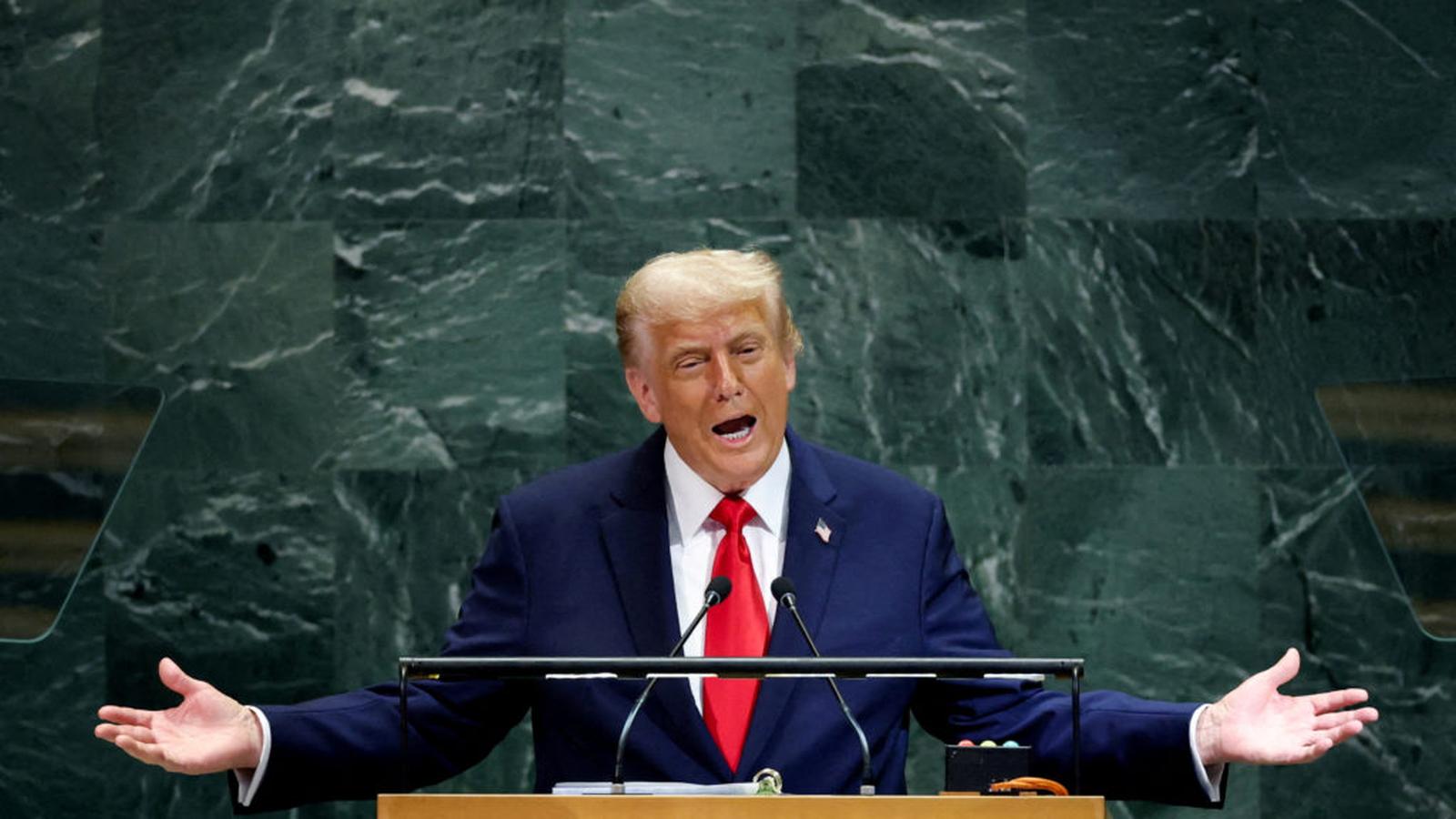
A Pivot Point at the UN
The 81st United Nations General Assembly opened in New York this week, with the global body facing a confluence of security, technological, and environmental crises. Among the first speakers, US President Donald Trump utilized the platform to address the ongoing instability in the Middle East and the shifting nature of international alliances, according to DW News.
Trump’s address was marked by a characteristic mix of bellicose rhetoric and diplomatic overtures. While the President warned that he remained prepared to “annihilate” the Islamic Republic if necessary, he simultaneously revealed to reporters that American and Iranian officials had conducted a three-hour meeting on the sidelines of the assembly. He described the talks as “very productive,” signaling that a potential deal remains a tangible, if uncertain, prospect for the administration.
Ukraine and the Winter Energy Crisis
The conflict in Ukraine remained a central focus of the assembly. On the sidelines, President Volodymyr Zelenskyy held a 40-minute meeting with Trump to discuss a potential “energy ceasefire.” Zelenskyy characterized the talks as “positive and productive,” noting that both leaders share an interest in de-escalation ahead of the winter months. The Ukrainian leader suggested that a formal agreement to halt strikes on energy infrastructure could serve as a crucial humanitarian and strategic step.
French President Emmanuel Macron, addressing the assembly for the final time in his tenure, proposed a “double moratorium” on strikes against energy and civilian infrastructure, as well as a Black Sea moratorium to facilitate grain shipments. Macron’s proposal underscores the urgency felt by European leaders as Russia’s full-scale invasion approaches its five-year anniversary in February 2027.
Geopolitical Competition and Technological Sovereignty
Beyond immediate military conflicts, the assembly served as a venue for leaders to debate the future of international rules and technological independence. French President Macron urged likeminded nations to pool resources to create an open-source artificial intelligence model, arguing that states must avoid becoming “vassals” to the technological dominance of the US and China.
Finnish President Alexander Stubb offered a stark warning regarding the decline of multilateral cooperation. Stubb argued that while competition between nations is inevitable, the current trend toward a non-cooperative, multipolar order is “short-sighted” and threatens the stability required for both large and small powers to thrive. His remarks echoed a broader sentiment among European delegates that the rules-based international order is currently under its most significant strain in decades.