


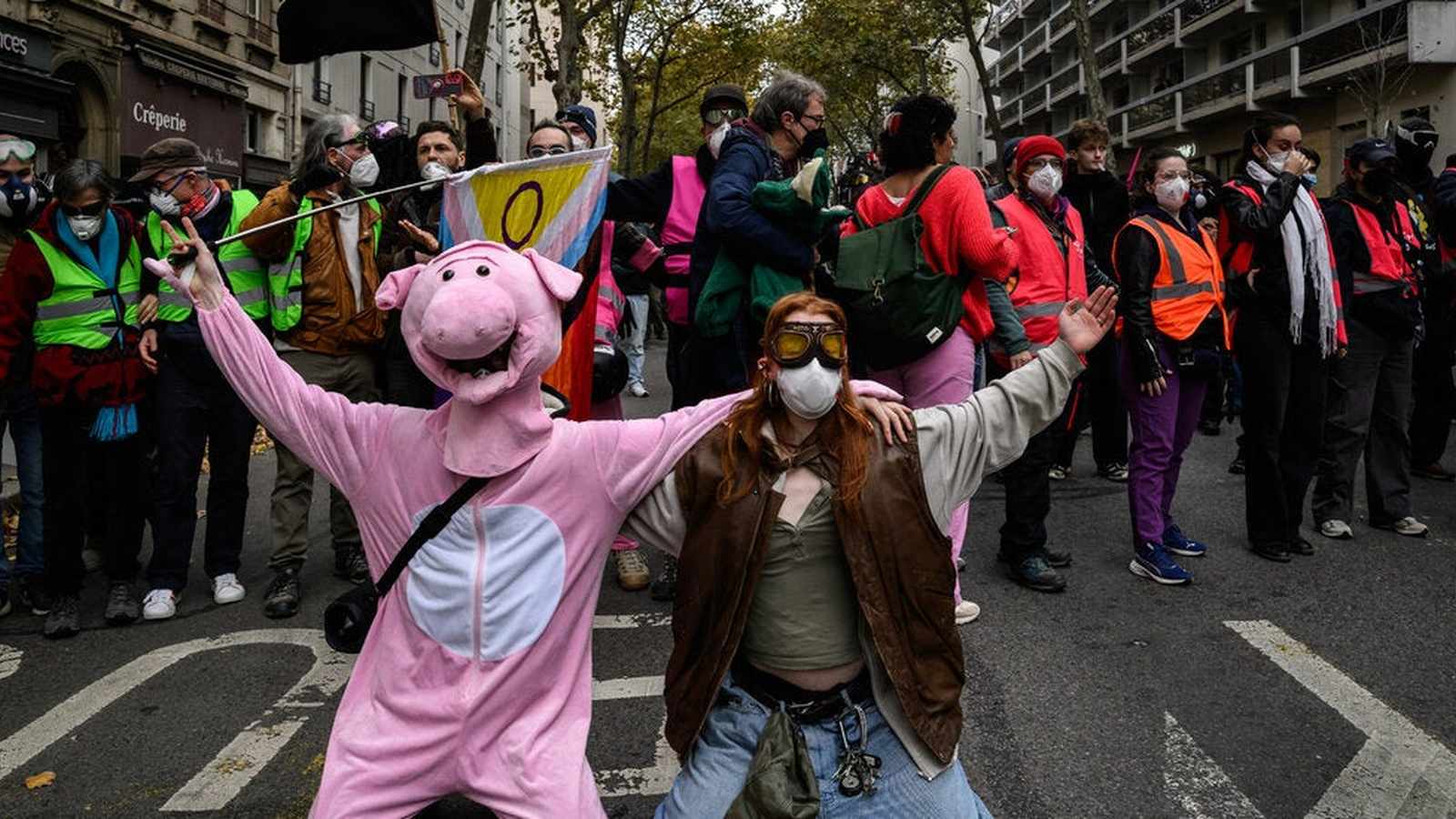
On November 14, 2026, a wave of mass antigovernment demonstrations and student protests continued to unfold across multiple European countries, spotlighting a profound structural crisis driven by demographic shifts. As reported by the New York Times on November 14, 2026, the unrest sweeping nations including France, Belgium, Germany, Greece, Italy, and Portugal is increasingly fueled by a generational clash over national budgets. With Europeans living longer, state expenditures are heavily weighted toward pensions, leaving diminished resources to fund dilapidated schools, housing affordability, and essential public services for younger generations.
This fiscal squeeze has intensified public friction into widespread unrest. Younger citizens and students face mounting economic pressures, stagnant career transitions, and skyrocketing living costs, while older populations resist any reduction to their retirement entitlements. Governments across the continent find themselves trapped between honoring legal commitments to an aging demographic and meeting the fundamental economic security and infrastructure demands voiced by younger populations.
The Economic Core: Pensions Versus Public Investment
The root of the current continental friction lies in the allocation of state resources. Sébastien Ducros, a 36-year-old French data analyst who supports the student demonstrations, pointed directly to the budgetary imbalance. In an interview published by the New York Times, Mr. Ducros argued that a disproportionate share of public funds is funneled toward retirees while critical infrastructure like schools is neglected. He suggested that near-retirees could absorb some adjustments to their pension payments to help fund public services, though he acknowledged the difficulty of such propositions.
Conversely, older citizens emphasize a lifetime of contributions amidst a worsening cost-of-living crisis. Laurent Grinwald, a 72-year-old recently retired postal worker, told the New York Times that he opposes pension reductions. Citing surging rents and consumer prices after decades of labor, Mr. Grinwald questioned why retirees are suddenly expected to shoulder state funding shortfalls.
Jorge Galindo, director of EsadeEcPol, an independent think tank in Spain—a country with some of the most generous pensions in Europe—characterized the dynamic explicitly as a generational clash.
Broader Discontent and Structural Pressures
While pension deficits form a core economic friction, experts note that the protests represent a broader expression of generational angst. Speaking with NPR, Alberto Alemanno, a professor at HEC Paris and former democracy fellow at Harvard’s Kennedy School, explained that the protests have expanded beyond student groups to include trade unions and middle-class citizens.
According to Prof. Alemanno, the movements are united by a lack of future promises, particularly regarding affordable housing and secure employment. Data from Eurostat indicates that EU house prices rose by 55% and rents by 30% between 2010 and 2024, compounding the financial vulnerability of younger cohorts. While some nations have seen protests transform into organized political forces—such as in Serbia, where student movements successfully entered parliament—Prof. Alemanno cautioned that most European capitals face disparate local cycles rather than a single coordinated continental revolution.
Fiscal Stakes and Policy Challenges Ahead
European policymakers face a difficult fiscal path forward. Balancing the retirement security of an aging electorate against the infrastructure and housing demands of the young requires major structural reforms that risk triggering further social unrest. As long as national budgets prioritize pension liabilities over public service investments, the generational divide will remain a central volatility vector across European democracies.