

Quick Read
- Maryland Governor Wes Moore appeals FEMA’s denial of disaster funding after $33.7 million in flood damages.
- Milwaukee officials urge FEMA to declare August storms a disaster, with $23 million in damages reported.
- FEMA faces scrutiny over strict aid thresholds amid increasing storm severity across the U.S.
Recent weeks have seen escalating demands for federal intervention as communities in Maryland and Wisconsin grapple with the aftermath of devastating storms. The Federal Emergency Management Agency (FEMA) is under scrutiny as state and local officials call for disaster declarations to unlock critical recovery funds. The stakes are high, with tens of millions in damages and thousands of residents left vulnerable.
Maryland’s Struggle for Federal Aid
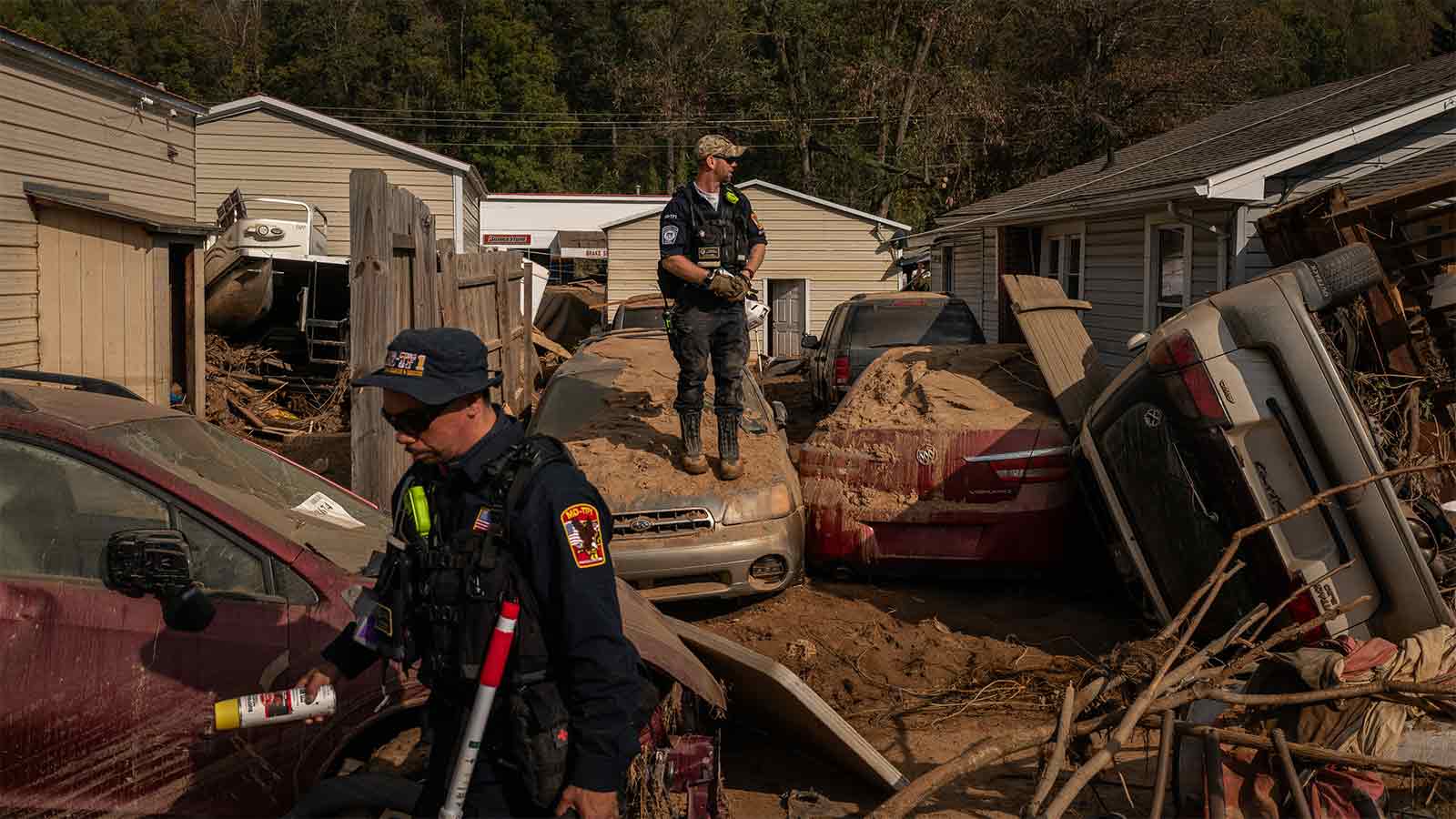
Maryland Governor Wes Moore has formally appealed the denial of a Major Disaster Declaration following catastrophic flooding in May that caused $33.7 million in damages. Initially rejected by FEMA on July 22, the state’s appeal comes after additional inspections revealed $17.9 million in previously unaccounted damages. “Maryland has met long-standing criteria for FEMA support,” Moore stated. “This appeal isn’t simply justified, it’s necessary.” His remarks underscore the urgency felt in Allegany and Garrett Counties, where communities are still reeling from the floods.
Local officials, including Westernport Mayor Judy Hamilton, have echoed these sentiments, urging FEMA to reconsider. The floods forced dramatic evacuations, including 150 children rescued by boat from a flooded elementary school. Without a federal disaster declaration, Maryland has been forced to dip into its State Disaster Recovery Fund, allocating $459,375 to impacted residents and $1 million for families in the hardest-hit counties. But as Allegany County Commission President David J. Caporale noted, “Without federal aid, essential systems will remain at risk. These are lifelines for public safety, commerce, and daily functioning.” WUSA9 highlighted the emotional toll and financial strain that continue to mount in these communities.
Wisconsin’s Push for Recognition
In Wisconsin, the aftermath of record-breaking rainfall on August 9-10 has left Milwaukee and surrounding areas in a state of disarray. The Milwaukee Common Council recently sent a formal request to President Donald Trump and FEMA, urging them to declare the event a natural disaster. The storm caused widespread flooding, turning neighborhoods into “disaster zones,” according to a letter co-authored by Alderwoman Marina Dimitrijevic and Alderman Mark Chambers, Jr. The letter emphasized the human suffering, describing families losing their homes, seniors isolated without power, and businesses facing irreversible losses.
Milwaukee County estimates $23 million in damages, with more than 17,000 damage reports filed so far. Local efforts, including free bulky item pickups for flood-damaged materials, have provided some relief, but officials argue it’s not enough. “Most homeowners don’t have flood insurance,” Dimitrijevic explained. “Standard policies exclude floods, leaving families to rely on depleted savings or limited aid.” U.S. Senator Tammy Baldwin and other Wisconsin representatives have joined the call for federal support, touring affected areas and amplifying community voices. Governor Tony Evers has requested FEMA conduct a damage assessment, a critical step toward securing a disaster declaration. Urban Milwaukee reported that FEMA officials are expected to visit southeastern Wisconsin soon to evaluate the situation.
The Broader Challenge for FEMA
These cases highlight a broader issue: the increasing frequency and intensity of natural disasters across the United States. FEMA’s resources and processes have come under scrutiny as states struggle to meet the agency’s stringent thresholds for aid. Both Maryland and Wisconsin have exceeded their respective damage thresholds, yet the path to federal assistance remains fraught with delays and denials.
In Milwaukee, the city’s Department of Public Works is documenting every expense related to cleanup and repair to strengthen its case for federal aid. Meanwhile, Maryland’s appeal is a critical test of FEMA’s flexibility in adapting to unprecedented disasters. Experts argue that climate change is exacerbating storm severity, making it imperative for federal agencies to evolve their criteria and response mechanisms.
What Lies Ahead
As FEMA reviews these appeals, the affected communities continue to grapple with recovery efforts. In Maryland, officials are hopeful that their detailed damage assessments and compelling human stories will sway FEMA’s decision. Similarly, Wisconsin is counting on the forthcoming FEMA evaluation to pave the way for much-needed federal funds. The stakes couldn’t be higher, as both states face mounting recovery costs and the prospect of long-term economic and social impacts.
As the nation confronts the realities of more frequent and severe natural disasters, FEMA’s response will be a litmus test for its ability to adapt and support vulnerable communities in their hour of need.
Image credites to Loren Elliott for The New York Times