


Increasing Risks of Indoor Lightning Strikes
Recent severe weather events in Florida have underscored the significant, yet often overlooked, dangers of lightning strikes occurring inside residential properties. As the state experiences intense storm activity, two separate incidents—one involving a large-scale apartment fire and another a personal injury case—have triggered renewed warnings from emergency management officials regarding indoor electrical safety.
On Thursday, August 20, at approximately 3 p.m., a lightning strike hit the Cobalt Apartments in Wesley Chapel. The resulting blaze developed into a three-alarm fire, rendering the structure uninhabitable and critically unstable. Pasco County Fire Rescue confirmed the cause as a lightning strike, leading to the evacuation of nearly 400 residents across 90 units. While no casualties were reported, the building is currently classified as a total loss. Local authorities, including Pasco County Emergency Management and the American Red Cross, are currently coordinating relief efforts for the displaced families.
The Danger of Conductive Connections
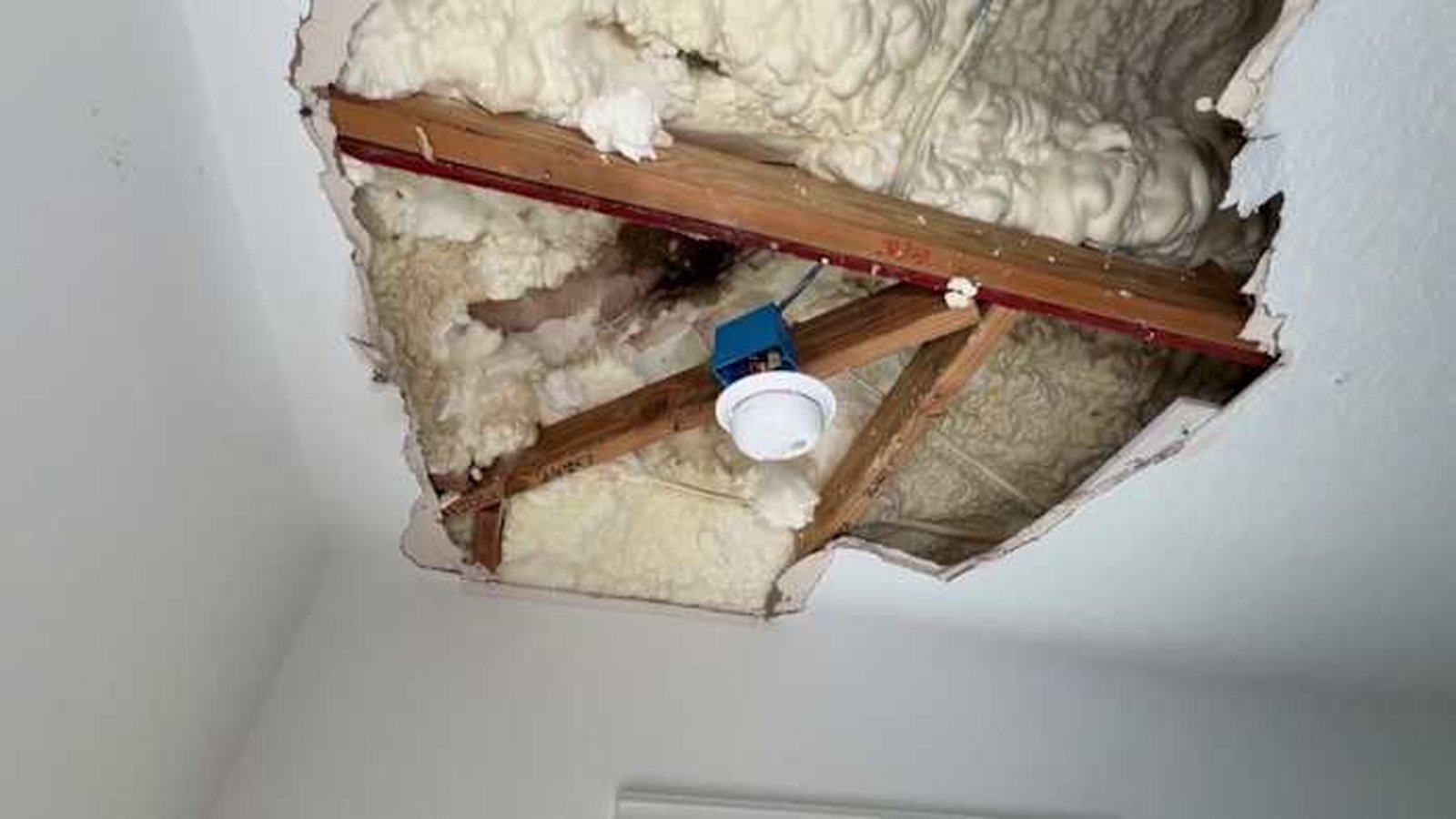
In a separate incident in Palm Coast, a mother and her infant daughter were struck by lightning while inside their home on July 26. Anastasia Gonzalez reported that the incident occurred while she was attempting to record a video of a storm on her mobile phone, which was plugged into a wall outlet. The surge caused by the strike threw both individuals backward and resulted in immediate emergency intervention. The incident highlights a critical safety directive from the National Weather Service, which explicitly warns residents against using corded electrical appliances or devices connected to wall outlets during active thunderstorms.
The family has since relocated to temporary housing while structural repairs are conducted. This event serves as a stark reminder that even within the perceived safety of a home, lightning can travel through electrical wiring, plumbing, and other conductive paths to affect occupants.
Safety and Operational Continuity
For property managers and residents alike, these events highlight the necessity of robust lightning protection systems and adherence to safety protocols. When storms intensify, safety experts emphasize that the most effective way to prevent injury is to avoid contact with any conductive materials, including landline telephones, computers, and appliances connected to the electrical grid. As the Florida storm season continues, officials remain focused on monitoring structural risks and ensuring that displaced residents receive necessary support, while urging the public to treat indoor lightning safety as a primary protective measure.