


The Dual Nature of Modern Air Displays
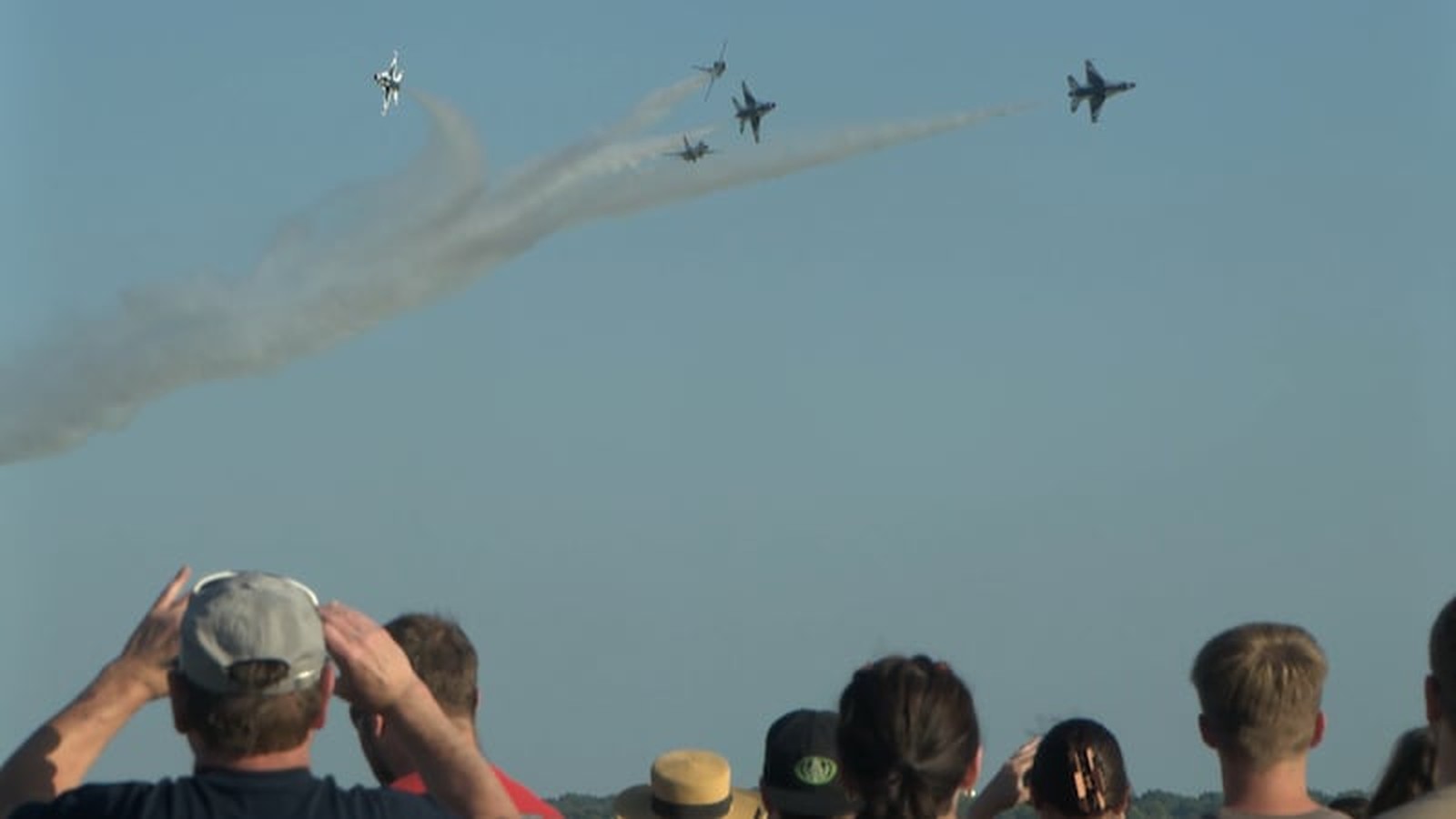
Air shows remain a cornerstone of public aviation engagement, drawing millions of spectators to regional airports and historic aerodromes annually. From the high-performance maneuvers of the U.S. Air Force Thunderbirds in Indiana to vintage warbird displays in the UK, these events serve as both entertainment and educational platforms. However, the industry is currently navigating a period of heightened scrutiny regarding the safety of both performers and the public.
Recent incidents, including a crash involving a de Havilland DH.88 Comet in Bedfordshire and a separate incident at the Stow Maries Great War Aerodrome, have reignited the debate over the risks inherent in flying historic aircraft. These events serve as a sobering reminder of the volatility of aviation displays, even under professional supervision.
The Regulatory Framework
In the UK, the regulatory environment for air displays underwent a fundamental transformation following the 2015 Shoreham Airshow disaster. The Civil Aviation Authority (CAA) introduced 29 key improvements, establishing a blueprint for modern safety protocols. Current standards require meticulous planning, often spanning a full year, involving accredited display directors and rigorous crowd management strategies.
Dave Walton, flying display director for the Clacton Airshow, emphasizes that safety planning now extends beyond the flight line. Modern protocols focus on spectator placement, environmental factors, and the integration of modern navigation and safety systems into vintage airframes. “These aircraft are vintage, but they are fitted with modern systems,” Walton noted, highlighting the industry’s commitment to preserving aviation history while mitigating operational risks.
Human Capital and Inspiration
Beyond technical safety, air shows serve as a vital recruitment tool for the next generation of aviators. At the Wings Over Muskegon Air Show, retired U.S. Marine Corps Lieutenant General Robert Schmidle showcased his expertise in a high-performance Pitts Special. With over 4,700 hours in tactical fighter aircraft, Schmidle’s presence is designed to inspire young people to consider aviation careers.
This educational aspect is a recurring theme at regional shows like Terre Haute, where headlining military teams interact with the public. For many attendees, the visual spectacle—ranging from pyrotechnic displays to close-formation flying—is their first point of contact with the aerospace industry, underscoring the importance of maintaining events that are both safe and awe-inspiring.
Looking Ahead
As investigators continue to analyze recent crashes, the industry faces the challenge of maintaining public trust. The voluntary withdrawal of teams, such as the Turbulent Team following the Stow Maries incident, demonstrates an industry-wide recognition that safety must remain the primary priority. Moving forward, organizers are expected to continue tightening protocols, ensuring that the legacy of aviation can be safely celebrated for years to come.