


The 2025 flu season has arrived with force, and Influenza A is taking center stage in global health headlines. With fresh data from the Centers for Disease Control and Prevention (CDC), the UK Health Security Agency (UKHSA), and the National Health Service (NHS), it’s clear that understanding the symptoms—and acting quickly—matters more than ever.
Across Louisiana, recent CDC reports show a surge in flu activity, with over 3,500 cases logged in just one week, putting the state among the top three for “very high” flu activity. Nationwide, cases are up nearly 15%, and Influenza A is the most frequently reported strain (Unfiltered with Kiran). This echoes trends in the UK, where health officials note a cooling phase in H3N2 symptoms but warn that New Year gatherings could spark a new wave of illness (Meyka). With similar patterns in Canada and other northern regions, the risk of renewed transmission is real—and prevention is crucial.
What are the symptoms of Flu A?
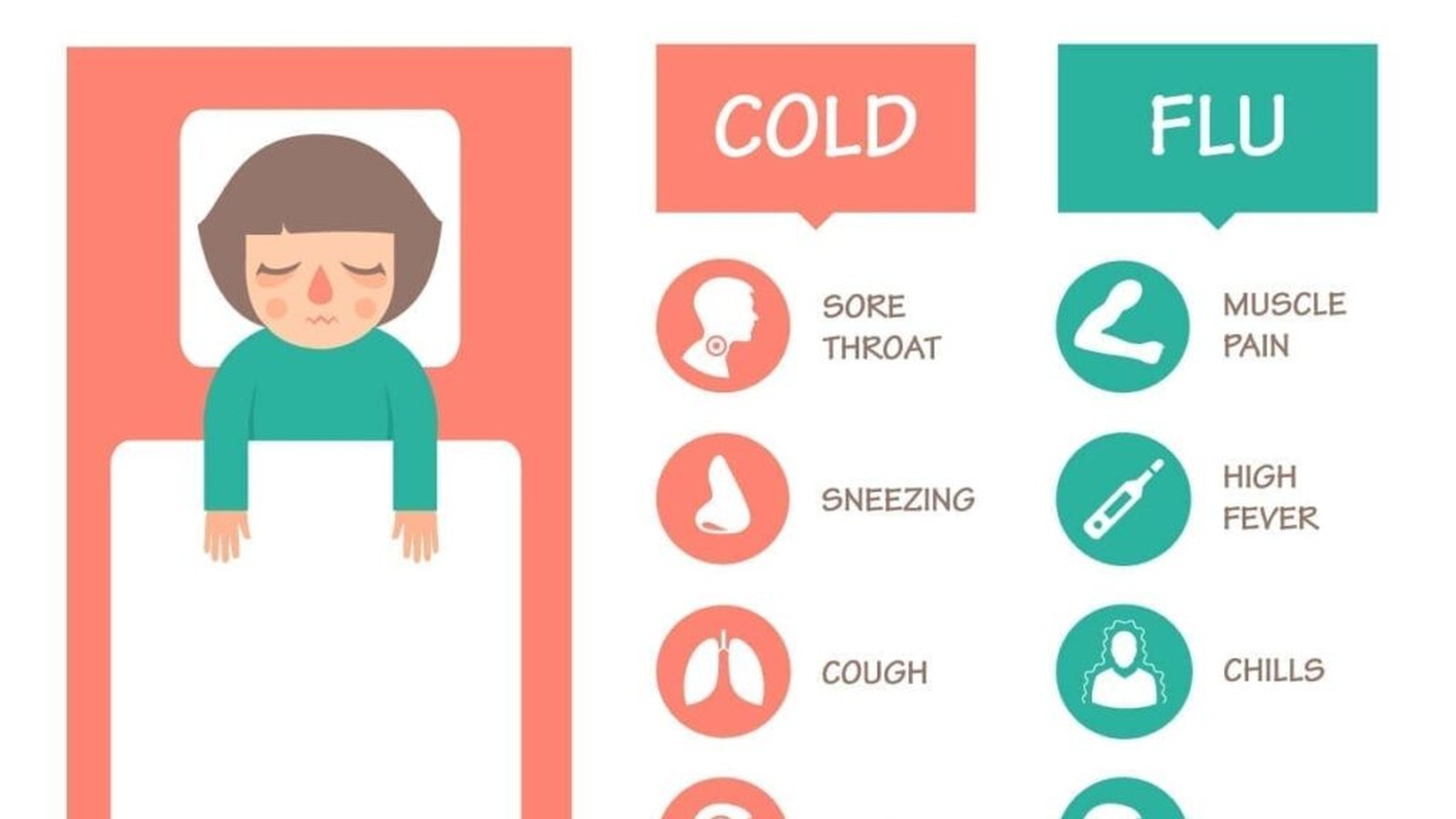
Flu A symptoms often appear suddenly, sometimes within 24 to 48 hours after exposure. According to the NHS (Express), the most common signs include:
- A sudden high temperature (fever)
- An aching body
- Feeling tired or exhausted
- A dry cough
- A sore throat
- Headache
- Difficulty sleeping
- Loss of appetite
- Diarrhea or tummy pain
- Feeling sick and being sick
Many people also report chills, chest discomfort, and muscle pain. For children, ear pain and decreased activity may be present.
The stages of Flu A
Understanding the flu’s timeline helps you manage both your health and your schedule. Typically, the illness progresses from an incubation period (often 1-4 days) to abrupt onset of symptoms. Peak illness lasts two to three days, with intense fever, cough, and body aches. Recovery follows gradually, but fatigue can linger for a week or longer. This lingering tiredness is more than just feeling ‘wiped out’—it can affect work, school, and daily life. Managers and families should plan for at least five to seven days of rest and isolation to prevent spreading the virus further (Meyka).
When to seek help?
Most flu cases resolve on their own, but it’s important to monitor for signs of complications. Seek medical care if you experience difficulty breathing, dehydration, persistent high fever, or if symptoms worsen after a few days. Vulnerable groups—including older adults, children, and those with chronic illnesses—should contact healthcare providers early if flu symptoms appear.
How to recover quickly: NHS advice
The NHS recommends four simple steps to speed up recovery from flu:
- Rest and sleep
- Keep warm
- Take paracetamol or ibuprofen to lower your temperature and treat aches and pains
- Drink plenty of water to avoid dehydration
These steps help your body fight off the virus and reduce the risk of complications. If your symptoms are severe or you’re not improving, pharmacists can provide advice, and you should consider calling NHS 111 or seeking online support.
Prevention: Your best defense
Flu spreads rapidly in crowded spaces, and simple precautions can make a big difference:
- Wash your hands often with warm water and soap
- Cover your mouth and nose with a tissue when you cough or sneeze
- Stay at home and avoid close contact with others if you have a high temperature or feel unwell
- Get vaccinated if you’re eligible
This year’s flu vaccine targets several variants of Influenza A and B, designed to match the most dangerous circulating strains. While some mutations—such as H2N2—may reduce vaccine strength, experts like Dr. Rubin Patel urge everyone to get vaccinated, as it still offers significant protection and helps reduce the overall burden on healthcare systems.
Flu A and the workplace: Planning for impact
Employers and business owners face their own challenges during peak flu season. High absenteeism can disrupt operations, especially in retail, food service, childcare, and transport. Meyka’s analysis suggests that staggered shifts, cross-training, clear sick-leave rules, and remote work options help stabilize weekly schedules during flu spikes. Transparent updates to customers and flexible service windows preserve trust and limit revenue volatility if a January rebound hits.
For those managing teams, allow at least one to two days symptom-free before staff return to work, reducing relapse and secondary transmission. Early reporting of symptoms and rapid testing can shorten outbreaks, while promoting vaccination and mask use during spikes protects vulnerable workers.
Looking ahead: The importance of vigilance
While UKHSA and CDC data show a temporary decline in flu cases, the risk remains—especially as social mixing increases during holidays and cold weather drives more people indoors. Staying informed, acting early, and following basic hygiene and isolation guidelines are the keys to keeping yourself, your family, and your workplace healthy.
Based on the latest reports from CDC, NHS, and Meyka, the story of Flu A this season is one of fast-moving symptoms, unpredictable rebounds, and the critical importance of both personal and community-level action. The facts show that timely response, clear communication, and preventive measures—especially vaccination—are the most effective ways to weather the flu season and protect those most at risk.