


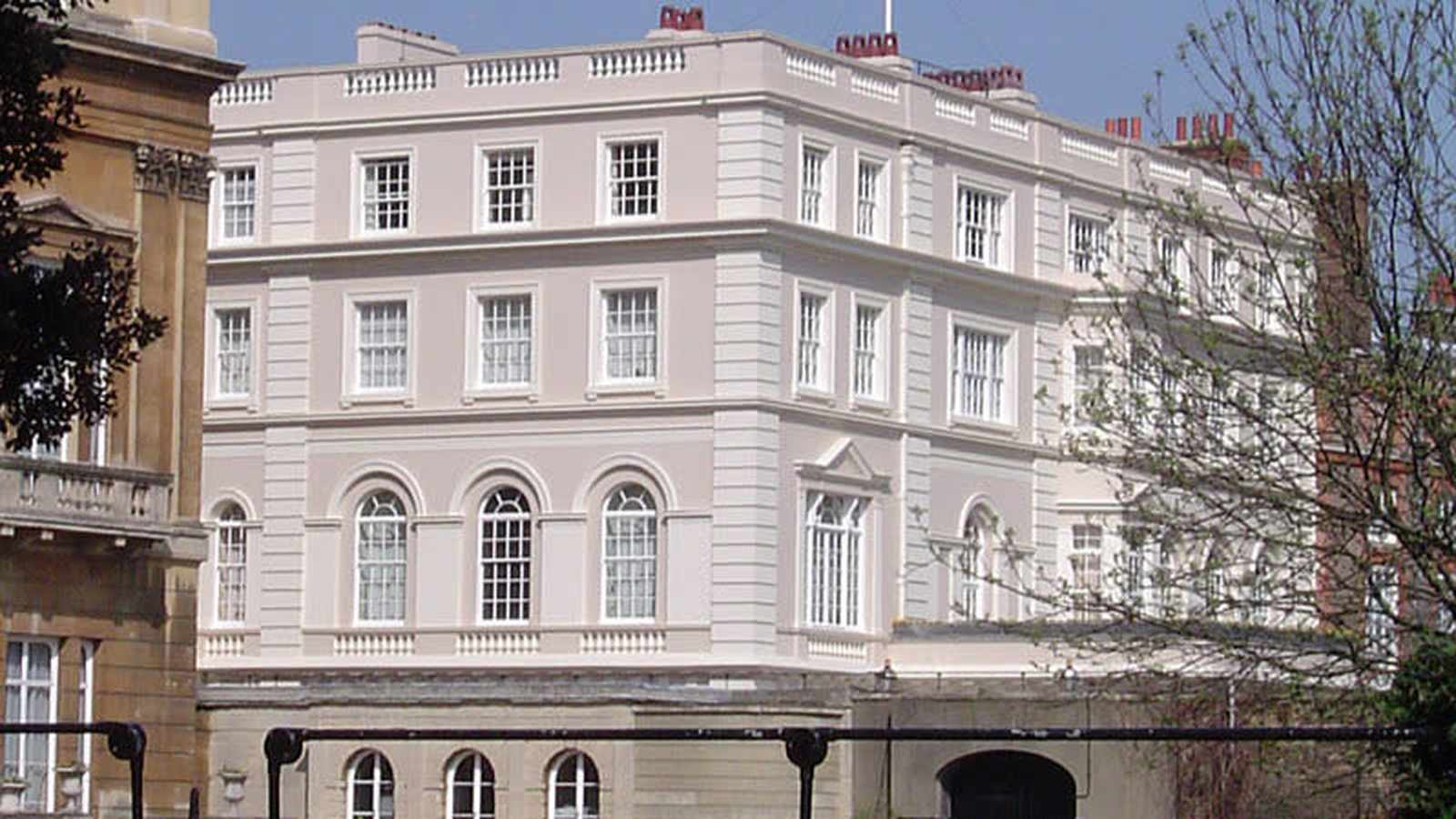
A Permanent Home at Clarence House
While Buckingham Palace undergoes a $463 million renovation, King Charles III has solidified his long-term preference for Clarence House, his home since 2003. Despite its $72 million valuation and historical significance, the residence—once described as “loathsome” by the Queen Mother—has become the epicenter of the modern monarchy’s private life. Recent reporting confirms that the King has no intention of relocating to the official palace, choosing instead to maintain the intimacy of his current townhouse.
The Intersection of Duty and Estrangement
The King’s domestic stability stands in contrast to the persistent public speculation regarding his relationship with the Duke and Duchess of Sussex. Despite the ongoing rift, observers noted a poignant detail during a December 2025 event at Clarence House: a framed photograph of the King walking Meghan Markle down the aisle remains on display. This silent gesture has prompted widespread analysis regarding the potential for future reconciliation, even as financial and logistical negotiations between the King and his son remain subjects of intense media conjecture.
Analysis: The Burden of Modern Monarchy
The tension between the King’s public state duties—exemplified by his recent, successful diplomatic visit to the United States—and his private family challenges represents the defining struggle of his reign. Unlike his predecessors, King Charles must balance the institutional requirements of the British monarchy with a media landscape that demands constant transparency regarding his private family affairs. The contrast between his role as a unifying national figure and the unresolved estrangement with Prince Harry suggests that the “royal brand” is increasingly defined by how it manages these internal fractures rather than just ceremonial performance.