


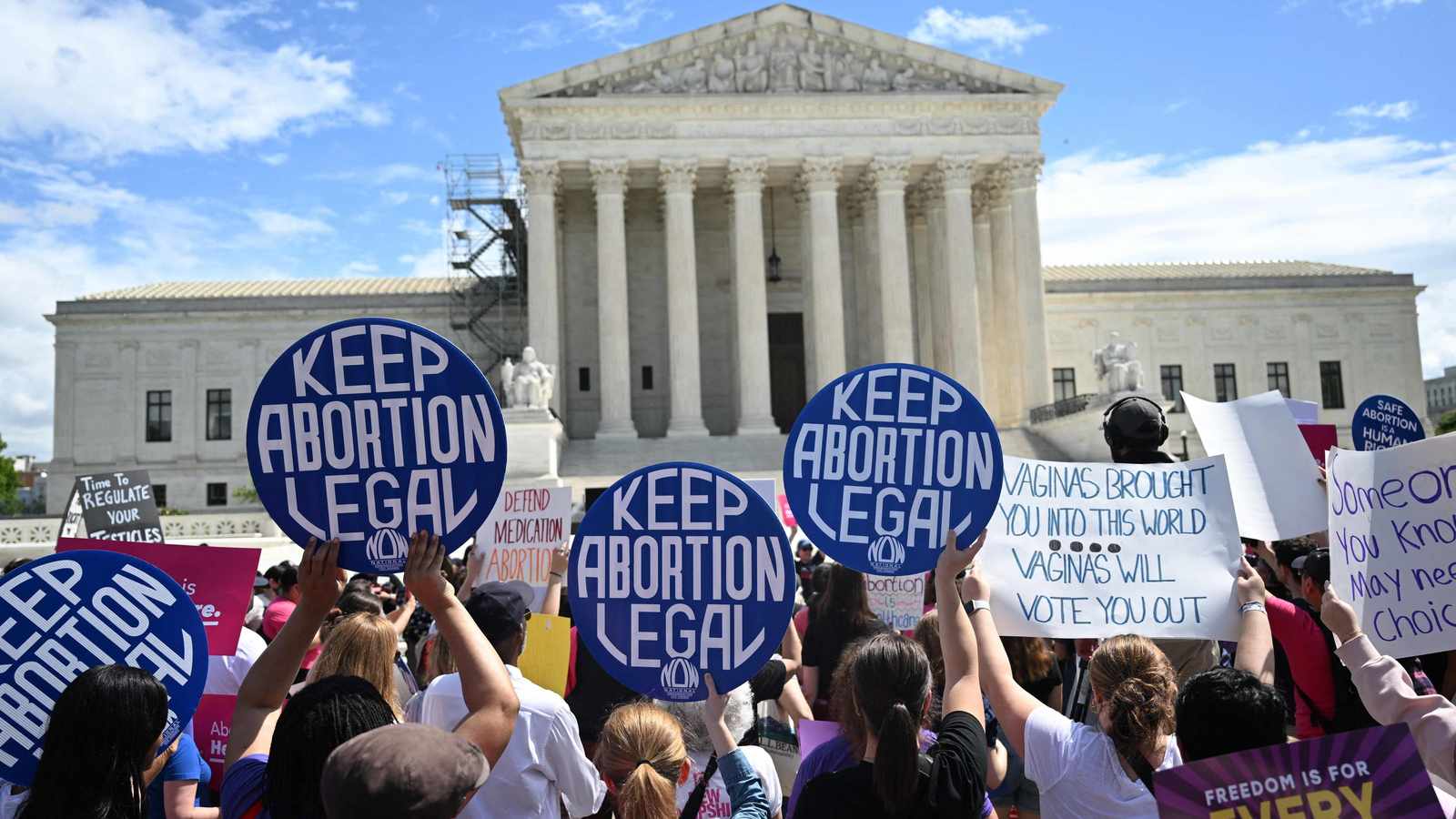
The State of Reproductive Access
Four years after the U.S. Supreme Court decision to overturn Roe v. Wade, the American landscape for reproductive healthcare remains in flux. According to data from the Pew Research Center, 60% of U.S. adults believe abortion should be legal in all or most cases, a sentiment that continues to drive intense legislative and electoral action across the country.
As states move to either restrict or codify access, interstate dynamics have shifted significantly. In 2022, approximately 16.5% of clinical abortions were performed on patients traveling from outside their home state, an increase from 10.9% the previous year. Organizations like the Blue Ridge Abortion Fund report that rising travel costs and restrictive regional bans have created a ripple effect, with advocates noting that “abortion bans, anywhere, impact access everywhere.”
Legislative Response and Political Stakes
State-level responses have become a primary battleground. Virginia Governor Abigail Spanberger recently joined the Reproductive Freedom Alliance, a coalition of governors working to preserve access to reproductive medications like mifepristone. Simultaneously, Spanberger signed the Right-To-Contraception Act and the Contraception Equity Act into law, aiming to fortify family planning access ahead of a statewide constitutional referendum.
The political fallout continues to impact federal figures as well. Sen. Susan Collins (R-Maine) recently addressed her 2018 vote to confirm Justice Brett Kavanaugh, stating she does not regret the decision based on his qualifications but remains “disappointed” in his vote to overturn the constitutional right to abortion.
Analysis: A System Under Strain
The institutional impact of the 2022 ruling is quantifiable. While surgical abortions have declined, medication abortions now account for the majority of procedures—58% according to 2022 CDC data. However, the closure of clinics—dropping from 807 in 2020 to 753 by late 2025—suggests a contraction in traditional infrastructure. The reliance on medication abortion outside of clinical settings, as noted by the JAMA, highlights a move toward decentralized reproductive care in response to state-level legal barriers. The tension between state-level bans and the increasing necessity of interstate travel indicates that the debate is moving from a singular constitutional question to a fragmented, state-by-state logistical and legal struggle.