


Market Reaction to Geopolitical Instability
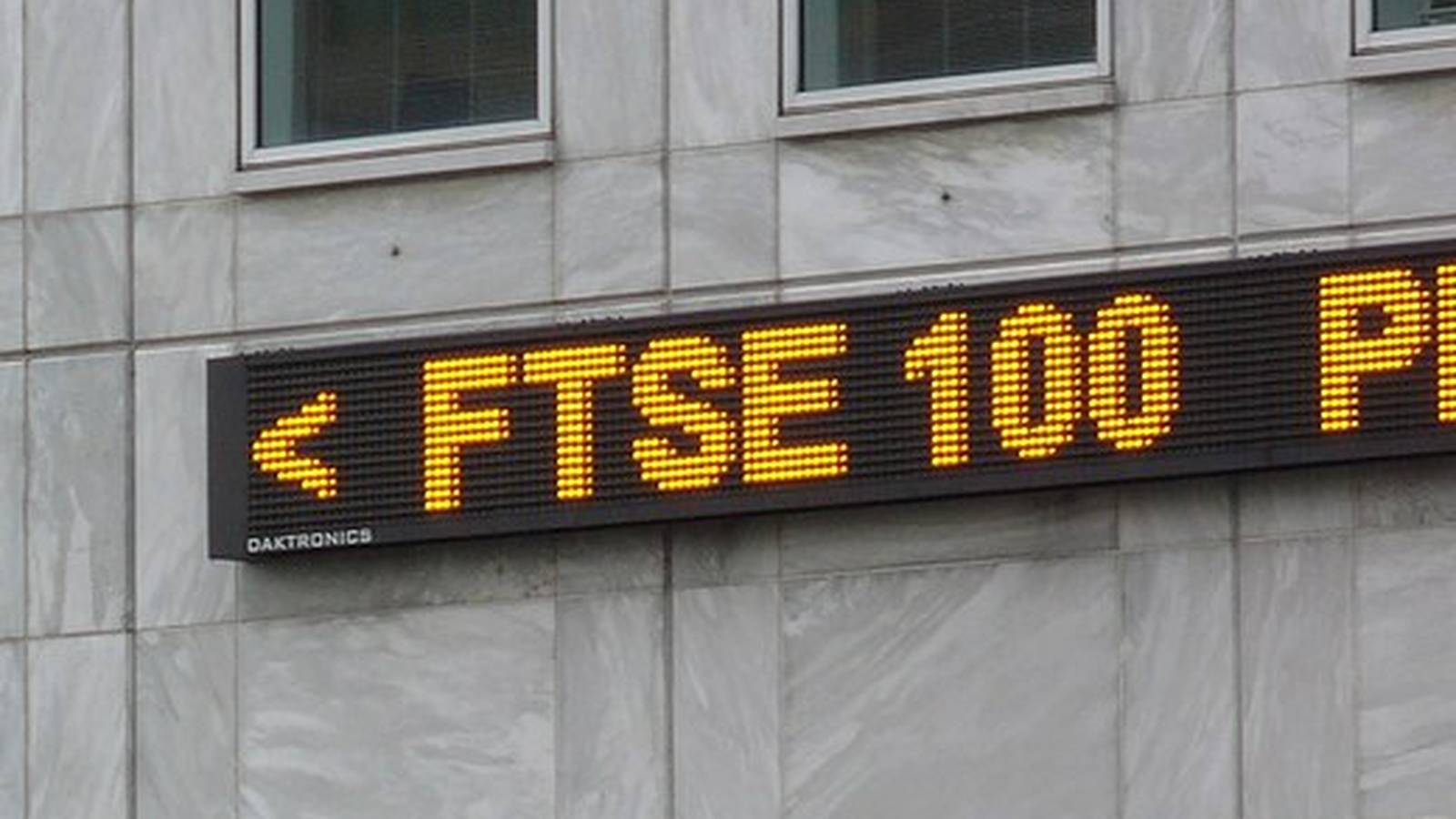
London’s stock market opened in negative territory on Monday, with the FTSE 100 index dropping 64.23 points—a 0.6% decline—to reach 10,536.14. The downturn follows a significant escalation in hostilities between the United States and Iran, which has rattled investor confidence and triggered a flight to safety in certain sectors.
Reports from the Middle East indicate that US military strikes have impacted sites in the Iranian port city of Bushehr. Simultaneously, the UK Maritime Trade Operations Centre reported a fire on a vessel in the Strait of Hormuz, an area where Iran’s Revolutionary Guard has claimed to be targeting tankers. This volatility has pushed Brent oil prices up to USD 88.80 per barrel, providing a rare lift for energy majors like BP and Shell, which saw gains of 0.9% and 0.4% respectively.
Political Transition and Investor Uncertainty
The market decline coincides with a high-stakes transition at 10 Downing Street. Prime Minister Andy Burnham, who secured his position following the Makerfield by-election, is entering his first full week in office. While allies suggest he intends to prioritize “breathing room” for citizens regarding the cost of living, investors remain cautious due to the lack of a detailed policy agenda. Without a formal leadership contest to vet his economic platform, the financial sector is currently operating in a “nervy” state, waiting for tangible policy signals.
Sector Performance and Corporate Developments
Beyond the geopolitical impact, corporate activity has heavily influenced trading. Segro was the index’s worst performer, falling 2.1% after rejecting a third takeover bid from the San Francisco-based logistics giant ProLogis, which valued the UK firm at approximately GBP 13.5 billion. Meanwhile, the broader banking sector faced selling pressure, with HSBC, Lloyds Banking, Barclays, NatWest, and Standard Chartered all recording losses between 0.4% and 0.8%.
Conversely, Computacenter emerged as a rare bright spot on the FTSE 100, rising 3.5% after receiving a “buy” rating upgrade from Berenberg, which set a price target of 5,300 pence. As the week progresses, traders are looking toward international economic data, including eurozone construction output and Canadian consumer price index inflation, for further guidance on global market trends.