


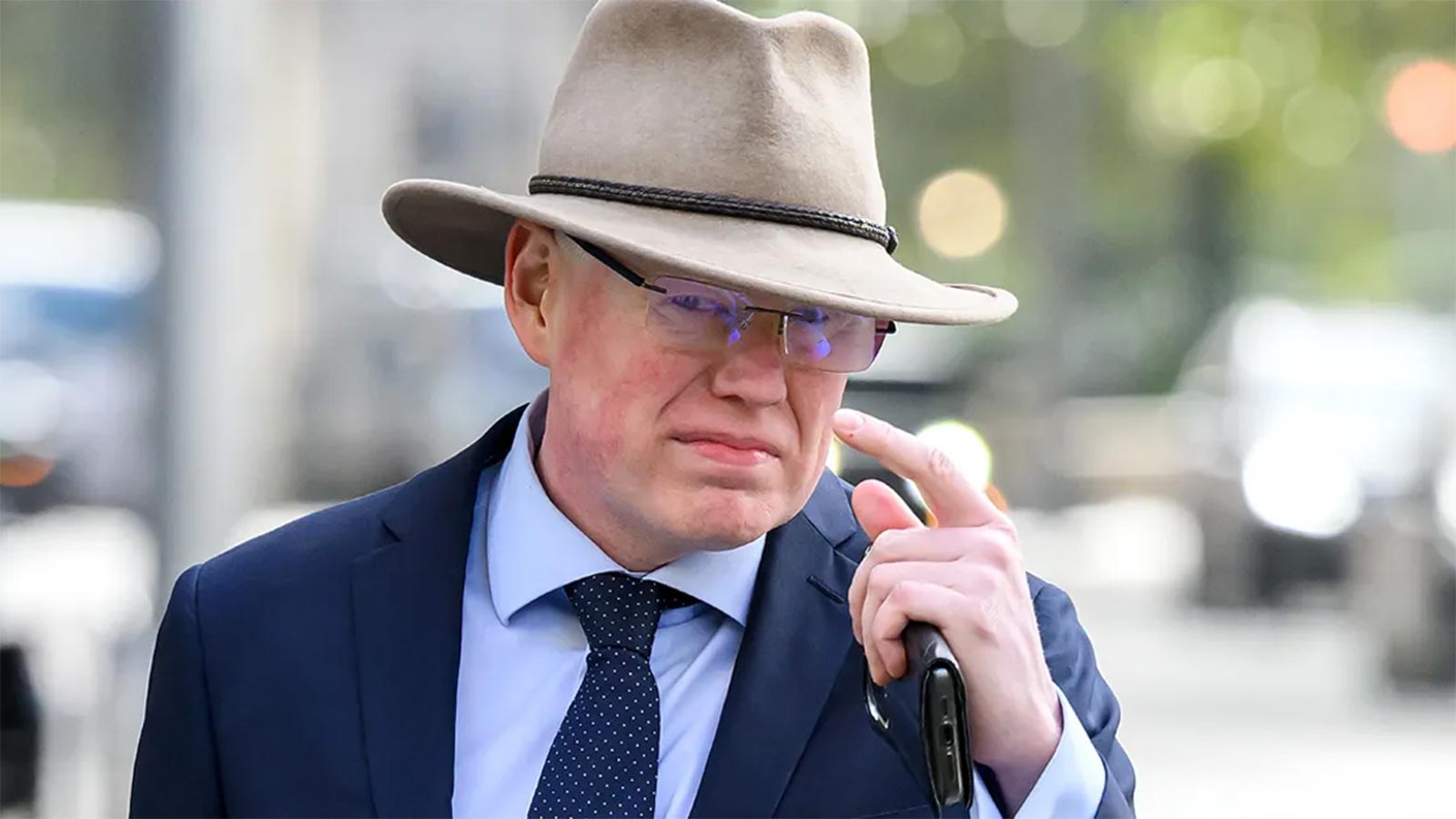
Gareth Ward Sentenced: The End of a Political Career
On October 31, 2025, Gareth Ward, a former New South Wales Liberal minister and independent MP for Kiama, was sentenced to five years and nine months in prison for sexually abusing two young men. The ruling, delivered by Judge Kara Shead in the Parramatta District Court, marks a significant and public reckoning for a man once seen as a rising figure in Australian politics.
Ward, aged 44, appeared via audiovisual link from a Hunter correctional facility as his sentence was handed down. He was convicted in July on charges including sexual intercourse without consent and three counts of indecent assault, relating to incidents involving a 24-year-old political staffer in 2015 and an 18-year-old man in 2013. Both victims watched the proceedings remotely, bearing witness to the conclusion of a lengthy legal process.
Victims’ Courage and the Weight of Testimony
Judge Shead commended the victims for their bravery in coming forward, especially given the public profile of their abuser. She highlighted the challenges victims face when the perpetrator holds power and influence, noting that such cases often carry a risk of silence and isolation for those affected.
One of the most poignant moments came as Judge Shead discussed the younger victim’s experience. Ward had supplied him with alcohol and encouraged drinking, setting the stage for the assault. The victim’s reaction—freezing during the ordeal—was described by the judge as both credible and commonly misunderstood. “It is a misconception that there is a typical way for a victim to respond in such circumstances,” Judge Shead said, emphasizing that many believe victims should physically resist or cry out. “That is still a widely held misconception.” She affirmed that the victim’s account was “coherent and cogent,” and that his response was reliable given the circumstances: “He was an 18-year-old youth in the company of a much older, respected and socially powerful man.”
In the case of the older victim, the judge found Ward’s actions particularly egregious, saying the offender “deliberately and callously inflicted the sexual assault” and continued despite knowing the victim was suffering. “The offender acted in a callous and predatory manner,” she stated, assigning high moral culpability to Ward’s conduct.
The Impact: Lives Shattered and Reclaimed
The court heard powerful impact statements from both victims, illustrating the profound and lasting effects of the abuse. The younger victim’s statement served as a “reminder to the court of the devastating effects” of the offending, while the older victim spoke of feeling “broken and lonely,” struggling to reconcile feelings of love and intimacy after the assault. Judge Shead observed that such enduring trauma is “regrettably typical” for survivors of serious sexual offenses, with influence and power often deepening the sense of betrayal and isolation.
Judge Shead expressed hope that, through giving evidence, the victims might begin to reclaim what was taken from them. Her remarks underscored the immense courage required to come forward, particularly when the accused is a public figure.
Consequences Beyond the Courtroom
Ward’s defense argued that the loss of his political career and future legal prospects amounted to additional punishment. Judge Shead dismissed this, stating that such consequences were “inevitable” given the nature of his crimes. Media coverage, which the defense suggested was designed to humiliate Ward, was also addressed. The judge rejected the notion that reporting should mitigate the sentence, explaining, “Notorious crimes … will inevitably attract a level of media scrutiny. The reporting of such matters is important to facilitate the public’s awareness of such crimes, such that it is apparent that influential citizens will be dealt with in the same way as any other person accused of such crimes.”
Ward’s concerns about his safety and wellbeing in custody were acknowledged, particularly due to his status and his medical condition—oculocutaneous albinism—which the judge said made his fears for personal safety “more acute.” These considerations influenced the structure of the sentence but did not reduce its severity.
The sentencing was delayed to allow for further legal arguments, including debate over whether Ward should be sentenced under laws current at the time of the offenses or those in effect now. Ultimately, Ward received a non-parole period of three years and nine months. His legal team has indicated an intention to appeal the convictions, setting the stage for further legal proceedings.
Accountability, Public Scrutiny, and Justice
Ward’s sentencing comes amid other high-profile cases in Australia and internationally, where the fall of influential figures has sparked broader conversations about justice, accountability, and the courage of survivors. As ABC News and The Guardian both reported, the scale of media attention was not unexpected, nor was it deemed unjust. Instead, the coverage was seen as a necessary function of public awareness, reinforcing the principle that no one is above the law.
Judge Shead’s remarks pointed to the public significance of the case: “The courage and strength for the victim to come forward, particularly where the complaint relates to a public figure, is immense and should not be underestimated.” The case also demonstrates the persistent challenges survivors face in seeking justice, especially when confronting those with power and influence.
What Comes Next?
With Ward’s conviction and sentencing, the chapter closes on his political career. The case stands as a stark reminder of the consequences of abuse of power, and the resilience of survivors who choose to speak out. While Ward intends to appeal, the court’s decision sends a clear message about the seriousness with which such offenses are treated.
As the legal process continues, the impact on the victims—and on public perceptions of accountability—will remain in focus. The courage shown in this case may well inspire others to come forward, pushing society further toward transparency and justice for all, regardless of status.
This case underscores that public figures, regardless of influence, are subject to the same standards of justice. The victims’ courage not only enabled accountability, but also challenged enduring misconceptions about survivor responses and the impact of trauma. Ward’s conviction is a significant moment for public trust, reminding society that transparency and justice must prevail over power and reputation.