


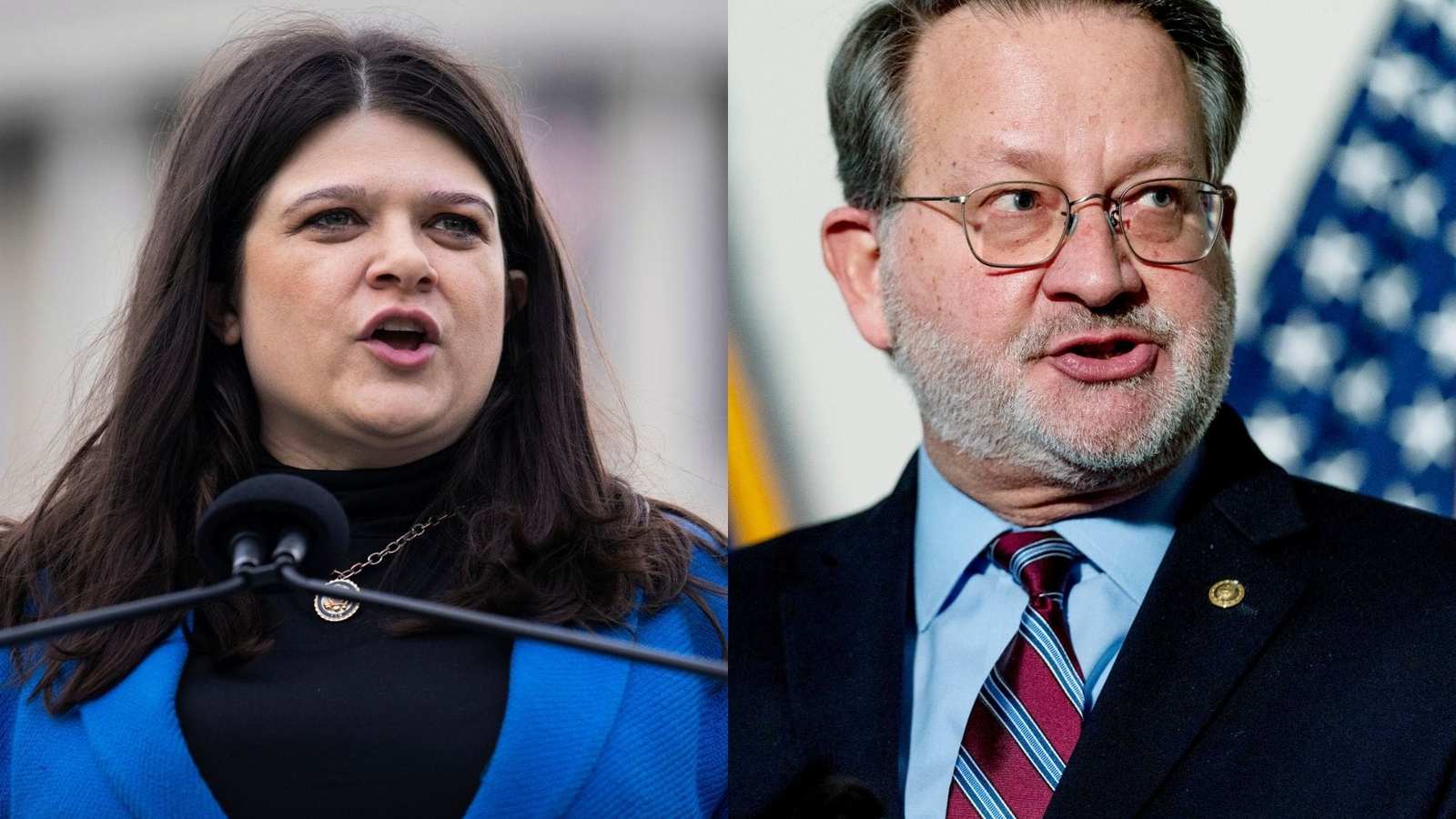
A Strategic Shift in the Democratic Primary
Outgoing U.S. Senator Gary Peters (D-MI) announced his endorsement of Representative Haley Stevens on Monday, marking a significant reversal from his previously stated intent to remain neutral in the Michigan Democratic Senate primary. The endorsement comes less than three weeks before the August 4 primary, signaling an intensified effort by the Democratic establishment to consolidate support around Stevens as she faces a competitive challenge from progressive candidate Abdul El-Sayed.
Peters, who is retiring after two terms, described Stevens as a “proven commodity” capable of winning in a critical battleground state. The decision to weigh in reflects growing institutional anxiety regarding the party’s prospects of holding the seat, which is viewed as vital to reclaiming a Senate majority. “We need workhorses in the Senate, and we need someone who can do that job from day one,” Peters stated during his announcement.
The Stakes of the Contest
The race has become a flashpoint for the ideological divide within the Democratic Party. While Stevens has secured the backing of establishment figures including former Senator Debbie Stabenow and Senate Majority Leader Chuck Schumer, El-Sayed has garnered support from prominent progressives like Senator Bernie Sanders and Representative Alexandria Ocasio-Cortez. El-Sayed, who has never held elected office, frames the contest as a battle between “corporate power” and “worker power,” frequently criticizing Stevens for her alignment with mainstream party donors.
Financial disclosures underscore the intensity of the campaign. According to federal filings, outside spending in the race has already topped $41 million. AIPAC-affiliated groups, including the United Democracy Project, have directed nearly $15 million toward the contest, largely to support Stevens and oppose El-Sayed. This flood of external funding has become a central point of contention in recent debates, with El-Sayed accusing Stevens of being backed by establishment interests.
Analysis: A Test of Party Direction
Peters’ intervention is more than a simple endorsement; it is a calculated attempt to mitigate the risks associated with a potentially divisive primary. The Senator explicitly voiced his concern regarding the tone of the campaign, noting that aggressive personal attacks between fellow Democrats are “not helpful to what we have to do in the fall.” His pivot suggests that party leaders fear that a protracted, bitter primary could weaken the eventual nominee ahead of the general election against Republican Mike Rogers.
The strategic stakes are heightened by recent electoral volatility elsewhere in the country, such as the Democratic primary turmoil in Maine. By stepping off the sidelines, Peters is leveraging his “common sense” brand of politics to stabilize Stevens’ campaign. However, this move also risks alienating the progressive wing of the party, which views the endorsement as proof that the establishment is attempting to force its preferred candidate upon voters. As the August 4 primary approaches, the effectiveness of this establishment push will serve as a bellwether for whether the Democratic Party can successfully reconcile its internal ideological factions to defend its Senate majority.