


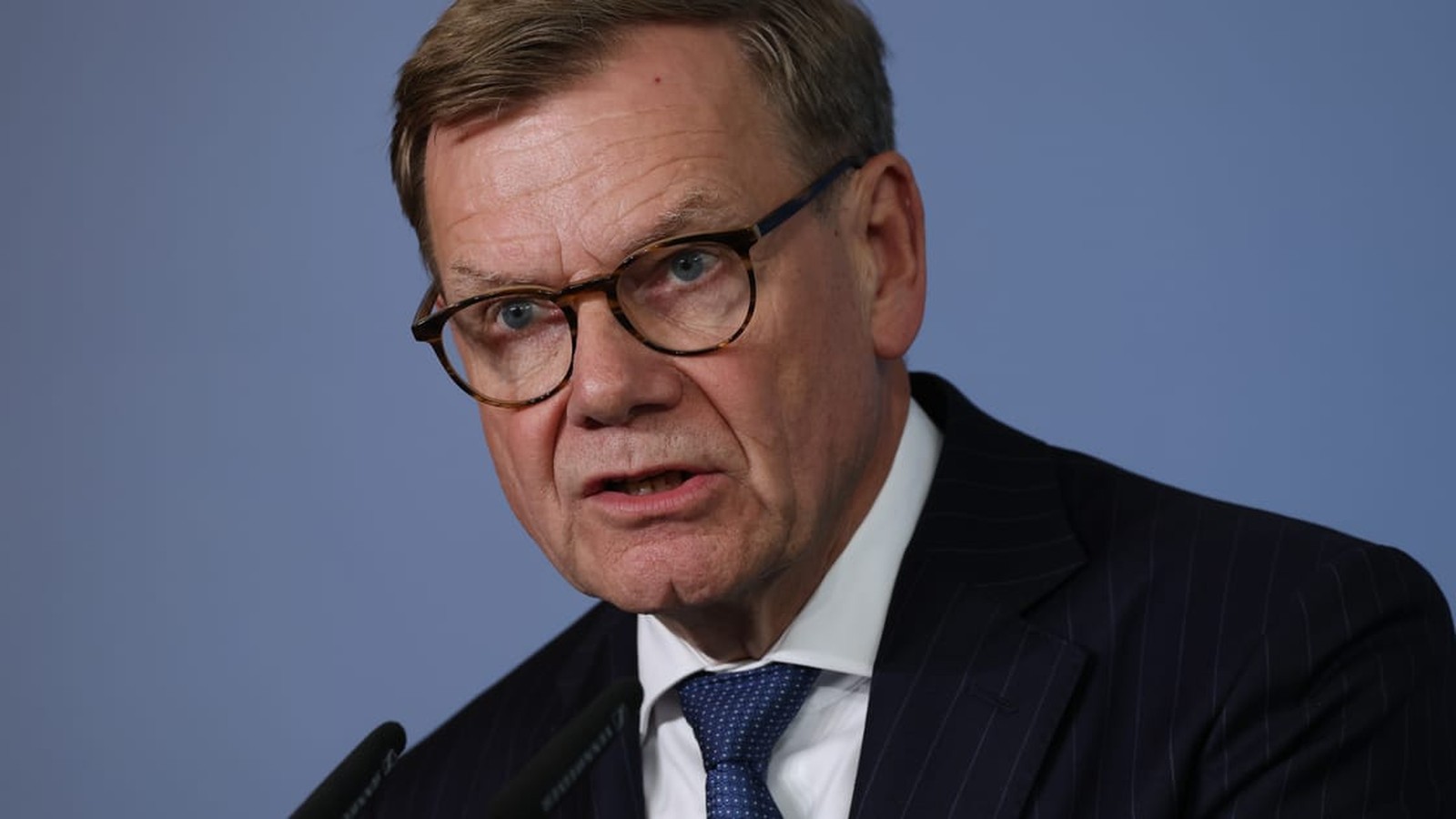
The high-stakes encounter took place at Wadephul’s request as diplomatic tensions flared further between Berlin and Moscow. Relations have soured in recent weeks following an attempted drone attack last month at Leipzig airport—an incident that Germany has directly blamed on Russia—prompting a series of tit-for-tat diplomatic responses.
Clashing Positions and UN General Assembly Speeches
Speaking to German public television ZDF after the closed-door conversation, Wadephul described it as an “intense conversation” and noted that the two sides “did not reach agreement on key points,” according to Politico Europe. A German delegation official confirmed that Wadephul warned Moscow to abandon its “dangerous path of escalation” toward Germany, Europe, and the wider NATO alliance, while also expressing openness to a better relationship conditioned on a genuine willingness from Russia’s leadership to end the war in Ukraine.
Lavrov was dismissive of the initiative during his subsequent address to the U.N. General Assembly and in comments reported by The Hour. The Russian foreign minister rejected the German warnings and instead accused Berlin of acting as Ukraine’s primary sponsor and seeking to become a dominant military power in Europe. “Does Berlin understand what this could lead to?” Lavrov asked world leaders from the podium, invoking historical grievances by adding, “Didn’t they not learn the lessons of World War II?”
Lavrov later told reporters that “nothing new came from that initiative of the foreign minister,” characterizing Wadephul’s approach as a mere reiteration of official public positions condemning Moscow.
Security Council Opposition and Wider Diplomatic Fault Lines
The friction extended beyond European security to the institutional architecture of the United Nations itself. Lavrov used his UN platform to criticize the militarization of Japan and made it clear that Moscow would veto any attempt by Germany and Japan to secure permanent seats on the UN Security Council. The United States has long supported permanent council seats for Germany, Japan, and India, setting up a continuing diplomatic battle over global governance reforms.
During his broader denunciations of Western policy, Lavrov claimed that the United States had destroyed the European security architecture and established a hostile regime in Kyiv. He also reiterated Moscow’s stance that a settlement framework for the Ukraine war was reached during the August 2025 meeting in Alaska between U.S. President Donald Trump and Russian President Vladimir Putin, stating that Russia remains ready to return to that arrangement.
Meanwhile, Ukrainian President Volodymyr Zelenskyy continued his diplomatic outreach, pressing international partners during and after the assembly to further restrict Russian financial revenues and address ongoing aerial bombardments. Ukrainian and Russian authorities reported continuing casualties from weekend missile and drone strikes as front-line positions remain largely deadlocked.
Next Steps in International Diplomacy
As UN delegates depart New York, diplomatic attention shifts toward potential follow-up mechanisms. Ukrainian officials have indicated that Washington is pushing for three-way technical talks involving delegations from the U.S., Ukraine, and Russia, though Kyiv awaits a formal proposed date from the United States. Concurrently, western lawmakers and executives navigate the implementation timelines of newly passed sanctions packages aimed at restricting Moscow’s war economy.