


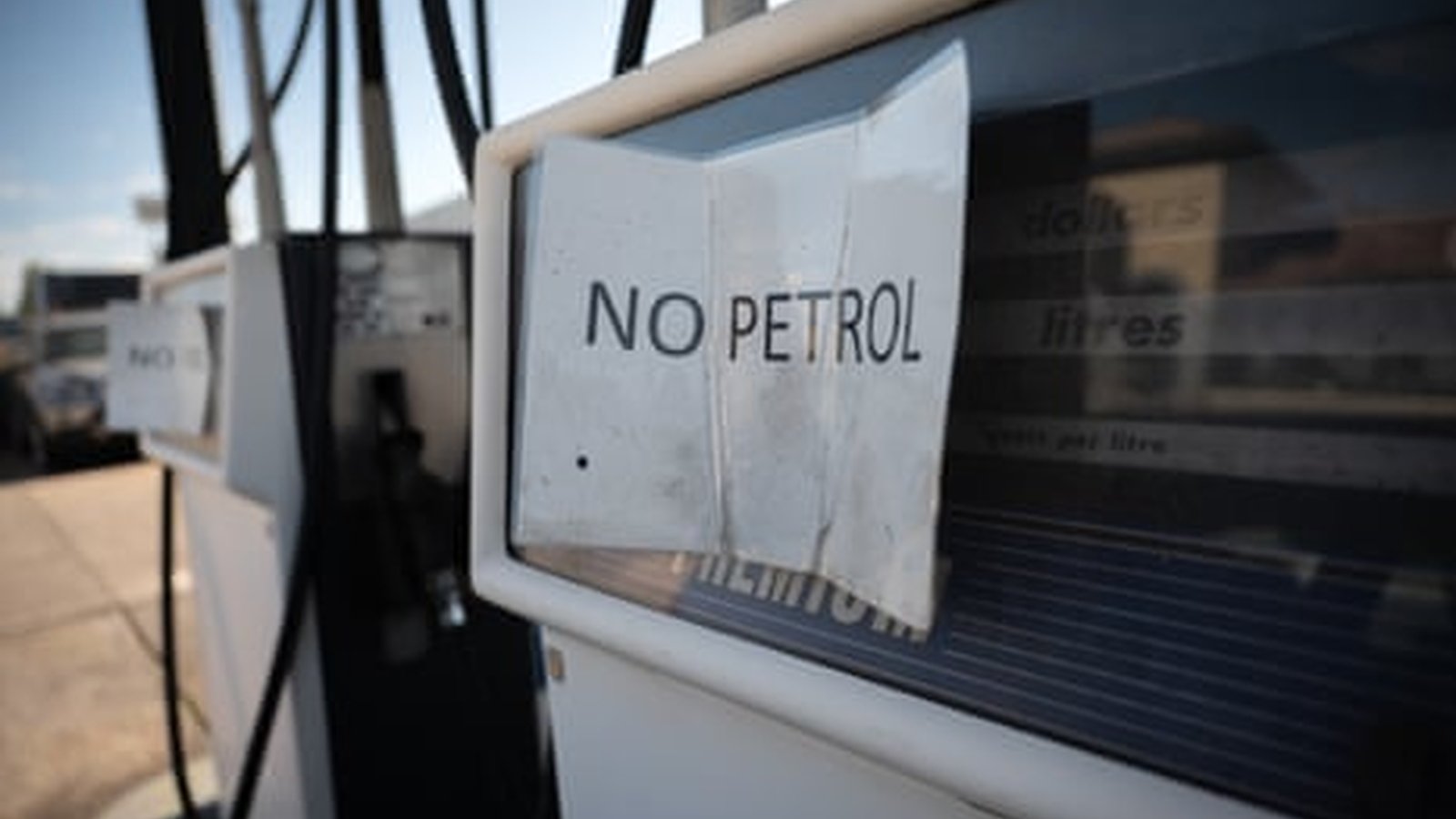
Global markets are grappling with a persistent diesel fuel shortage and price volatility as the anticipated reopening of the Strait of Hormuz remains in limbo. Despite recent talk of a ceasefire between the United States and Iran, tensions in the Middle East have failed to abate, keeping the critical maritime chokepoint effectively inaccessible and driving wholesale oil prices 35% higher since the conflict began on February 28, 2026.
Strait of Hormuz Blockade Strains Global Supply
The uncertainty surrounding the durability of the ceasefire has left the shipping industry in a state of paralysis. According to BBC analysis, only 11 ships were tracked passing through the Strait of Hormuz by April 9, a fraction of normal traffic. Iran’s navy has issued warnings that vessels attempting to cross without explicit permission face destruction, further complicating attempts to restore global oil and gas flows. Shipping brokerage SSY noted that even if a full agreement is reached, it could take weeks to clear stranded cargoes and months for global trade to normalize.
Industries Face Operational Collapse
The ripple effects of the supply crunch are being felt acutely on the ground. In Australia, the federal government has been forced to tap into strategic fuel reserves and cut excise taxes as hundreds of service stations report outages. Meanwhile, in the United States, logistics firms are struggling to absorb record-high operational costs. Baarts Trucking in Minnesota reported that their monthly fuel bill surged by over $90,000, with dispatchers warning that independent owner-operators may soon be forced to cease operations entirely as fuel surcharges fail to keep pace with the market spikes.
European Economic Pressure and Sector Impacts
Europe is facing a similarly stark reality, with diesel prices rising roughly 30% since late February. The crisis has hit essential sectors, such as the Croatian fishing industry, particularly hard. Fishermen in the Adriatic are reporting that the cost of ‘blue diesel’ has increased by 70% in just one month. While the Croatian government has implemented temporary price caps to prevent total industry failure, officials acknowledge that without these measures, prices would have reached levels that would have rendered commercial fishing economically impossible.
The persistence of this crisis, driven by the unresolved status of the Strait of Hormuz, suggests that even if a formal diplomatic breakthrough occurs, the structural damage to global fuel supply chains—manifested in cancelled shipments and empty forecourts—will require a prolonged period of market correction that continues to threaten the viability of energy-intensive industries worldwide.