


The Divergent Paths of Modern Pharmacology
June 26, 2026, marks a stark divide in the global role of pharmaceutical substances. While the United Nations Office on Drugs and Crime (UNODC) released a harrowing report detailing a record-breaking surge in illicit drug use, the oncology community gathered at the ASCO Breakthrough 2026 meeting to celebrate unprecedented advancements in targeted cancer treatments.
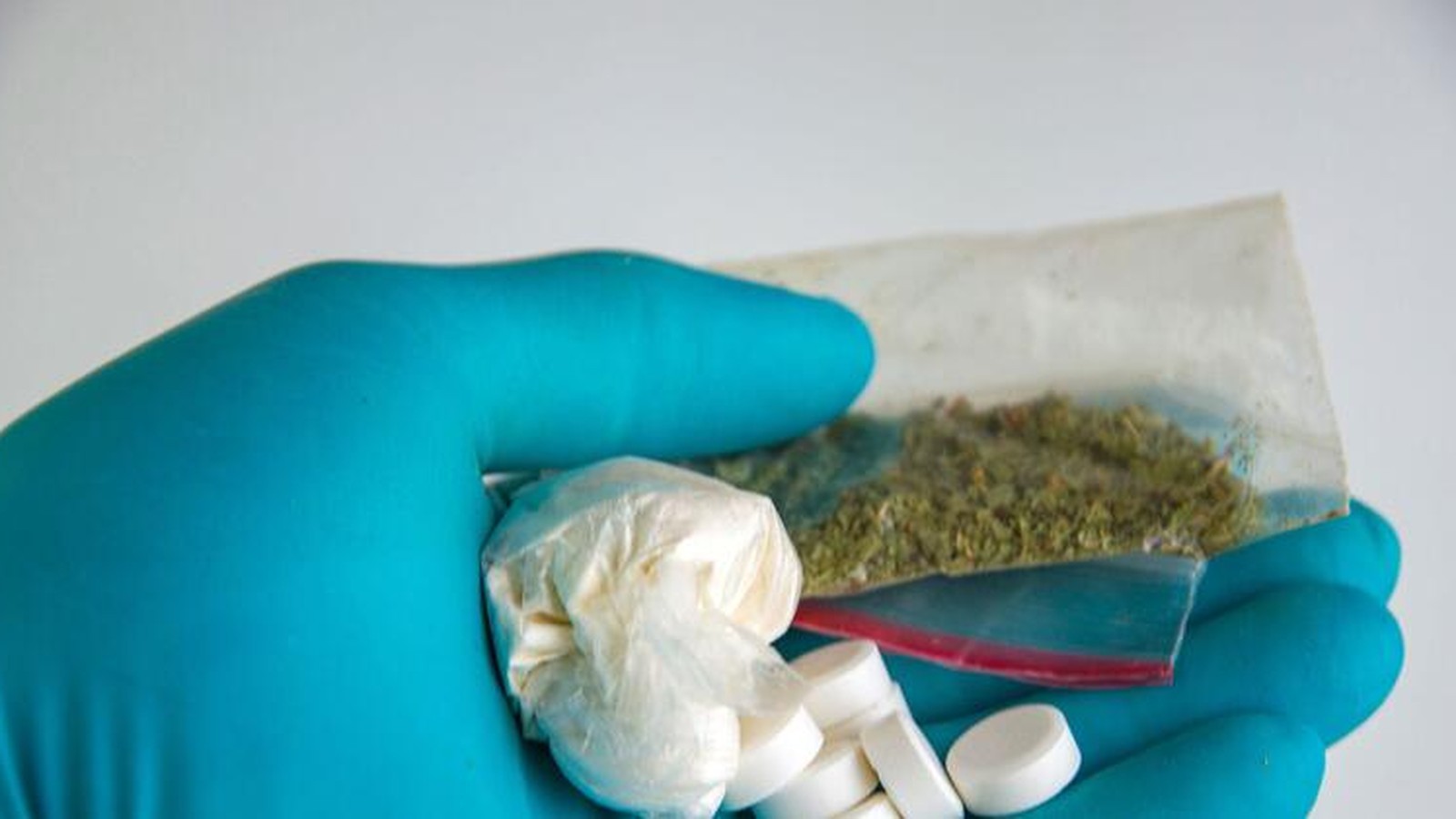
The UN World Drug Report 2026 reveals that an estimated 331 million people—6.2 percent of the global population—used drugs in 2024. This rise is compounded by a shift in illicit markets; as traditional opium production declines following Afghanistan’s 2022 cultivation ban, traffickers are pivoting to highly potent synthetic opioids like nitazenes and fentanyl. Monica Juma, Executive Director of the UNODC, warned that the market is becoming increasingly dangerous, with 755 new psychoactive substances identified in 2024 alone.
In contrast to the public health crisis fueled by synthetic illicit drugs, the medical field is achieving success with sophisticated, lab-engineered therapies. At the ASCO Breakthrough summit, experts highlighted the rapid maturation of antibody-drug conjugates (ADCs) and cellular therapies. Dr. Lillian L. Siu of the Princess Margaret Cancer Centre emphasized that global collaboration is accelerating the delivery of these precision tools, which allow clinicians to target cancer cells with pinpoint accuracy while sparing healthy tissue.
The Judicial and Regulatory Landscape
The intersection of law and substance use remains complex. In the United States, an Idaho prosecutor announced the dismissal of misdemeanor drug charges against former Olympic skier Bode Miller. Although initial probable cause was established, Prosecutor Lindsey Blake stated that new information related to an active, separate case necessitated the dismissal in the “interest of justice.” The case underscores the ongoing challenges in drug enforcement, where individual circumstances often collide with rigid legal frameworks.
The contrast between these events highlights a critical tension in 2026: the life-saving potential of pharmaceutical engineering versus the systemic dangers of unregulated synthetic substances. As the global community addresses the rise in drug-related mortality and the neglect of vulnerable populations—specifically women and displaced persons—the medical sector continues to push the boundaries of what is possible in treating the world’s most complex diseases.