


Legal Fallout in Kirk Murder Trial
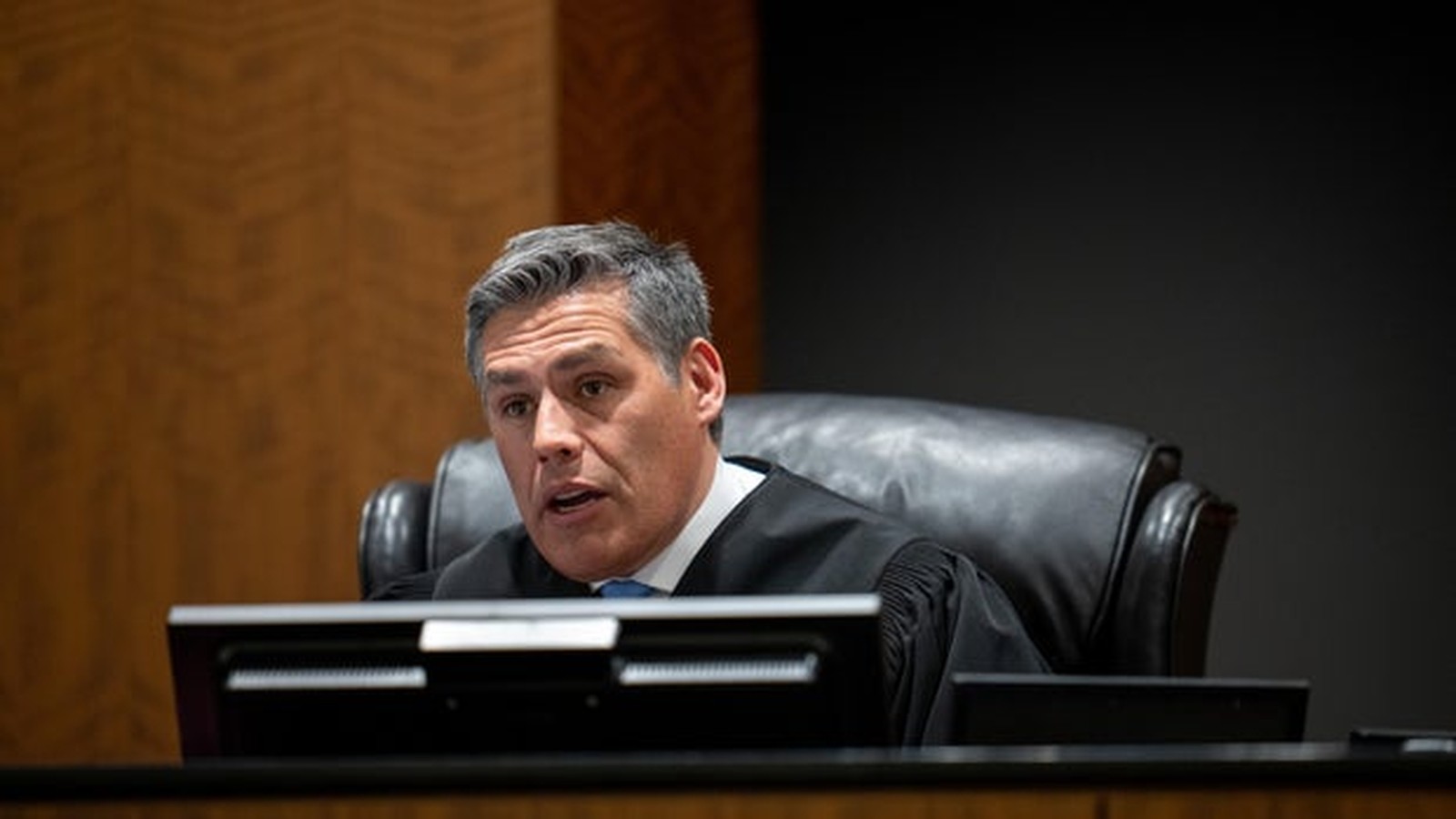
A Utah judge ruled Friday that a prosecutor committed civil contempt by violating a pretrial publicity order in the high-profile murder trial of Tyler Robinson, who is accused of killing conservative activist Charlie Kirk last year. Despite the ruling, Judge Tony Graf declined the defense’s request to remove the death penalty as a potential sentence, leaving the most severe legal outcome on the table.
The contempt motion centered on comments made by Deputy Utah County Attorney Christopher Ballard to the media earlier this spring. Ballard, acting as a spokesperson for the County Attorney’s Office, discussed an inconclusive ballistics report regarding a bullet fragment found at the scene of the fatal shooting at Utah Valley University. Judge Graf found that Ballard’s commentary ventured beyond correcting public misconceptions and into an assessment of the defendant’s guilt, which the court ruled carried a “substantial likelihood of materially prejudicing the proceedings.”
Stakes of the Ruling
The decision represents a significant setback for the defense team representing 23-year-old Tyler Robinson. Robinson faces charges of aggravated murder, felony use of a firearm, obstruction of justice, witness tampering, and committing a violent act in the presence of a child. Defense attorneys had argued that the prosecutor’s “media tour” and public commentary warranted the dismissal of the death penalty as a sanction for misconduct. While Judge Graf denied that request, he ordered the state to cover the defense’s legal fees associated with the contempt proceedings and indicated that he would implement additional measures during jury selection to mitigate any potential bias caused by the prosecutor’s statements.
The case, which shocked the political establishment last September, has remained highly sensitive. Recent reporting in the book Regime Change by Maggie Haberman and Jonathan Swan revealed that the news of Kirk’s assassination reached the White House through Barron Trump, who alerted his father, President Donald Trump, in a state of distress shortly after the shooting occurred.
Judicial Integrity and Next Steps
The prosecution had vehemently opposed the defense’s request to drop the death penalty, labeling it a “grossly disproportionate” remedy for the alleged misconduct. Ballard defended his actions, stating his intent was to clarify inaccuracies in defense filings that suggested the ballistics evidence was definitively inconclusive, rather than simply unable to be excluded. Judge Graf, however, maintained that discussing the overall strength of the state’s evidence was a bridge too far for a prosecutor bound by a strict publicity order.
As the case moves toward a preliminary hearing scheduled for July 6, the court faces the challenge of insulating the jury pool from the intense public and media scrutiny surrounding the assassination of such a prominent political figure. Judge Graf noted that he may consider expanding the jury pool and using more rigorous questionnaires to ensure a fair trial, despite the procedural friction generated by the prosecutor’s public comments.