


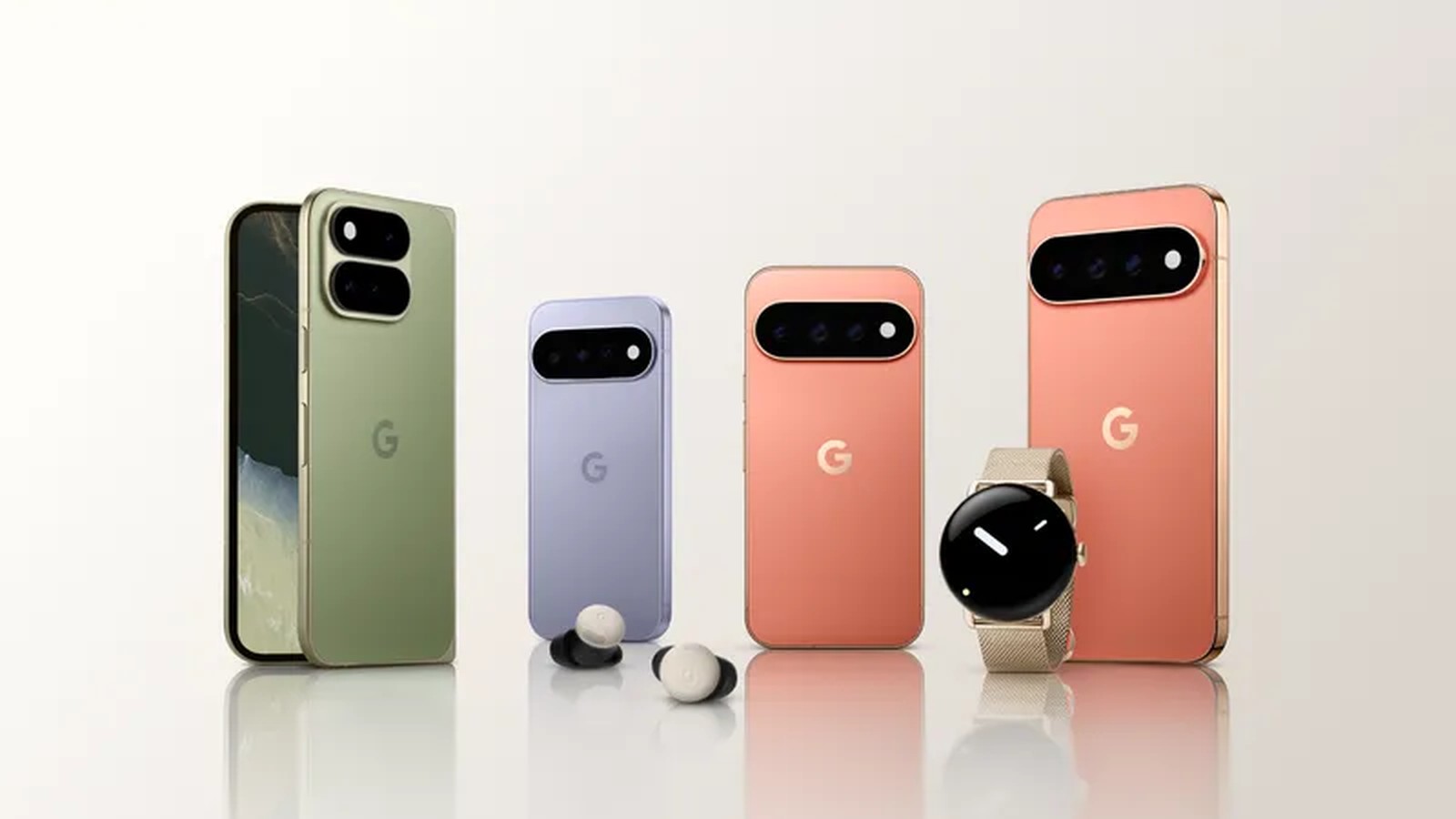
A New Generation of Pixel Hardware
Google has officially unveiled its latest flagship smartphone lineup, the Pixel 11 series, comprising the standard Pixel 11, Pixel 11 Pro, Pixel 11 Pro XL, and the foldable Pixel 11 Pro Fold. The announcement, made on August 12, 2026, signals a strategic pivot toward deepening AI-driven utility through the new custom-built Google Tensor G6 processor. All models are scheduled to hit retail shelves on August 20.
The updated hardware features significant internal upgrades, most notably the transition to the Tensor G6 chip. Google reports that this processor delivers 25% faster web browsing and 15% quicker app launches compared to its predecessor. Crucially, the chip includes a 50% increase in TPU (Tensor Processing Unit) compute power, enabling the device to run the Gemini Nano AI model on-device with 3.5 times the speed and significantly higher energy efficiency.
Hardware Refinements and Durability
Design changes across the series focus on durability and ergonomics. The standard Pixel 11 features a camera bar with a 40% reduction in thickness, aiming for a more pocketable form factor. The Pro models now utilize an anti-scratch display coating that Google claims provides double the scratch resistance of previous generations, paired with a Super Actua display reaching up to 3,600 nits of brightness.
The Pixel 11 Pro Fold has also seen significant physical modifications. It is approximately 1mm thinner and nearly 10% lighter than the previous iteration. Google has utilized a new glass fiber composite for the back cover and an improved hinge design to enhance crease performance, aiming to address common durability concerns associated with foldable devices.
HiLight and AI-First Software
A distinctive hardware addition to the Pro models is “HiLight,” an ambient LED system integrated into the camera bar. HiLight provides visual notifications through color-coded glows, allowing users to identify callers or status updates from Gemini without looking at the screen. This feature is part of Google’s broader effort to reduce “distraction” through glanceable information.
Software features are heavily centered on Gemini Intelligence. New capabilities include background task automation—such as booking services—and a sign language-to-text translation feature developed in partnership with the Deaf community. This tool uses the front-facing camera to translate American Sign Language (ASL) into text in real-time, displaying the output on the external screen of the Pro Fold.
Market Strategy and Pricing
The series marks a departure from lower-entry price points; Google has removed the 128GB storage option, setting the new entry-level storage at 256GB. Consequently, the starting price for the Pixel 11 has risen to $899, with the Pro and Pro XL starting at $1,099 and $1,299, respectively. Buyers of the Pro models receive a six-month subscription to Google AI Pro, a bundle valued at approximately $120, which includes 5TB of cloud storage and expanded Gemini limits.