


A Shift in Outcomes After Provisional Ballots
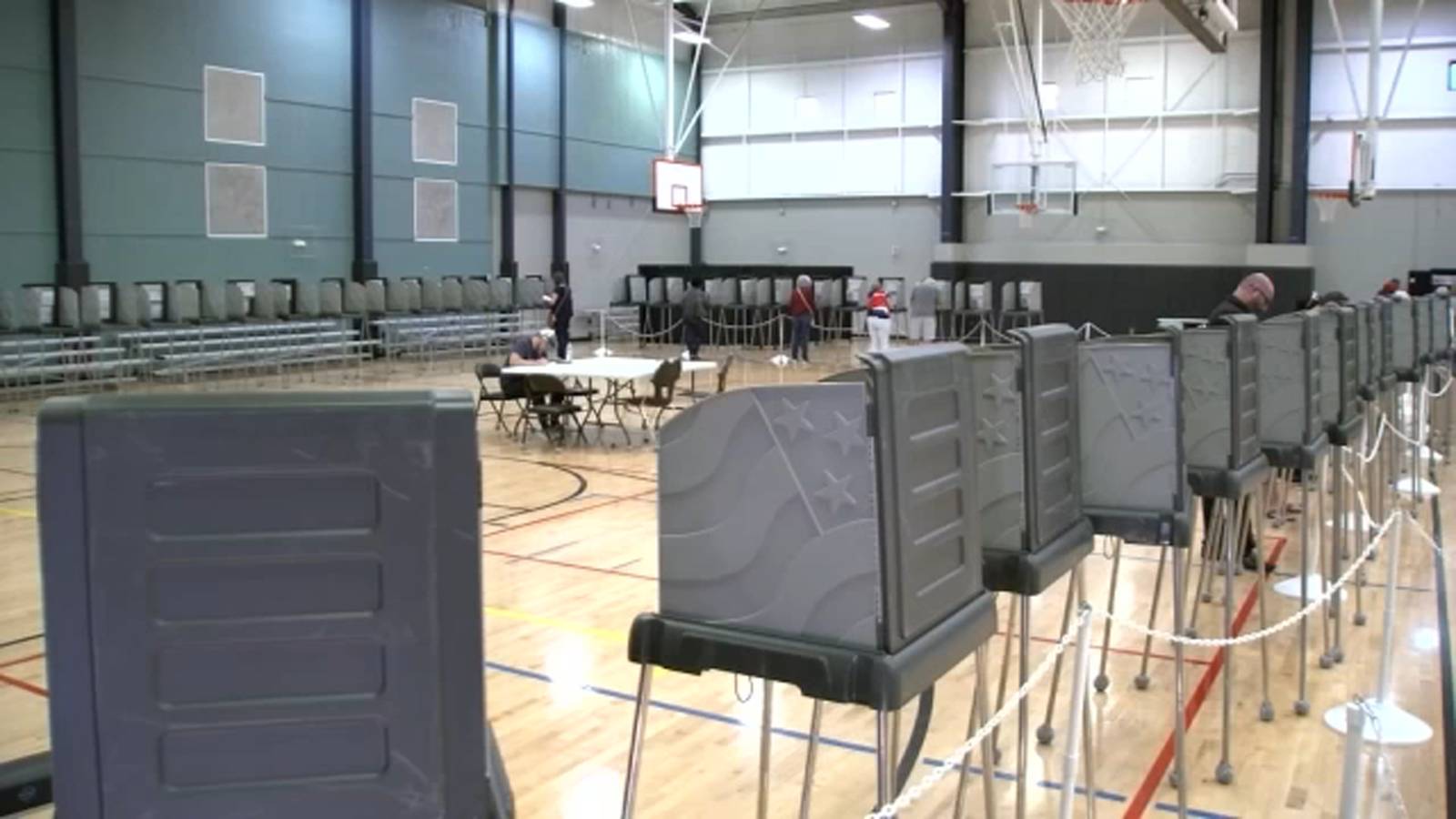
On Wednesday, November 11, 2026, Republican U.S. Representative Gregory Murphy formally conceded his reelection bid in North Carolina’s 3rd Congressional District to Democratic challenger Raymond Smith. The concession marks a significant turn in a contest that had remained unresolved for a week following the midterm elections. While Murphy had initially declared victory on the Wednesday following Election Day, the subsequent processing of approximately 6,000 provisional ballots across the district’s nine counties shifted the momentum, ultimately placing Smith in the lead by 293 votes. This development underscores the volatility of razor-thin congressional races in the current political climate, where late-counted ballots can decisively alter the trajectory of an election.
The transition from Murphy’s early victory claim to a formal concession highlights the risks of premature declarations. Murphy, who has held the seat since 2019, acknowledged the result in a statement, congratulating Smith on his success and expressing his disappointment in the inability to continue his work for the district. Smith, a former state lawmaker and Army veteran, has already begun preparations for his transition to Washington, D.C., confirming he received a call to attend freshman orientation shortly before the official concession was issued. Smith’s victory adds a critical seat to the Democratic caucus in the House, complicating the Republican party’s legislative path moving forward as the district moves toward the certification of results.
Redistricting and Political Consequences
The loss of the 3rd District seat serves as a stark example of unintended consequences stemming from North Carolina’s recent congressional map redistricting. Political analysts suggest that Republican efforts to consolidate support and potentially unseat incumbent Democrat Don Davis in the neighboring 1st District may have inadvertently weakened Murphy’s standing in the 3rd. Steven Greene, a political science professor at North Carolina State University, observed that the strategic redrawing aimed at flipping the 1st District backfired, resulting in the loss of a seat that Republicans previously considered secure. Critics of the 2025 redistricting effort warned at the time it could shift from a practice known as gerrymandering into what some analysts refer to as “dummymandering”—a strategy that ultimately backfired against the political party that designed it.
The narrow margin of defeat also highlights broader national headwinds that impacted Republican candidates across the region. Factors such as persistent concerns over international conflicts, including the war in Iran, and the economic impact of shifting tariff policies were cited as potential contributors to the erosion of Republican support. Voters in the new version of the district had supported Republican Donald Trump over Democrat Kamala Harris by 13 percentage points in the 2024 presidential election, suggesting that the shift in the 3rd District was a direct response to recent political developments rather than a long-term demographic realignment.
The Mechanics of the Count and Future Implications
The reliance on provisional ballots in this race underscores the importance of secondary vote processing in tight elections. Smith’s campaign had maintained that the race was far from over during the week following the initial election night, actively discouraging premature declarations of victory while the provisional count was still outstanding. By the time the final tallies were updated on Wednesday, the shift in the lead was substantial enough to alter the outcome decisively. Smith, who believes local voters saw through the redistricting attempts, emphasized that his focus remains on serving all constituents regardless of their political affiliation. His legislative priorities include addressing the cost of living, improving access to healthcare, and supporting the state’s agricultural and military sectors, which are vital to the district’s economy.
As North Carolina’s congressional delegation shifts toward an 11-3 or 10-4 Democratic advantage, the broader implications of these mid-decade redistricting efforts remain a focal point for political scholars. Jon Green, an assistant professor of political science at Duke University, noted that the trend could signal a general dissatisfaction among voters with the current direction of national politics. The risks associated with aggressive, short-term redistricting strategies are now being scrutinized, as parties face the possibility of escalation in the opposite direction in future cycles. For the residents of the 3rd District, the focus now shifts to the transition of power and the incoming representative’s commitment to addressing the complex economic and social challenges facing eastern North Carolina. Smith has stated that he intends to work just as hard for those who did not vote for him, signaling a desire to unify a district that has been through a highly contentious and closely watched election cycle.
The race was one of several across the state where Republican incumbents faced unexpected challenges. In the 5th Congressional District, for instance, Democrat Chuck Hubbard holds a narrow lead over incumbent Republican Virginia Foxx, further illustrating the shifting political landscape in North Carolina. As the state moves toward final certification, the impact of these races on the national balance of power in the U.S. House of Representatives will continue to be a primary area of interest for observers of American politics. The case of the 3rd District stands as a reminder that electoral outcomes are rarely settled until every provisional ballot is fully processed and the democratic process reaches its conclusion.
Priorities and Legislative Outlook
Representative-Elect Raymond Smith has already laid out a robust agenda for his time in Congress. Beyond the immediate concerns of his constituents, he has expressed a strong commitment to strengthening voting rights legal protections, aiming to codify them in the Constitution to prevent future controversies surrounding redistricting and ballot access. His background in the state legislature and local school boards provides him with a foundation to address the diverse needs of his district. From the pork production industry in Duplin County to the military readiness of bases like Seymour Johnson, Smith recognizes the necessity of protecting the economic assets that sustain eastern North Carolina.
Furthermore, the issue of healthcare access remains a top priority for the incoming representative. With only one level-one trauma center east of I-95, Smith has signaled that improving medical infrastructure is essential for the wellbeing of his constituents. As he prepares to join the freshman class in Washington, D.C., his ability to balance these local needs with the broader legislative goals of his party will be tested. The successful campaign of Smith, characterized by a focus on grassroots outreach and a rejection of premature victory claims, provides a blueprint for future Democratic candidates navigating similar districts. Ultimately, the 3rd District race will be studied for years to come as a definitive example of how electoral maps, when drawn with specific partisan intent, can produce results that defy the expectations of their creators.
Reporting source: thehill.com.