


Maine’s Democratic Senate Primary: A Battle Between Generations and Ideals
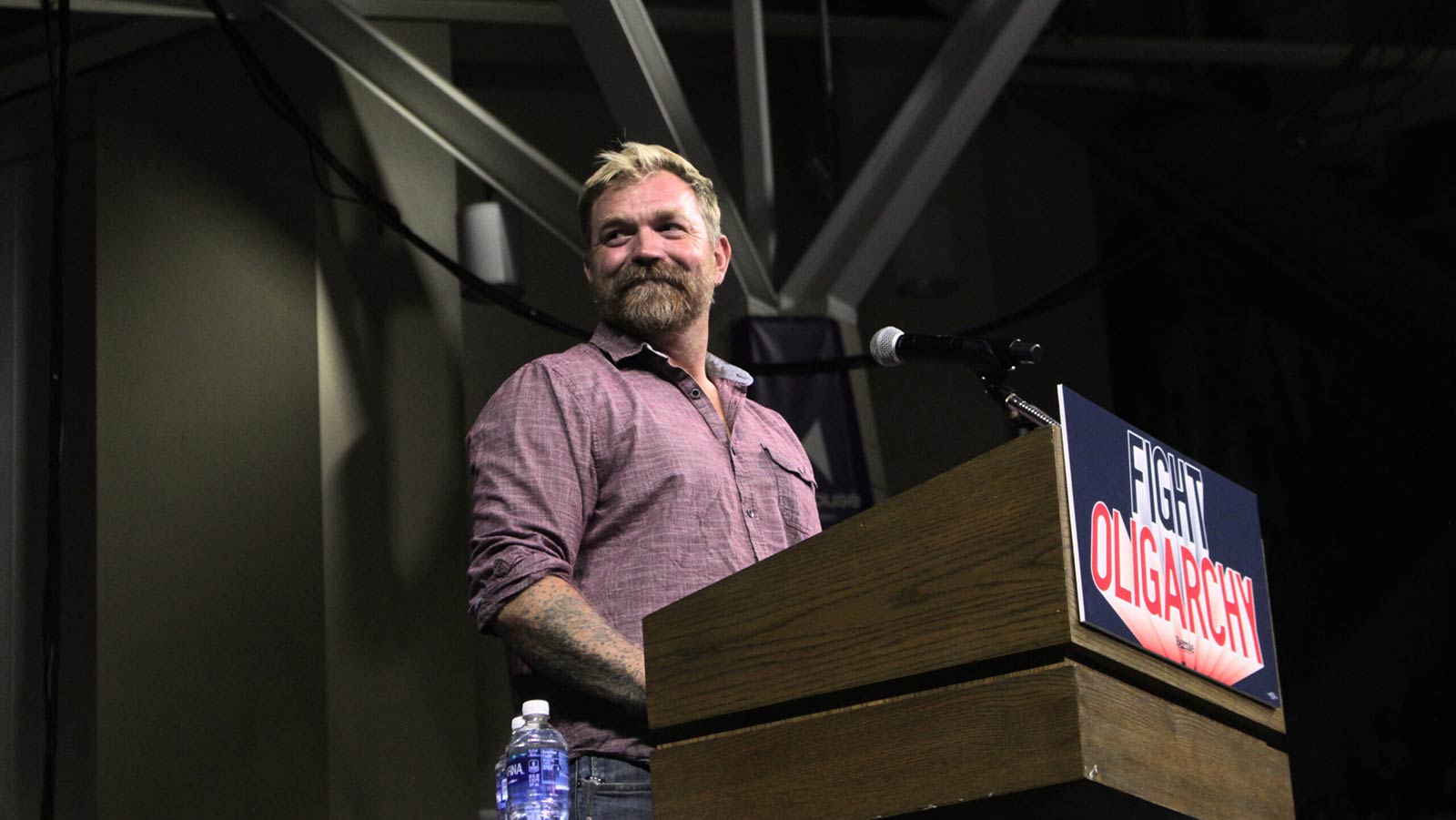
The Democratic Senate race in Maine has become a vivid reflection of broader tensions in American politics. At its heart is Graham Platner, a 41-year-old Marine veteran and oyster farmer, whose campaign has energized progressive voters and unsettled party elders. Platner’s bid for the U.S. Senate was already notable for its contrast with establishment candidate, Governor Janet Mills, 77, who recently entered the race amid heated debate over whether age and experience trump youthful disruption.
For months, the Democratic establishment had been quietly urging Mills to run, hoping her experience would make her the strongest challenger to incumbent Republican Susan Collins. Collins, Maine’s only Republican senator, is widely viewed as vulnerable, especially in a state that chose Kamala Harris for president. Yet, Mills’ entry did not bring unity—it intensified questions about generational change and party identity.
Platner, meanwhile, cast himself as a fierce opponent of political complacency and oligarchy. His campaign drew national attention, raising over $4 million and securing endorsement from progressive stalwart Bernie Sanders. Platner’s messaging resonated with younger and more radical voters, many of whom felt alienated by the party’s older leadership. His team included high-profile advisers from campaigns like those of New York’s Zohran Mamdani and Pennsylvania’s John Fetterman.
Controversy Unfolds: Reddit Posts and the Tattoo Question
Momentum was abruptly challenged last week. Platner’s old Reddit posts resurfaced, revealing comments that ranged from self-described communism to racially insensitive jokes and dismissive remarks about sexual assault in the military. Some posts included language about Black patrons’ tipping habits and a blanket condemnation of police officers. The revelations sent shockwaves through Democratic circles and prompted the resignation of Platner’s campaign political director, former state Rep. Genevieve McDonald.
Platner responded swiftly, issuing a direct apology and attributing the posts to post-war PTSD and the struggles he faced after military service. “Some of the worst I made, the things that I think are least defensible, that I wouldn’t even try to defend,” he said in a video message, acknowledging the pain his words caused and expressing regret to those he offended. His approach—public, unscripted, and emotional—was praised by some as an example of accountability, while others argued the comments were simply too damaging.
The situation escalated further with the revelation of a tattoo on Platner’s chest. In a video from his brother’s wedding, Platner appeared shirtless, exposing a skull-and-crossbones symbol. Investigative journalists from The Maine Monitor and Bangor Daily News identified the tattoo as a “Totenkopf”—a symbol used by Nazi SS units, especially those guarding concentration camps during World War II. The Anti-Defamation League (ADL) called the tattoo “troubling,” but added that sometimes people acquire tattoos without knowing their full historical associations. “The bearer should be asked whether they repudiate its hateful meaning,” said ADL spokesperson Jessica Cohen.
Platner again confronted the issue head-on, discussing the tattoo on the “Pod Save America” podcast. He explained that he got the tattoo in Croatia during his third Marine deployment, after a night of heavy drinking with fellow Marines. “We chose a terrifying skull and crossbones off the wall because we were Marines and skulls and crossbones are a pretty standard military thing,” Platner said, insisting that he was unaware of the symbol’s Nazi connection at the time. He noted that military doctors had reviewed his tattoos and never flagged them under regulations barring extremist imagery.
“I am not a secret Nazi,” Platner stated emphatically. “Actually, if you read through my Reddit, I think you can pretty much figure out where I stand on Nazism and antisemitism and racism in general.” He described his subsequent service in the Army National Guard, where he received a security clearance and was screened for extremist tattoos, as further evidence against the allegations.
Party Division and Political Fallout
Platner’s dual controversies have split Democratic opinion. Some, like Sanders, stood by Platner, pointing to his apology and his outsider status. Others, including EMILYs List President Jessica Mackler, condemned his comments and the tattoo as “unacceptable and disqualifying.” The party’s internal debate echoes broader national struggles with generational turnover, accountability, and how to handle candidates’ past mistakes.
Governor Mills, meanwhile, has leaned into the argument that Democrats cannot risk running a political novice against Collins, whose skillful maneuvering in Washington has kept her in office for decades. Mills’ supporters believe her experience is the safest path to victory, especially given Maine’s history—no Democrat has won a Senate seat there in 30 years. But critics argue that relying on aged incumbents alienates younger voters, who feel the party is out of touch with their priorities and values.
Platner’s campaign has become a microcosm of the Democratic Party’s identity crisis. With other young candidates rising in neighboring states, such as Rep. Chris Pappas in New Hampshire and Rep. Seth Moulton in Massachusetts, the generational divide is more pronounced than ever. The Maine primary, then, is not just about local politics—it’s a national test of whether Democrats can embrace change while managing the risks of inexperience and controversy.
What Comes Next: Accountability, Voters, and the Meaning of Leadership
As the Maine primary approaches, the stakes remain high. Democrats need to hold their seats and pick up four more to retake the Senate majority. Maine is one of the biggest prizes, but the primary’s turbulence threatens to distract from Collins’ own record—her votes on Trump, abortion rights, and bipartisan legislation.
Platner’s journey—marked by military service, personal struggle, and now public controversy—raises difficult questions about forgiveness, growth, and the standards to which candidates are held. His openness about his past and willingness to face criticism head-on have won some support, but the tattoo and Reddit posts may linger as liabilities.
In the end, the race is less about any single scandal and more about the future of the Democratic Party. Will Maine voters reward Platner’s candor and outsider energy, or will they stick with the proven experience of Mills? The outcome may shape not just the state’s Senate representation, but the direction of the party as a whole.
The Platner episode underscores how personal history, accountability, and generational change are colliding at the heart of American politics. Maine’s Democratic primary is now more than a contest for a Senate seat—it’s a referendum on the values, risks, and resilience of a party seeking its future.