


A Decades-Long Legal Battle
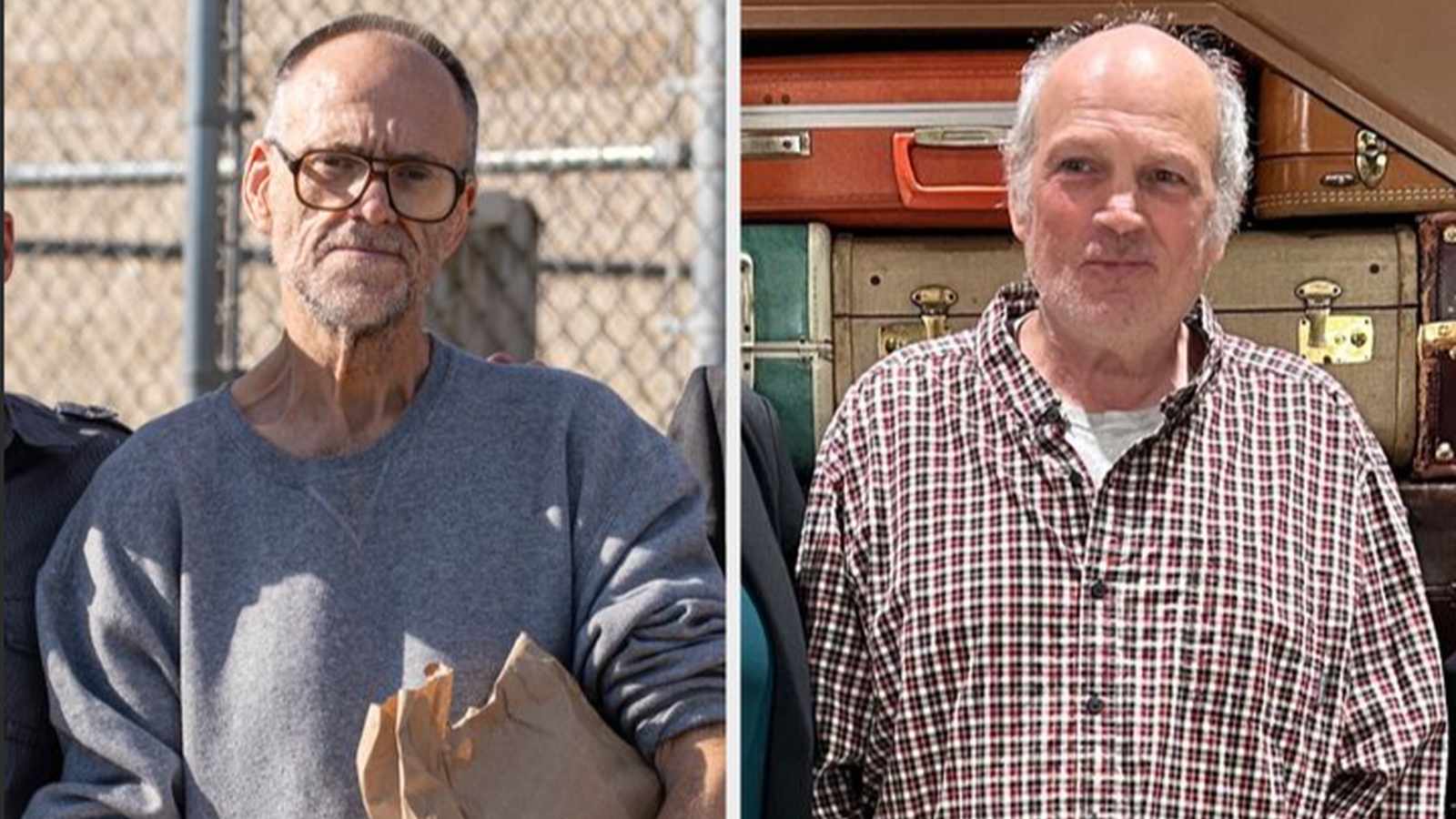
David and Robert Bintz, two brothers who spent nearly twenty years behind bars for a 1987 murder they did not commit, have filed a federal lawsuit against the city of Green Bay. The lawsuit, filed in August 2026, alleges that the brothers’ constitutional rights were violated through coercive interrogation tactics and the fabrication of evidence by law enforcement.
The brothers were convicted in connection with the death of 44-year-old Sandra Lison, whose body was discovered in the Machickanee Forest. For years, the case remained unsolved until investigators acting on a tip from a prison cellmate interrogated David Bintz, who is intellectually disabled. The resulting statements, which were neither audio nor video recorded, formed the basis of the prosecution’s case against both brothers.
Allegations of Coercion and Fabrication
The lawsuit names two specific defendants: Robert Haglund, a former Green Bay Police Department detective, and Richard Luell, a former special agent with the Wisconsin Division of Criminal Investigation. The legal filing asserts that these investigators “knowingly fabricated” evidence to secure a confession. According to the plaintiffs’ attorney, Jarrett Adams, David Bintz was subjected to over six hours of “relentless interrogation” without access to food, water, or restroom facilities, during which he became visibly distressed.
A critical point of contention involves the confession itself. While prosecutors presented the statement as a confession, the Wisconsin Claims Board noted in 2025 that there was no signed confession document. Instead, the “confession” was a summary report authored by Agent Luell. The lawsuit further highlights that the state’s case ignored forensic evidence—specifically semen and blood samples—that did not match either brother.
The Role of DNA Exoneration
The Bintz brothers were ultimately exonerated in 2024 after the Wisconsin Innocence Project and the Great North Innocence Project utilized DNA testing to identify the true perpetrator as William J. Hendricks, a violent offender who died in 2000. Despite this exoneration, the path to compensation has been fraught with legislative hurdles. While the Wisconsin Claims Board recommended a payout of approximately $1 million per brother, state law caps compensation at $25,000 per person unless the state legislature approves an additional amount. To date, the brothers have only received the statutory maximum and reimbursement for legal fees, leaving them without the financial stability needed for retirement after decades of wrongful incarceration.