

Quick Read
- H3N2 is the dominant flu strain in 2025, causing rapid and severe outbreaks.
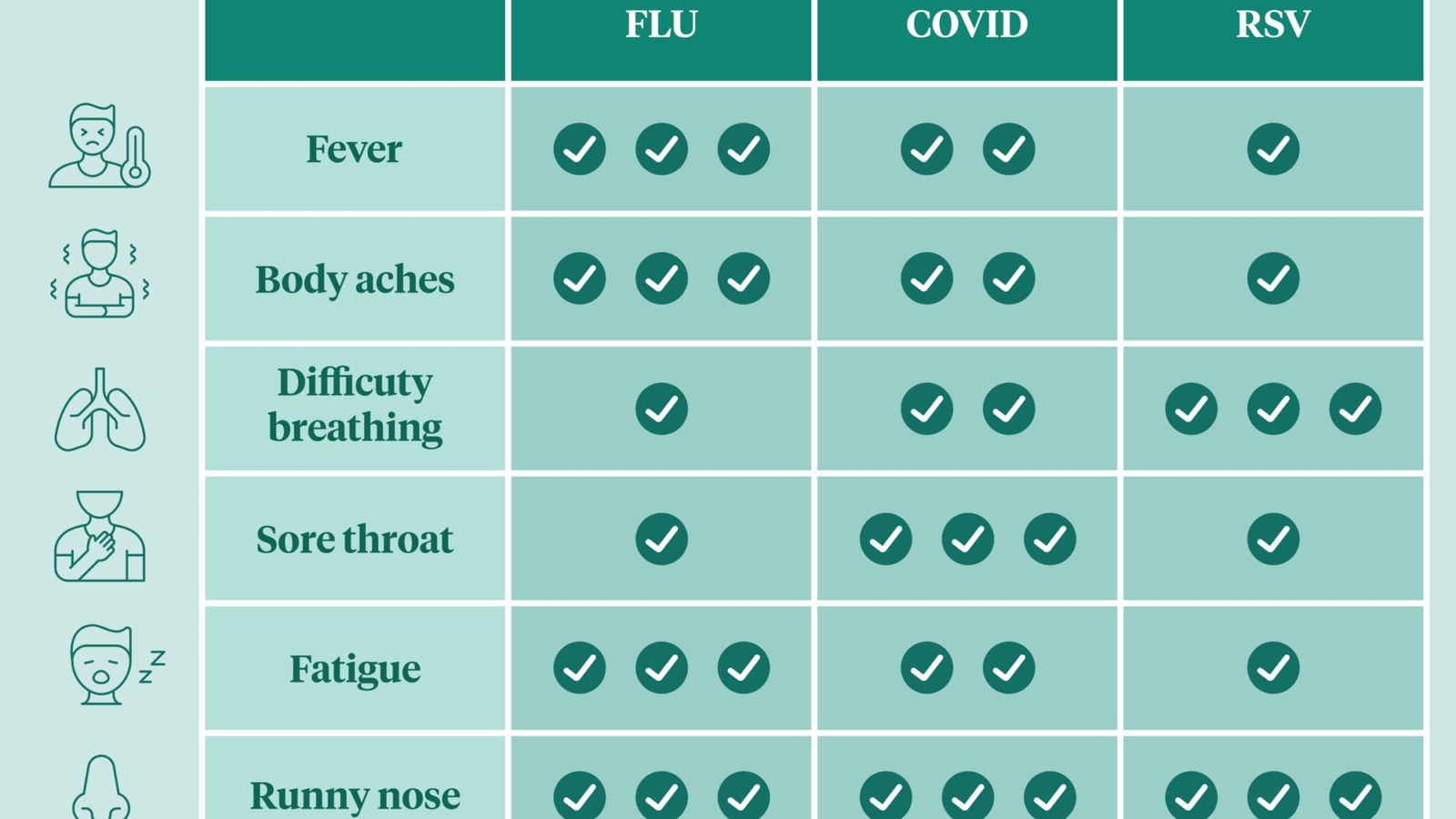
- Symptoms include sudden fever, cough, runny nose, body aches, and extreme tiredness.
- Hospital admissions for flu are up 56% from last year in the UK, with similar trends in the US.
- Vaccine effectiveness is 70-75% in children and 30-40% in adults; coverage remains low in some regions.
- Experts urge vaccination and basic hygiene as the best defenses against severe illness.
H3N2 Flu Strain Fuels Severe 2025 Outbreak: What Sets This Year Apart?
As winter 2025 unfolds, the H3N2 influenza strain is driving one of the most severe flu outbreaks in decades across the UK, United States, and beyond. Health authorities are sounding alarms as hospital admissions climb, and experts urge the public to stay alert and get vaccinated. But what exactly is the H3N2 strain, why has it hit so hard this year, and what can you do to protect yourself?
What Is the H3N2 Strain and Why Is It More Dangerous?
The H3N2 flu strain is a subtype of the influenza virus, identified by its unique combination of surface proteins: haemagglutinin (H) and neuraminidase (N). According to The Independent, this variant—also known as subclade K—is currently the most dominant circulating flu virus in England, and its reputation for causing more severe illness isn’t unfounded. Dr Giuseppe Aragona, a GP and medical adviser, highlights that H3N2’s ability to mutate rapidly means immunity from previous infections or vaccines may be less effective this season. In fact, experts say the strain has developed seven new mutations over the summer, making it markedly different from previous years.
“H3N2 changes regularly, so the version of the virus circulating this year may be different from previous years or from the one in the seasonal vaccine, which can make people more susceptible,” Dr Aragona explains. This unpredictability is partly why the current outbreak is so intense, with higher rates of illness and hospitalizations.
Symptoms: How to Recognize the Flu This Year
Flu symptoms triggered by H3N2 tend to develop rapidly. According to the UK Health Security Agency (UKHSA), the most common signs include:
- High fever
- Persistent cough
- Runny or stuffy nose
- Body aches and headaches
- Extreme tiredness, often more severe than with a cold
- Occasionally vomiting or diarrhoea
Unlike the gradual onset of a common cold, flu symptoms can appear suddenly and escalate quickly, making it crucial to monitor your health and seek medical advice if you belong to a high-risk group.
Who Is Most at Risk?
While most healthy adults and children can manage flu symptoms with rest and hydration, certain groups are particularly vulnerable to severe complications. According to the UKHSA and MDHHS (The Alpena News), these include:
- Children under five years old (especially under two)
- Adults aged 65 and older
- Pregnant women
- Individuals with chronic conditions (asthma, diabetes, heart disease, weakened immune systems, neurological conditions)
Recent data from Michigan show a troubling rise in pediatric influenza deaths and hospital admissions, reflecting the seriousness of this year’s outbreak. Emergency departments saw nearly 8,600 flu-related visits at the season’s peak, almost double the previous year’s numbers. In the UK, daily hospital admissions reached 1,717 last week, a staggering 56% increase from last year and seven times higher than in 2023.
Why Is 2025’s Flu Season So Severe?
Several factors have converged to create what experts call a “perfect storm” for flu transmission in 2025:
- Earlier Start: The flu season began earlier than usual, giving the virus more time to spread.
- Viral Evolution: The H3N2 strain has evolved from last year, reducing the effectiveness of existing immunity and vaccines.
- Reduced Exposure: Fewer people have been exposed to flu in recent years, especially children, increasing vulnerability.
- Social Habits: Colder weather, indoor gatherings, and holiday travel have amplified transmission rates.
Australia’s recent record-breaking flu season is often viewed as a predictor for the UK and other regions—and the warning signs proved accurate. Last year’s flu deaths in the UK reached around 8,000, up from 3,500 the previous year, but still below the 16,000 recorded in 2022-2023.
Vaccine Effectiveness: What’s New in 2025?
Vaccination remains the cornerstone of flu prevention, especially for those at higher risk. The latest data published by UKHSA shows that the 2025-2026 flu vaccine is between 70-75% effective at preventing hospital visits in children aged 2-17, and 30-40% effective in adults. Children receive a nasal spray, while adults are offered an injection, and differences in existing immunity and vaccine types account for the variation in effectiveness.
Despite concerns about new mutations, Dr Jamie Lopez Bernal, UKHSA’s consultant epidemiologist, describes the current vaccine as “reassuring evidence” of protection. “I strongly encourage everyone eligible to take up their flu vaccine as soon as possible,” he says. Dr Thomas Waite, deputy chief medical officer, echoes this sentiment: “Flu can be an unpleasant infection for many and life-threatening for some; vaccination is the best form of defence.”
However, vaccine coverage remains low in some regions. In Michigan, only 18% of residents have received the vaccine this season, prompting public health officials to ramp up awareness campaigns.
Preventing Flu: Practical Steps and When to Seek Help
Beyond vaccination, experts recommend several simple precautions to lower your risk:
- Wash hands frequently with soap and water
- Cover your mouth and nose when coughing or sneezing
- Avoid close contact with people who are ill
- Keep your home well-ventilated
- Wear a face mask outside if you feel unwell
For those who suspect they have caught the flu, most recover without medical intervention. However, NHS guidelines advise calling 111 if symptoms worsen, especially for those in high-risk categories. Flu test kits similar to COVID-19 lateral flow tests are now available at pharmacies, providing quick results and peace of mind.
Looking Ahead: Managing the Risks
As the H3N2 strain continues to circulate and mutate, the message from health authorities is clear: vigilance is key. Early vaccination, sensible hygiene measures, and prompt medical attention for severe symptoms can significantly reduce the risk for individuals and communities alike. While the numbers this season are sobering, experts caution against panic. For most, flu remains manageable with proper care—but for the vulnerable, it’s a threat that demands serious attention.
With hospital admissions and pediatric deaths rising, the 2025 flu season stands as a stark reminder that viral evolution and changing social habits can quickly tip the balance. The facts point to the urgent need for better vaccine coverage and awareness, especially among high-risk groups. Ultimately, the H3N2 outbreak exemplifies the ongoing challenge of staying ahead of rapidly adapting pathogens in a connected world.