


Legislative Tensions Rise Post-Election
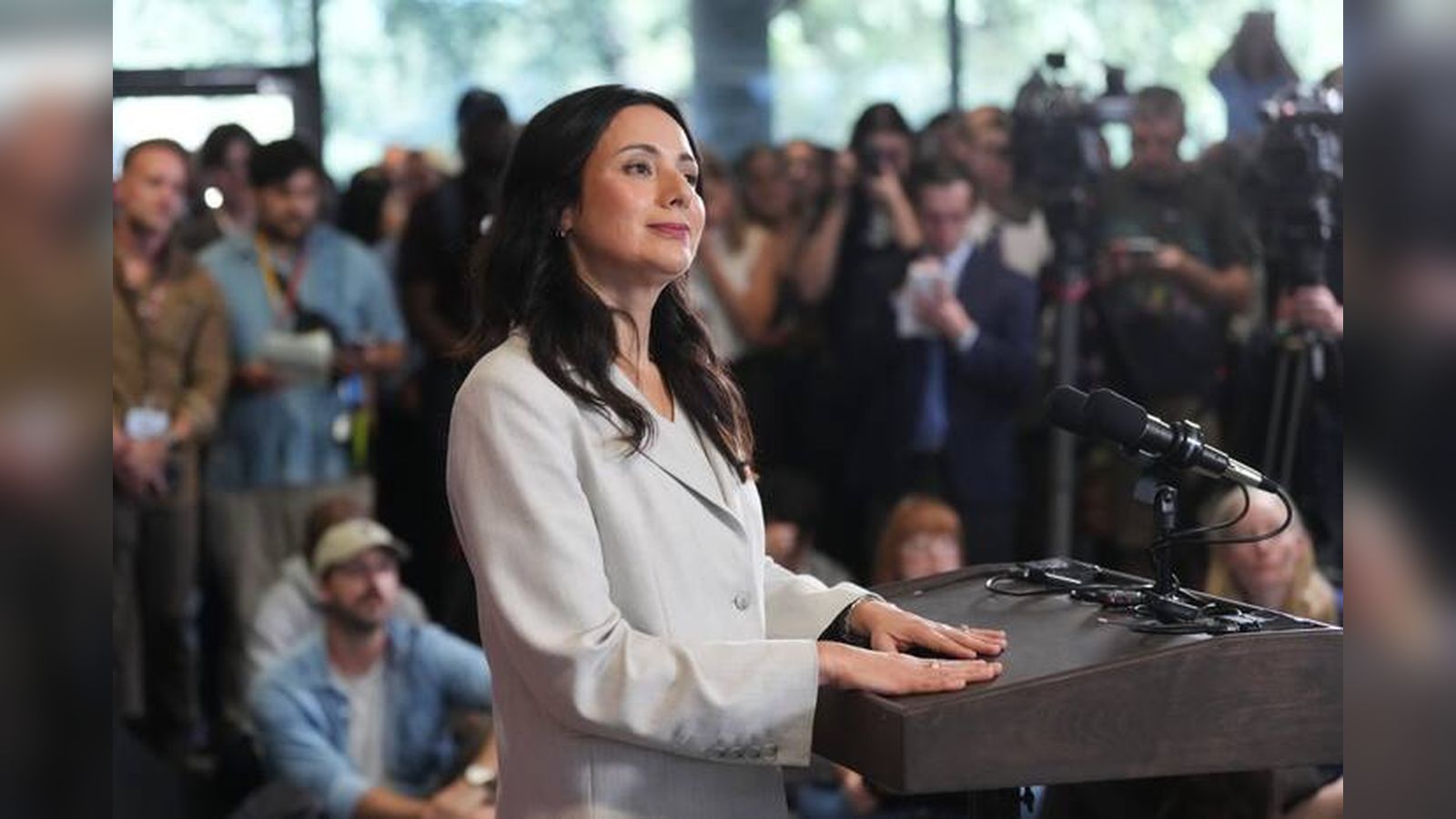
AUSTIN (Azat TV) – On Thursday, November 5, 2026, Texas Governor-elect Gina Hinojosa held her first post-election news conference, urging state lawmakers to respect the results of the democratic process. Hinojosa’s remarks come as Republican state Representative Brian Harrison of Midlothian has publicly called for a special legislative session to curtail the governor’s emergency powers before her scheduled inauguration on January 19, 2027. Reporting by Click2Houston confirms that Harrison is advocating for a legislative intervention to prevent the incoming administration from utilizing executive authority to modify or bypass state statutes.
Representative Harrison, writing on social media, argued that current Texas law grants governors excessive latitude during emergencies. He emphasized that his proposed measures—which include requiring legislative ratification of executive orders within 30 days and prohibiting the unilateral suspension of laws—should be applied regardless of the party holding the governor’s mansion. Harrison’s urgency stems from his stated belief that the existing legal framework allows for “executive fiat” that could fundamentally alter the balance of power in the state. He has explicitly requested that outgoing Governor Greg Abbott convene a special session to address these concerns before the transition period concludes.
Hinojosa’s Response to Executive Authority Concerns
During her briefing, Hinojosa was asked to comment on the potential legislative maneuvers aimed at reducing the powers of her office. She opted not to address Representative Harrison or his specific proposals directly. Instead, she framed the current political climate around the mandate provided by the electorate. “The people of Texas have spoken, and I think it’s important that as elected leaders we respect what the people of Texas have said,” Hinojosa stated. She further expressed hope that elected officials from both parties would prioritize collaborative progress over obstructionism as she prepares to assume office.
The push to modify gubernatorial authority highlights the significant ideological divide that will define the upcoming legislative term. While Hinojosa has pledged to dismantle several initiatives enacted under the previous administration, she faces a Republican-controlled state Senate, which suggests that her policy agenda will require extensive negotiation. Hinojosa has previously outlined ambitious plans for her first days in office, including the removal of Texas Commissioner of Education Mike Morath and the cessation of state takeovers of local school districts.
Policy Stakes and Administrative Challenges
Beyond the debate over executive powers, Hinojosa’s transition team is preparing for a robust policy shift. According to reporting by Fox 4 News, Hinojosa intends to focus on public education reform, specifically aiming to end the state’s private school voucher program and redirect funds toward teacher salaries. She has also proposed a moratorium on AI data centers and the implementation of measures to prevent “surveillance pricing” on consumer goods. These policy goals represent a direct challenge to the status quo established by the outgoing administration.
The success of these initiatives remains heavily dependent on the cooperation of the state legislature. Hinojosa’s plan to issue a $1,500 one-time payment to Texans using the state’s “Rainy Day Fund” would necessitate a two-thirds majority approval in the Senate, an arduous hurdle given the partisan composition of the chamber. As the transition period continues, the friction between the executive branch and the legislature is expected to intensify. Hinojosa has maintained that she looks forward to working with Republican leaders, yet the calls for pre-emptive legislative constraints underscore the volatile environment awaiting her in January.
Observers note that the intensity of the debate over emergency powers reflects a broader anxiety among conservative lawmakers regarding the potential for a Democratic governor to leverage existing statutes for sweeping regulatory changes. Whether Governor Abbott will heed the calls to convene a special session remains the most immediate question in the state’s political landscape. Without such a session, the current legal structure governing executive emergency powers will remain in place when Hinojosa is sworn in.