


A Decisive Legal Ruling
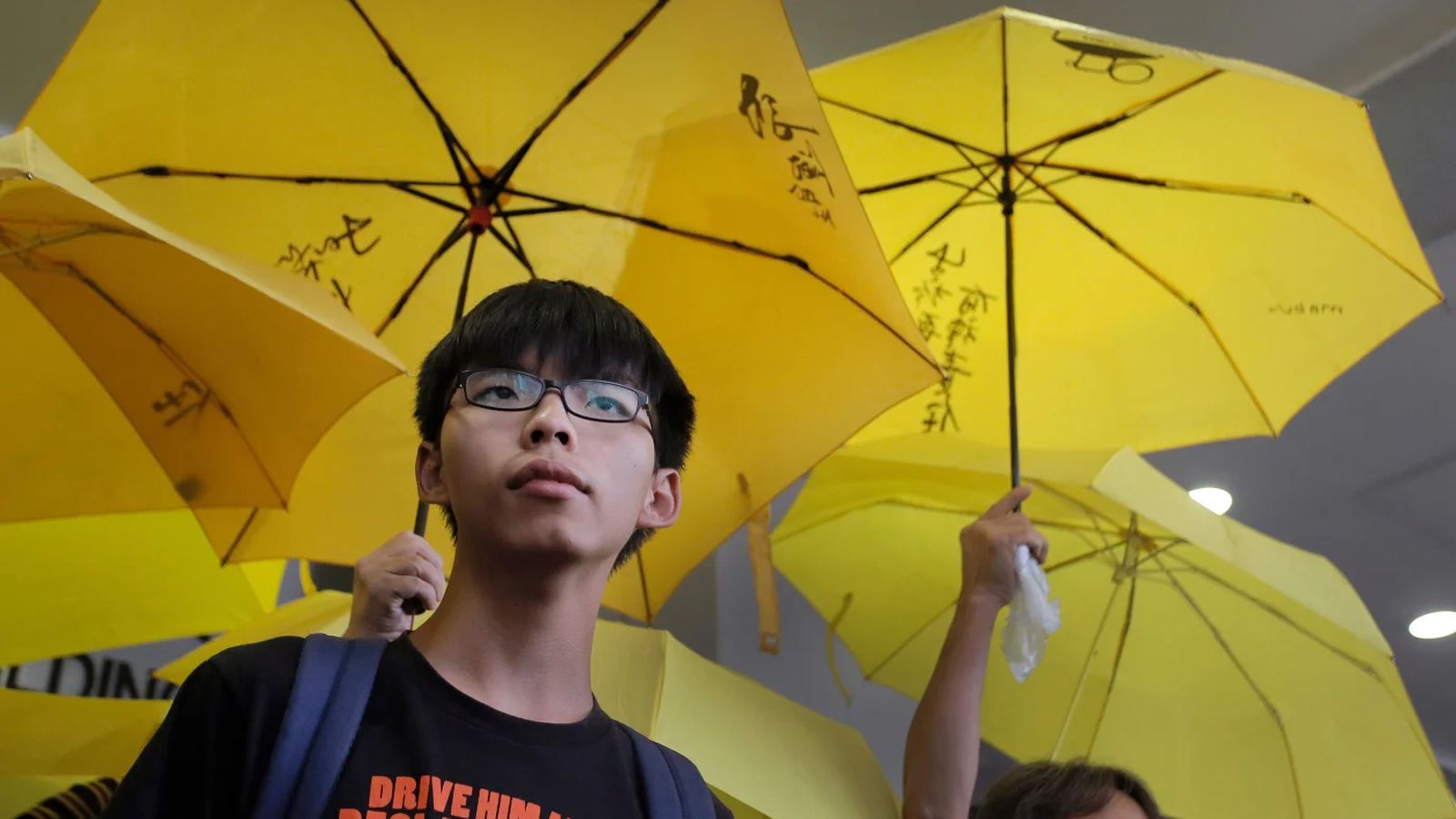
On November 5, 2026, a Hong Kong court sentenced prominent pro-democracy activist Joshua Wong to 10 years in prison. The ruling, delivered by Judge William Tam, stems from charges of conspiracy to collude with foreign forces under the territory’s Beijing-imposed national security law. As reported by NPR, the 30-year-old activist had pleaded guilty to the offense in September 2026. This sentencing significantly extends the time Wong will remain behind bars, as he was previously expected to be released in January 2027 after completing a separate sentence related to his participation in an unofficial primary election.
During the sentencing hearing, Judge Tam rejected arguments that Wong’s role in the alleged conspiracy was minor. The court established a starting point of 13 years, which was subsequently reduced to 10 years in recognition of Wong’s guilty plea. While the sentences for his two national security convictions will run concurrently, the new 10-year term ensures that his incarceration will continue well into the next decade. Wong, who has already spent approximately six years in custody, appeared calm during the proceedings, nodding to supporters and thanking them before being returned to detention, according to BBC.
Legal Strategy and Political Stakes
The prosecution’s case against Wong centered on his advocacy efforts between 2016 and 2019. Authorities alleged that Wong, alongside other activists, lobbied international actors to impose sanctions and other adverse measures against Hong Kong and China. The court pointed to meetings Wong held with foreign politicians, such as former U.S. House Speaker Nancy Pelosi and Senator Marco Rubio, as evidence of his intent to endanger national security. Prosecutors argued that even after the national security law was enacted in 2020, Wong continued to facilitate these efforts through social media and foreign media outlets to draw global attention to the city’s political situation.
Legal experts and rights observers interpret this case as a strategic move by authorities to keep influential opposition figures incarcerated indefinitely. Eric Lai, a research fellow at the Georgetown Center for Asian Law, noted that national security charges can be “repeatedly weaponized” to ensure that specific political figures remain in custody if the government deems it necessary. By stacking these charges, authorities effectively neutralize the leadership of the 2014 and 2019 protest movements, preventing them from returning to the public sphere or continuing their advocacy.
The Chilling Effect on Civic Dissent
Wong’s imprisonment is emblematic of the broader transformation of Hong Kong’s civil society. Since the implementation of the national security law, the city has seen the dissolution of numerous civil society groups, the closure of media outlets critical of the government, and the restriction of public participation in elections. Supporters of Wong view him as a symbol of a generation that sought democratic self-determination, while the pro-Beijing camp and government officials maintain that the security law is essential for restoring stability following the intense protests of 2019.
Despite the severity of the legal actions against him, Wong’s influence remains a point of contention. Earlier in 2026, pro-Beijing media outlets criticized a Netflix documentary featuring Wong, labeling it as “beautifying” his activities. The city’s security bureau confirmed it was reviewing the matter, yet the documentary saw a surge in popularity in Hong Kong, suggesting that interest in the activist and his political history persists despite his physical isolation. For his legal team, the priority remains seeking a sentence that allows for some prospect of future release, though the current judicial trend points toward prolonged confinement for leading activists.