


The Escalation at Sea: Seizures and Sunken Vessels
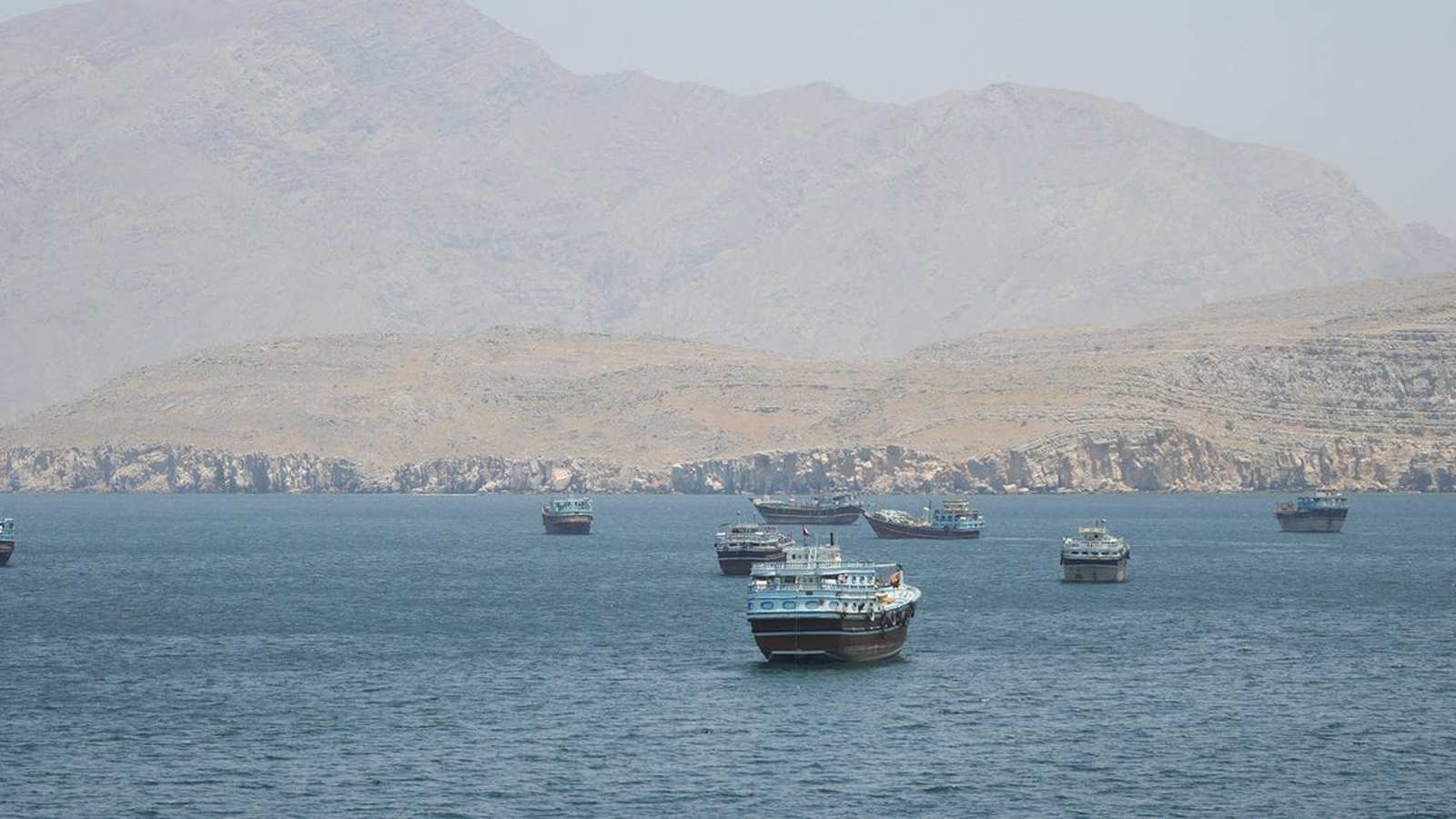
The strategic Strait of Hormuz has descended into a state of tactical volatility following the seizure of a commercial vessel off the coast of the United Arab Emirates and the sinking of an Indian-flagged ship near Oman. According to the United Kingdom Maritime Trade Operations (UKMTO), a ship was boarded by ‘unauthorized personnel’ while at anchor 38 nautical miles northeast of Fujairah on Thursday and was subsequently redirected toward Iranian territorial waters. This incident followed closely on the heels of an attack on an Indian-flagged wooden cargo vessel, which caught fire and sank in Omani waters after a suspected missile or drone strike.
These developments represent a sharp escalation in maritime aggression, directly contradicting the diplomatic rhetoric emanating from Beijing. While the Omani Coast Guard successfully rescued all 14 crew members from the Indian vessel, the seizure off Fujairah underscores the persistent vulnerability of commercial shipping in the world’s most critical energy chokepoint. The Strait, which typically facilitates one-fifth of the world’s liquefied natural gas (LNG) and oil shipments, is currently the site of a high-stakes tug-of-war between Iranian naval forces and a U.S.-led blockade.
The Beijing Consensus vs. The Persian Reality
The maritime crisis coincides with a landmark summit between U.S. President Donald Trump and Chinese President Xi Jinping in Beijing. A White House readout confirmed that both leaders agreed the Strait of Hormuz ‘must remain open’ to support the free flow of energy. President Trump noted that Xi Jinping offered to assist in mediating a deal with Iran, emphasizing that China, as a primary purchaser of Middle Eastern oil, has a vested interest in regional stability. ‘President Xi would like to see a deal made,’ Trump told Fox News, adding that Xi pledged not to provide military equipment to Tehran.
However, the reality on the water suggests a disconnect between superpower diplomacy and Iranian tactical objectives. Even as the Beijing summit progressed, Iran’s semi-official Fars News Agency reported that Tehran has begun implementing a ‘coordination’ regime. Under this new mechanism, vessels are required to submit cargo details and route plans to the ‘Persian Gulf Strait Authority’—an Iranian-led entity. While China has successfully negotiated the passage of some of its tankers, other commercial vessels remain subject to seizure or redirection if they do not comply with Iranian naval commands.
Economic Fallout and the Military Response
The continued instability in the Strait is already manifesting in global economic data. U.S. retail sales growth slowed to 0.5% in April, a significant drop from March’s 1.6%, as rising gasoline prices drained consumer discretionary spending. Treasury Secretary Scott Bessent, speaking from Beijing, emphasized that the reopening of the Strait is ‘very much’ in China’s interest, noting that the ‘decapitation’ of several layers of Iranian leadership has made communication and negotiation with Tehran increasingly difficult.
On the military front, U.S. Central Command (CENTCOM) has adjusted its strategy to preserve high-end munitions. Admiral Brad Cooper told the Senate Armed Services Committee that American forces have transitioned to lower-cost munitions to intercept Iranian drones, preserving advanced interceptors for more significant threats. While Cooper asserted that the U.S. possesses the military capability to ‘permanently reopen’ the Strait, he deferred to policymakers who are currently prioritizing peace negotiations between Israel and Lebanon as a potential gateway to broader regional de-escalation.
The Shadow of the IRGC and the ‘Toll’ System
Iranian Foreign Minister Seyed Abbas Araghchi maintains that the Strait remains open for commercial vessels, provided they ‘cooperate’ with the IRGC Navy. Reports from Iranian state media indicate that over 30 ships have transited the waterway since Wednesday night under this new coordination framework. Critics, however, view this as an illegal blockade and an attempt by Tehran to impose a sovereign ‘toll’ on international waters. The U.S. has countered with its own naval blockade on Iranian ports, having redirected 70 commercial vessels and ‘disabled’ four others to ensure compliance with sanctions.
The widening chasm between the ‘Open Water’ pact agreed upon in Beijing and the aggressive seizures occurring in the Gulf of Oman suggests that diplomatic consensus alone is insufficient to secure global energy routes. As Iran asserts a new ‘coordination’ authority over the Strait, the international community faces a binary choice: recognize Tehran’s de facto control over the waterway or risk a direct naval confrontation to restore the status quo of freedom of navigation.