


A Tactical Shift in Sanctions Enforcement
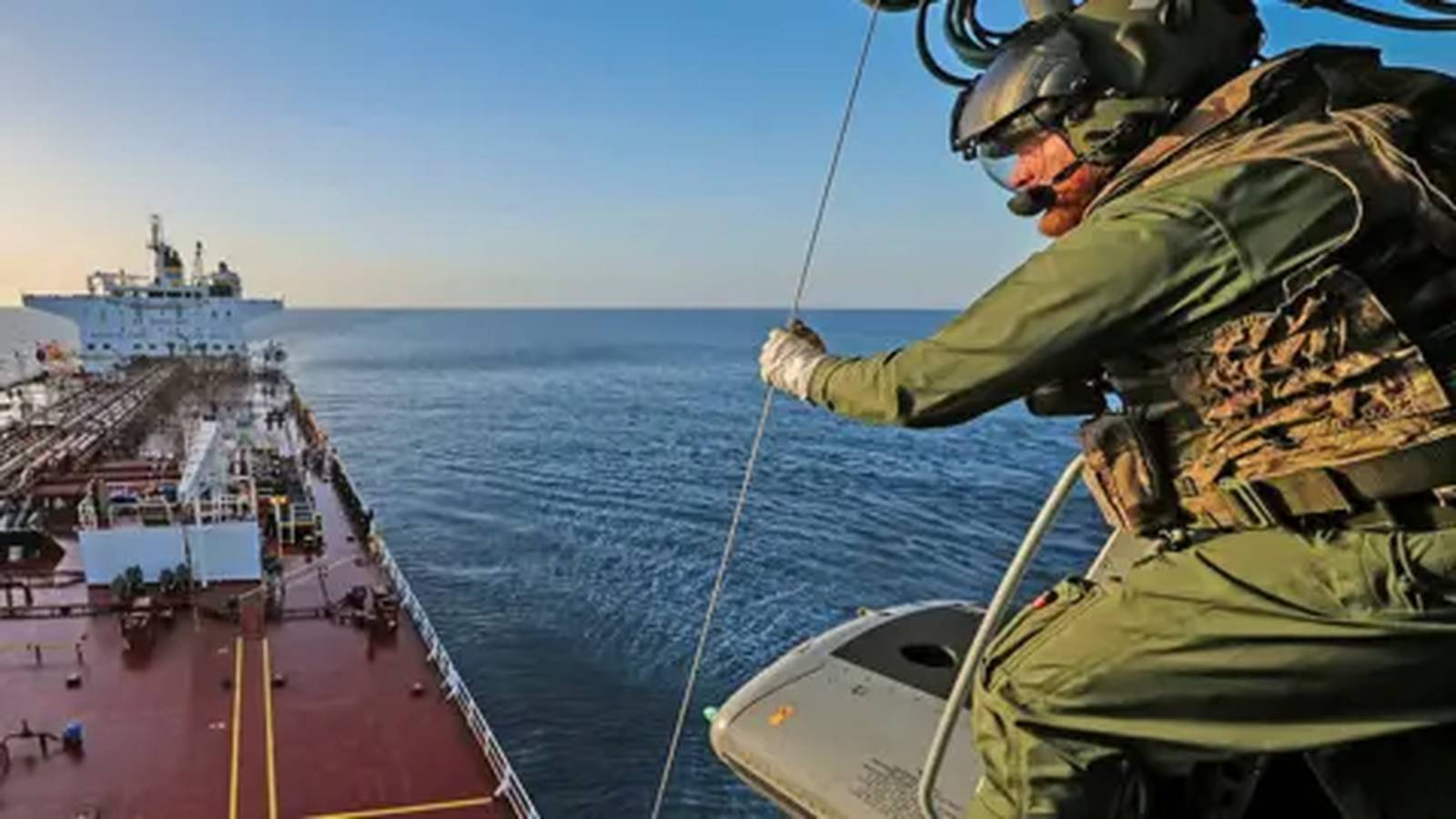
In a significant escalation of maritime enforcement, British Royal Marine Commandos and officers from the National Crime Agency (NCA) intercepted and boarded the Smyrtos, an oil tanker linked to Russia’s ‘shadow fleet,’ in the English Channel on Sunday, June 14, 2026. This marks the first time the UK has physically seized a vessel suspected of bypassing international energy sanctions.
Supported by the Royal Air Force (RAF), the six-hour operation involved armed personnel fast-roping from helicopters onto the vessel. The Smyrtos, sailing under a Cameroon flag, is currently being held and monitored off the coast of Weymouth. The Ministry of Defence (MoD) confirmed that the vessel had previously operated under the name Myrtos and had been subject to sanctions since July 2025.
The ‘Shadow Fleet’ Stakes
The operation represents a departure from the UK’s previous strategy, which had largely been limited to supporting French and US-led interceptions. Prime Minister Keir Starmer, who authorized the military to board sanctioned vessels in March, stated that the move serves as a direct blow to the financing of Russia’s war efforts in Ukraine. According to the MoD, the ‘shadow fleet’—a covert network of over 700 vessels—is responsible for transporting approximately 75% of Russia’s sanctioned oil exports.
Geopolitical and Legal Implications
The seizure of the Smyrtos follows similar actions by French naval forces, including the June interception of a tanker in the Atlantic. Russia has characterized these enforcement measures as ‘political fabrications’ and ‘piracy,’ with Foreign Ministry spokeswoman Maria Zakharova claiming that the term ‘shadow fleet’ is a tool for intimidating civilian shipping.
This intervention occurs against a backdrop of domestic political strain in the UK regarding defense spending. The government is currently navigating internal dissent over its Defence Investment Plan, with high-profile resignations—including former Defence Secretary John Healey—highlighting concerns that current funding levels are insufficient to meet the rising maritime and geopolitical threats posed by Russia and other global actors.