


Congressional Referral and Allegations
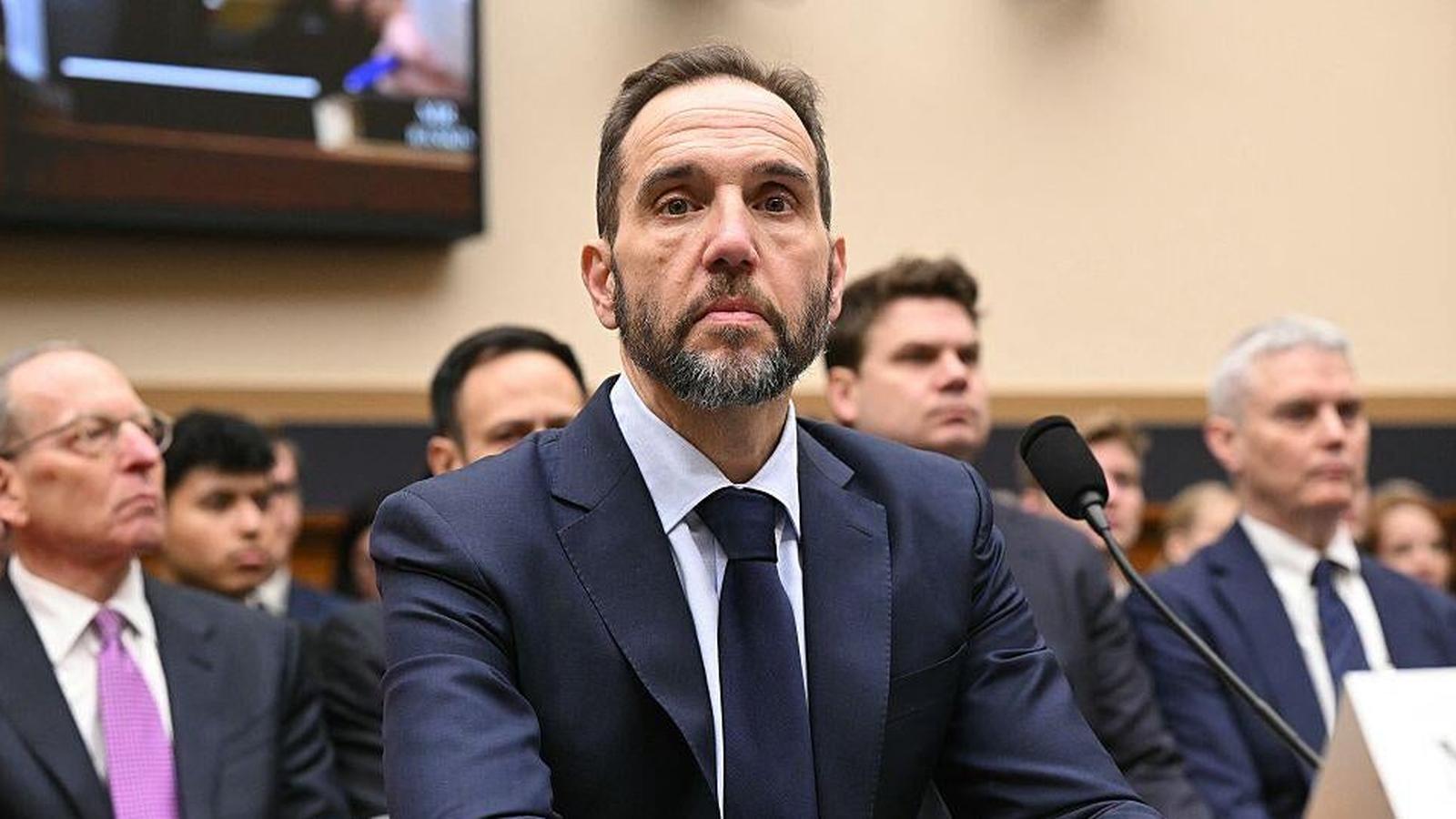
The Chairman of the House Judiciary Committee, Rep. Jim Jordan (R-Ohio), has formally referred former special counsel Jack Smith to the Department of Justice for a potential criminal investigation. The referral, submitted Wednesday, alleges that Smith provided “willfully and intentionally false statements” during his December 2024 congressional deposition concerning the scope of his investigations into President Donald Trump.
At the center of the dispute is whether Smith’s team sought or reviewed the content of text messages belonging to members of Congress. During his testimony, when asked if he had sought a search warrant for the content of text messages from members, Smith responded, “No, I don’t recall that.” The Committee now argues that internal documents obtained by the Senate Judiciary Committee prove that Smith’s team did, in fact, review text messages sent by 44 members of Congress, which had been obtained from the National Archives.
The Legal and Procedural Conflict
Republicans on the House Judiciary Committee assert that Smith’s failure to disclose these actions while under oath constitutes a material misrepresentation. Rep. Jordan stated that Smith provided “half-truths” and that his testimony impeded the committee’s oversight of the Justice Department. Senate Judiciary Committee Chairman Chuck Grassley (R-Iowa) has supported this push, arguing that the investigative team bypassed critical “Filter Team” protocols designed to protect privileged information under the Constitution’s Speech and Debate Clause.
In response, attorneys for Smith, Peter Koski and Lanny Breuer, dismissed the referral as a “meritless” attempt to harass a former public servant. They maintain that Smith testified truthfully, noting that the specific questions asked during his deposition focused on toll records—which track metadata like call duration and numbers, but not message content—rather than the broader records obtained from the National Archives. They argue that Smith was under no obligation to volunteer information that was not directly requested by the committee.
Stakes and Political Context
The Justice Department has confirmed receipt of the referral, with a spokesperson stating that the agency “will investigate all evidence of criminal conduct.” However, legal experts note that such congressional referrals hold no legal force and do not compel the Department of Justice to initiate prosecution. The move is viewed by many as a symbolic escalation in the ongoing political friction between President Trump’s allies and the former special counsel who oversaw the high-profile investigations into the 2020 election and the handling of classified documents.
Rep. Jamie Raskin (D-Md.), the ranking member of the House Judiciary Committee, labeled the referral “baseless and vindictive,” arguing that Republicans are attempting to criminalize a witness for not anticipating questions that were never asked. The standoff reflects broader tensions over the perceived “weaponization” of federal law enforcement, a recurring theme in the rhetoric surrounding the Trump-era investigations.