

Quick Read
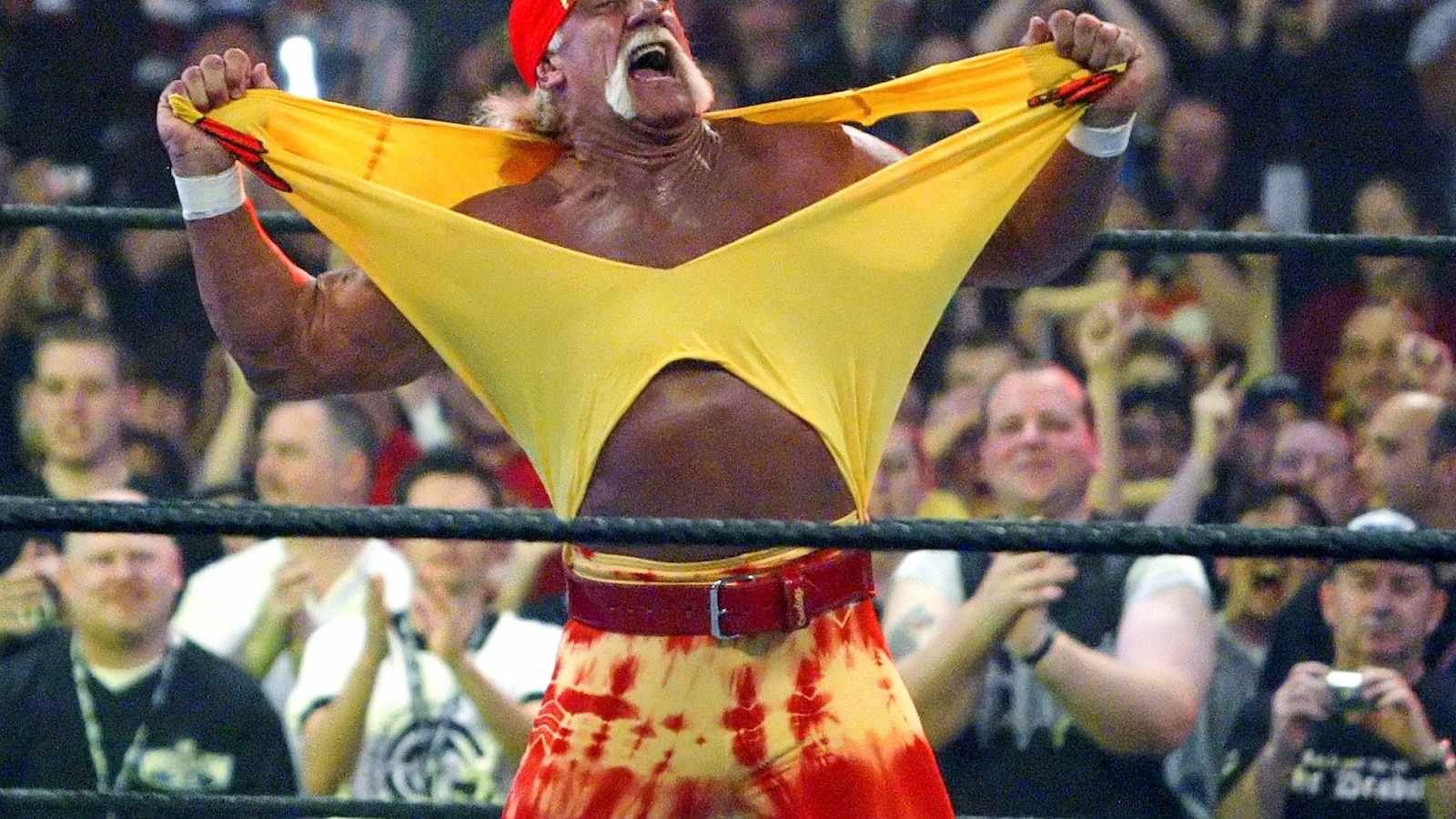
- Hulk Hogan (Terry Bollea) died on July 24, 2025, at age 71.
- The Clearwater Police Department investigation officially concluded that he died of natural causes.
- Medical records confirmed he suffered from leukemia, pneumonia, heart rhythm issues, and kidney failure.
- The case is closed and considered non-criminal, despite previous speculation raised by the family.
Official Findings and Case Closure
The Clearwater Police Department has released a comprehensive 72-page report, officially closing the investigation into the death of professional wrestling icon Terry Bollea, professionally known as Hulk Hogan. Bollea, 71, died on July 24, 2025. Following an exhaustive review of medical records, surveillance footage, and witness statements, authorities have concluded that there is no evidence of criminal wrongdoing, ruling the death as resulting from natural causes.
According to the report, Bollea was suffering from multiple severe health conditions at the time of his passing, including chronic lymphocytic leukemia, pneumonia, an irregular heart rhythm (atrial fibrillation), and kidney failure. Surveillance footage from his home shows that on the day of his death, he had been assisted by a home health aide before losing consciousness. Despite immediate CPR efforts performed by his wife, Sky Daily Hogan, the home health aide, and an occupational therapist, he was pronounced dead shortly after being transported to the hospital.
Family Concerns and Investigative Context
The conclusion of the investigation follows months of public speculation, fueled in part by comments made by Bollea’s daughter, Brooke Hogan. In the months following her father’s death, Brooke publicly alleged that she had been contacted by medical and law enforcement professionals who suggested that available evidence, including body camera footage and 911 recordings, might warrant a more detailed inquiry. She expressed frustration regarding her limited legal standing to influence the investigation, noting that control over such matters rested with Bollea’s spouse.
The police report addresses these concerns by clarifying inconsistencies in early statements. Specifically, initial speculation regarding potential damage to the phrenic nerve during a prior surgery—which had been raised by an occupational therapist—was later retracted by that individual, who attributed the initial comments to the stress of performing emergency life-saving measures.
Legacy and Institutional Scrutiny
The formal closure of the case serves as the final chapter in the life of a figure who transformed the landscape of professional wrestling. From his historic main-event status at the inaugural WrestleMania in 1985 to his complex legacy involving both immense fame and personal controversy, Bollea’s death became a subject of intense public interest. The medical examiner’s determination, corroborated by a private autopsy commissioned by the family, found no evidence of toxicological or traumatic factors that would contradict the medical history of cardiac and systemic failure. With the release of this final report, the Clearwater Police Department has designated the case as solved and non-criminal, aiming to settle the administrative and legal uncertainty surrounding the wrestling legend’s passing.