


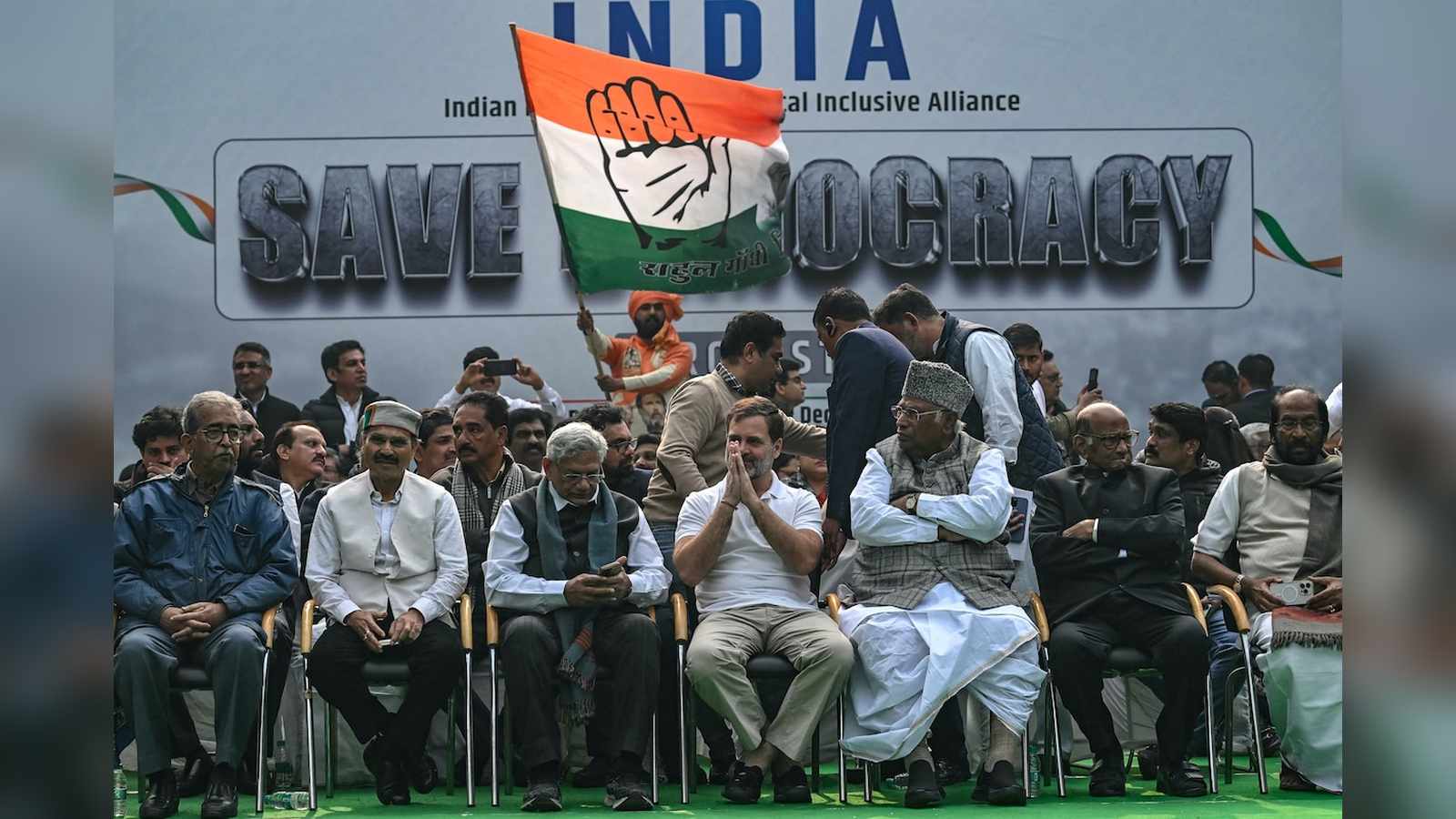
Escalating Confrontation in New Delhi
Thousands of protesters, led by senior Congress Party figures Rahul and Priyanka Gandhi, marched toward India’s Supreme Court on Monday to demand the immediate resignation of Chief Election Commissioner Gyanesh Kumar. The demonstration, which saw heavy police intervention, marks a significant escalation in the opposition’s campaign against what they describe as the systematic compromise of India’s autonomous electoral institutions. According to Al Jazeera, more than 30,000 police officers were deployed across New Delhi to contain the march, resulting in a tense standoff at security barricades.
The Core Grievances
The opposition’s demand centers on allegations that Election Commissioner Gyanesh Kumar has repeatedly overruled fellow commissioners regarding the integrity of voter database revisions. Critics argue that since June 2025, the commission has removed over 130 million names from electoral rolls, a move they contend has disproportionately disenfranchised minority and vulnerable populations. Opposition leaders, including Rahul Gandhi, have publicly accused the commission of sabotage, alleging these actions serve the electoral interests of Prime Minister Narendra Modi’s Bharatiya Janata Party (BJP). The government and the BJP have consistently denied these allegations.
Tactical Shifts and Public Unrest
The protest movement has evolved significantly since the summer, when student-led groups, notably the “Cockroach” movement, successfully pressured the government into removing then-Education Minister Dharmendra Pradhan. Analysts observe that the current demonstrations have transitioned from youthful, humor-driven activism to a more serious, broad-based political confrontation. With the government imposing strict security lockdowns and frequent detentions, organizers have adopted “guerrilla” tactics, including flash rallies at unannounced venues to evade police blockades.
Political analyst Asim Ali noted that the movement’s shift toward opposition-led, front-facing protests indicates a critical juncture in Indian civil politics. While the government has demonstrated a willingness to use force to prevent disruptions in the central administrative and business hubs of New Delhi, the persistence of the protesters suggests that the political cost for the administration is rising. Despite the heavy security presence, the opposition has confirmed that their demand for Kumar’s resignation remains unchanged as they weigh their next organizational moves.