


Wendy Williams: Life Behind Locked Doors in Assisted Living
Wendy Williams, once the queen of daytime talk, now finds herself confined to a world far removed from the vibrant studios where she built her legacy. Her residence: a $25,000-a-month assisted living facility in Hudson Yards, New York City. The place, known as Coterie, is marketed as a haven for the elite, but Williams has called it a ‘dump,’ voicing her frustrations about her living conditions and the strict guardianship that governs her every move.
In a rare phone interview with The Cut, Williams shared candid details of her day-to-day reality. She resides on the memory care floor—a locked unit where leaving requires permission from both Coterie and her court-appointed guardian. Without a personal cell phone, she relies on a landline for outgoing calls and an iPad, allowed by a judge, to stay connected to the outside world. “Did you see the people? The elderly people? Why do I want to look at that? This is a f—-d-up situation. I can’t tell you how many times I’ve asked that I be moved from this floor,” Williams told the reporter, her frustration palpable.
The facility itself is lavish on paper—marble floors, fresh lilies, a crystal chandelier, 24/7 nursing, a spa, a hair salon, and even a private movie theater. But beneath the surface, Williams describes a place that feels restrictive and isolating. On her floor, there are no locks on apartment doors and no stoves or refrigerators, all in the name of safety. The air is tinged with the scent of Febreze, a detail noted by the visiting reporter. Yet, there’s a gym, and Williams was spotted working out on the treadmill, her trademark blonde wig in place, looking “good” according to the observer.
The Cost of Care: Financial and Emotional Toll
Williams’ stay at Coterie comes with a steep price tag—not just the $25,800 monthly unit fee, but also the costs of her guardianship lawyer, her guardian Sabrina Morrissey’s fees, and her own legal retainer, reportedly $10,000 a month. These mounting expenses have raised concerns in court about her finances. In 2024, Morrissey sold Williams’s 2,400-square-foot apartment, reportedly at a loss. At some point, Morrissey also rehomed Williams’s two beloved cats, further underscoring the disruption in her personal life.
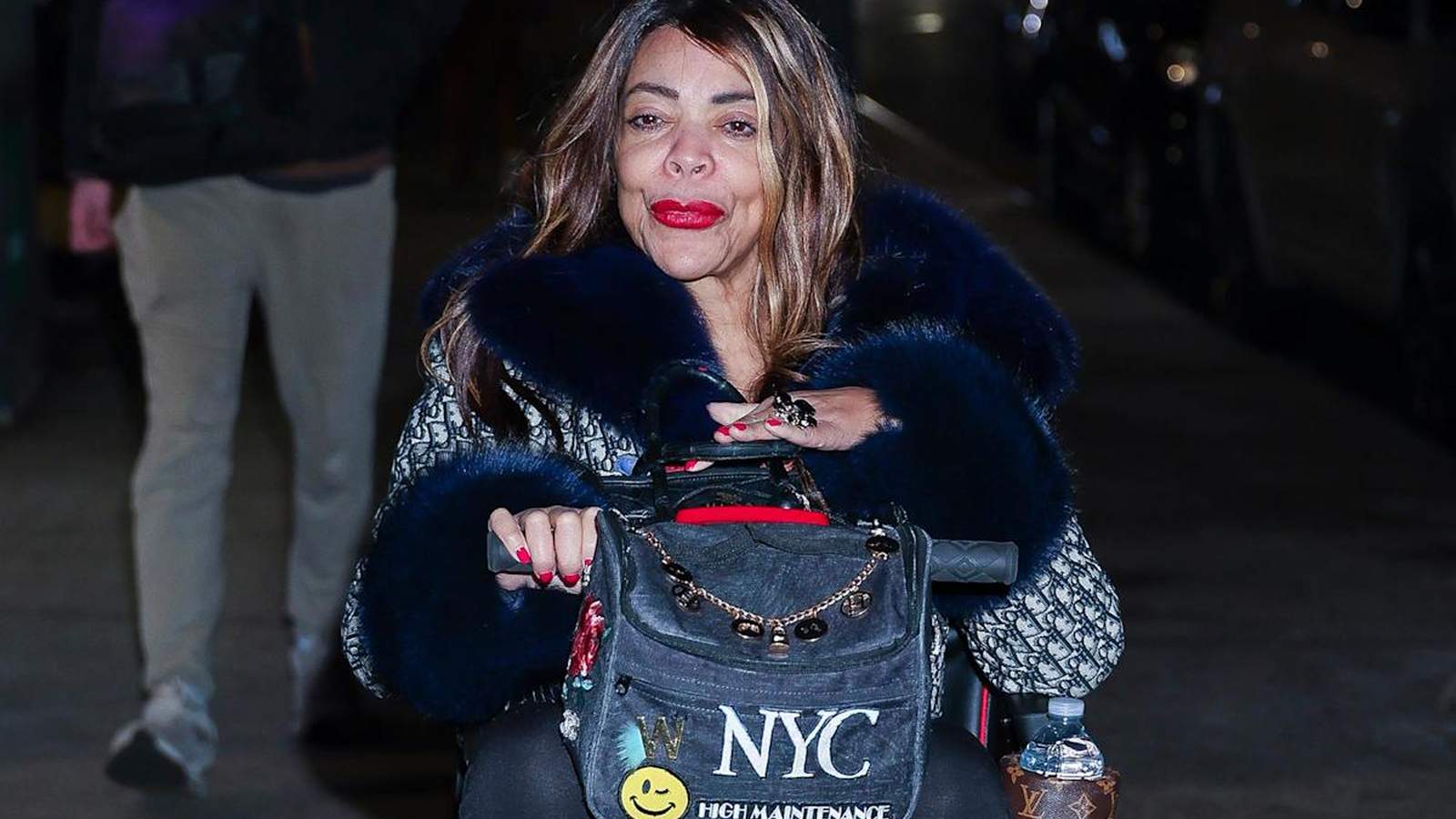
Her estate shoulders all these costs, while Williams herself remains largely out of the public eye. Yet, in recent months, she’s made appearances—most notably at New York Fashion Week and attending a “megachurch” in Brooklyn, which she credits with helping her stay connected to her faith and herself. “You know I’ve been out. So obviously I do go out,” she said, hinting at her persistent desire for independence.
Guardianship Under Fire: Family and Friends Speak Out
Williams’ guardianship, imposed in 2022, has drawn criticism from her inner circle. Her ex-husband, Kevin Hunter, filed a lawsuit in June, alleging that Williams is competent and calling the guardianship “fraudulent bondage.” Hunter demanded that Morrissey be fired, and sought $250 million in damages to be split between himself and Williams. According to sealed court documents, Hunter had previously received $37,500 per month in alimony, a stream that dried up when the guardianship began. The lawsuit was ultimately thrown out in October, though Hunter may refile an amended complaint.
Williams’ son, Kevin Hunter Jr., 25, expressed his desire to avoid drama but wants his mother freed. “I just want her to get out of this. Because it’s not right,” he told The Cut. Williams’ brother, Tommy Williams, publicly advocated for her release, stating, “She is in great shape mentally and physically. Let her out.” Former producer Suzanne Bass echoed these sentiments, describing the guardianship as “terrible” and noting that Williams “sounds the best she has sounded in years.”
Health Challenges: Dementia, Aphasia, and Denial
In February 2024, Williams’s team announced she had been diagnosed with progressive aphasia and frontotemporal dementia (FTD). The decision to go public was, according to her representatives, meant to foster understanding and compassion, and to raise awareness for others facing similar diagnoses. Yet, Williams herself has continued to deny having dementia, insisting she is “better than good.” During a recent public outing, she declared, “I am fabulous. I’m better than good, but have been accused to being otherwise. I am very much alive. I deserve freedom, darling.”
Despite her health challenges, those close to Williams report that she remains mentally sharp and emotionally resilient. Friends and family describe her conversations as rhythmic and her mindset as open. A source told Us Weekly in January, “She’s still Wendy.”
The Road Ahead: Uncertainty and Hope
The future remains uncertain for Wendy Williams. A new medical report is expected soon, which could lead the overseeing judge to reaffirm the guardianship, ease restrictions, replace Morrissey, or remove the guardianship altogether. According to sources, a complete removal is unlikely.
Williams continues to use her iPad to listen to old radio shows and keep up with news about herself. Even as she navigates the restrictions and challenges of her current life, her resilience and spirit shine through. The debate over her autonomy—whether she is being protected or unjustly confined—remains unresolved, echoing broader questions about how society treats those with complex health needs and public personas.
The story of Wendy Williams is more than a celebrity headline; it is a nuanced portrait of vulnerability, agency, and the struggle for dignity within a system that often prioritizes risk management over individual will. As her supporters call for change, her case spotlights the tension between protection and autonomy—a dilemma faced by many, famous or not.