


Military Escalation in the Strait of Hormuz
On November 13, 2026, the Iranian military announced that it had successfully intercepted and shot down a U.S. MQ-1 Predator drone near the coastal city of Kuhestak, located along the Strait of Hormuz. The claim, reported by the semi-official ISNA news agency, included photographs purportedly showing the wreckage of the downed aircraft. The Iranian Army Public Relations Office stated that their newly deployed air defense systems were responsible for the strike, asserting that the nation would not hesitate to defend its territorial integrity and maritime borders.
The United States military has not yet provided an official comment regarding the status of its assets in the region or confirmed the loss of the drone. This incident adds a layer of kinetic volatility to an already strained relationship, as Tehran continues to challenge U.S. presence in the Persian Gulf while simultaneously navigating a high-stakes standoff with international nuclear regulators.
IAEA Access Denied at Isfahan
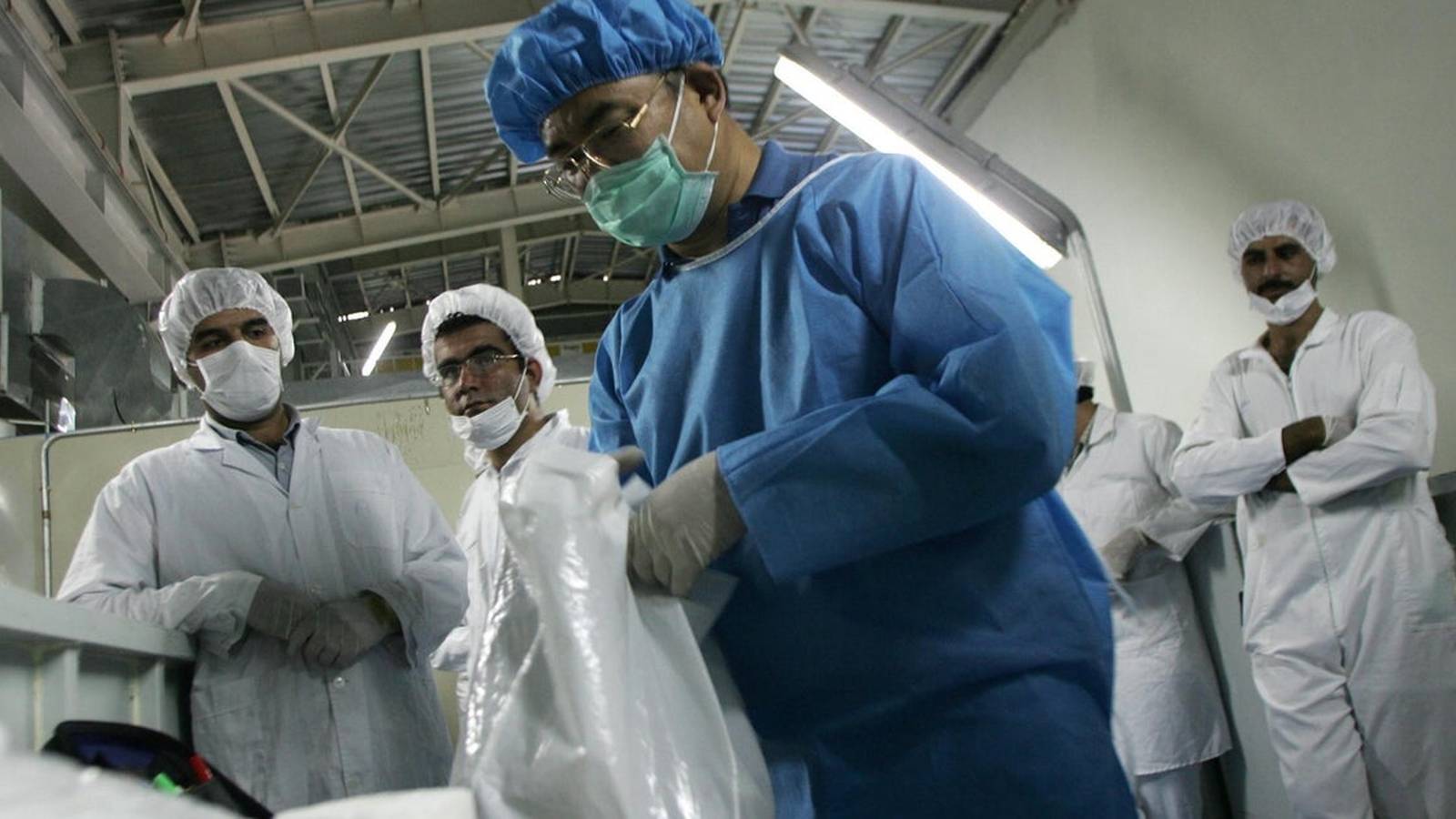
Parallel to the reported military engagement, the International Atomic Energy Agency (IAEA) has expressed mounting alarm over Iran’s continued refusal to grant inspectors access to an underground uranium enrichment facility in Isfahan. The U.N. nuclear watchdog remains concerned that the facility is being used to bury highly enriched uranium, a development that would mark a significant escalation in Iran’s nuclear program. The lack of transparency at this site has heightened fears among international monitors regarding the potential for rapid weaponization if enrichment levels continue to climb without oversight.
Diplomatic Stagnation and Presidential Stance
The diplomatic horizon appears increasingly bleak, with President Donald Trump explicitly dismissing the necessity of a formal agreement to end the ongoing conflict. On Thursday, November 12, President Trump stated, “We don’t need a deal with Iran,” and reportedly directed Vice President JD Vance to shift administrative focus toward domestic political priorities. Despite claiming earlier in the week that the U.S. had achieved a measure of victory, the President acknowledged that the conflict remains active, characterizing the timeline for its conclusion as a matter of U.S. strategic choice rather than immediate necessity.
Reports from Tehran suggest that Iranian negotiators are attempting to leverage third-party influence to break the diplomatic deadlock. An Iranian chief negotiator informed Al Jazeera on Thursday that Iranian officials have reached out to Russian President Vladimir Putin, requesting that he facilitate direct or indirect negotiations between Washington and Tehran. The White House has maintained silence on these reported overtures.
Energy Market Dynamics
Amidst the geopolitical turmoil, the International Energy Agency (IEA) provided a rare optimistic data point in its November report: global oil supplies are finally beginning to outpace demand for the first time since the outbreak of the war. According to the IEA, observed oil inventories rose by 52 million barrels in October as Gulf exports recovered faster than global consumption patterns. While this shift suggests a tentative rebalancing of the energy market, the agency cautioned that the recovery remains fragile. Continued attacks on shipping lanes and threats to maritime security in the Gulf pose significant downside risks to this forecast, potentially undermining the stability of the global oil supply chain heading into 2027.