


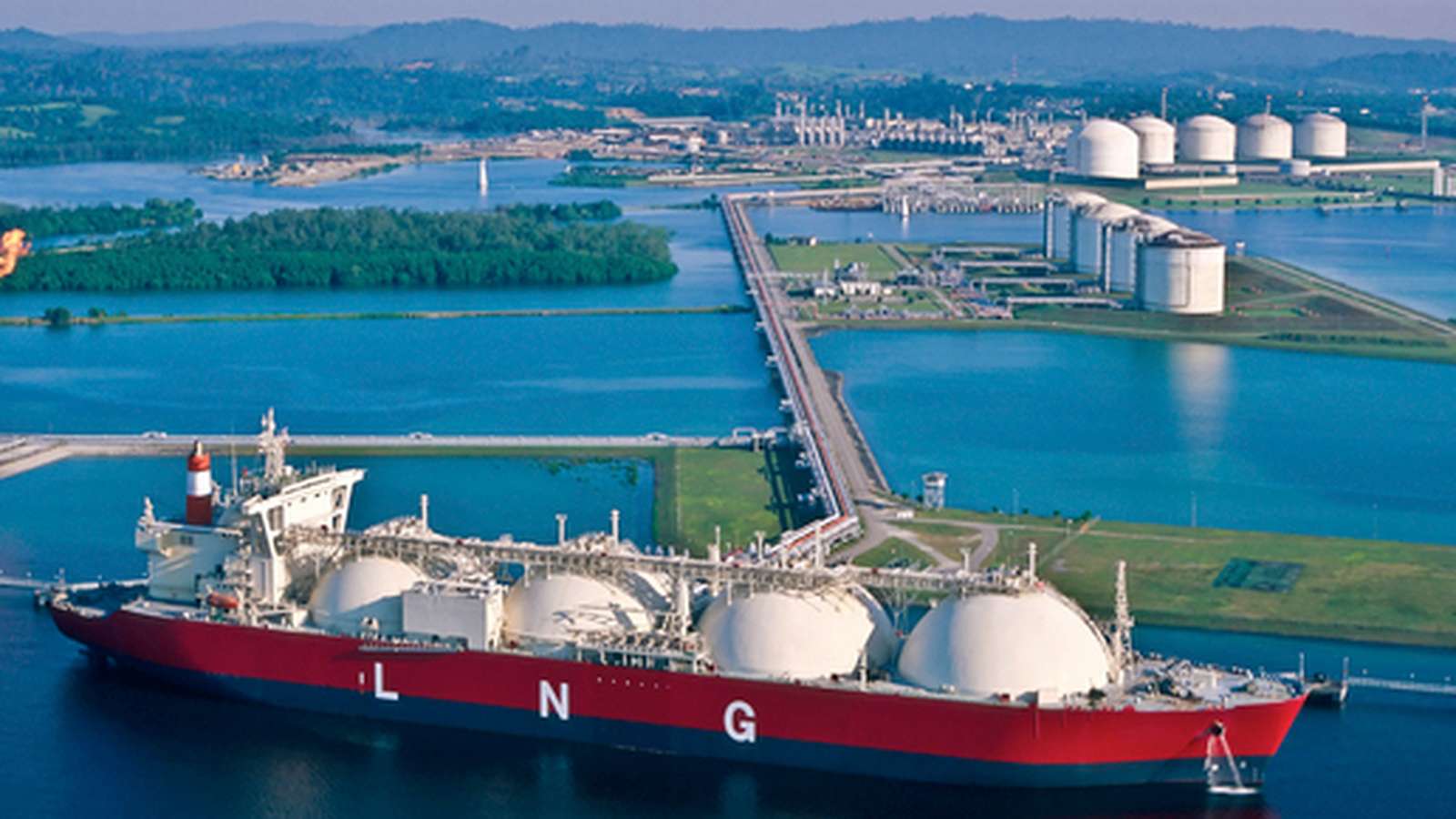
BRUSSELS (Azat TV) – Global liquefied natural gas (LNG) markets are experiencing immediate price volatility and supply concerns following recent military strikes against Iran by the United States and Israel, which have severely disrupted shipping through the critical Strait of Hormuz. Simultaneously, European energy companies are intensifying efforts to secure long-term LNG supplies, exemplified by a new agreement between Swiss-based MET Group and Shell, underscoring Europe’s strategic drive for energy diversification amidst heightened geopolitical risks.
The conflict, which began with strikes on February 28, 2026, has brought shipping through the Strait of Hormuz to a near standstill. This vital chokepoint handles approximately 20% of global LNG trade, including all exports from major producers Qatar and the United Arab Emirates. The immediate market reaction was significant, with European gas prices spiking by about 20% on March 2, reflecting deep concerns over potential supply curtailments, according to analysis from Bruegel.
Middle East Conflict Rattles Global LNG Markets
The military actions against Iran have reopened a critical energy-security issue: the potential for prolonged disruption of Middle Eastern oil and gas flows. While Europe is less dependent on Gulf oil and LNG than Asian economies, the global nature of these markets means any blockage in the Strait of Hormuz triggers immediate price spikes that affect all buyers. This dynamic was evident on March 2, when oil prices also surged around 8%.
Europe’s most pronounced vulnerability lies in its reliance on LNG. Should flows through the Strait of Hormuz be significantly curtailed, global spot availability would tighten immediately. This scenario would force Europe to compete with high-demand Asian buyers for flexible cargoes on the spot market, a situation reminiscent of the energy crisis between 2021 and 2023. Compounding this vulnerability, Europe began 2026 with significantly lower gas storage levels—46 billion cubic meters (bcm) at the end of February, compared to 60 bcm in 2025 and 77 bcm in 2024—making it particularly susceptible to price increases and supply challenges during refill operations.
Europe’s LNG Vulnerability and Strategic Diversification
In response to both immediate and long-term energy security concerns, European entities are actively seeking to diversify their gas supply sources. On March 2, 2026, MET International AG, the trading and wholesale arm of the integrated energy company MET Group, and Shell Global LNG Limited (Shell) signed a non-binding Memorandum of Understanding (MOU). This agreement aims to expand their existing long-term cooperation in LNG and gas trading, focusing on enhancing Europe’s security of gas supply, as reported by Euro-Petrole.
The MOU outlines a framework for the potential sale by Shell and purchase by MET of approximately 0.5 million tonnes per annum (mtpa) of LNG between 2027 and 2033. This supply will primarily originate from Shell’s US LNG portfolio and be delivered to various European regasification facilities. The companies also plan to explore cooperation in LNG and gas trading to facilitate access to European markets through the Vertical Gas Corridor.
MET Group and Shell Bolster US LNG Supply to Europe
Huibert Vigeveno, Group CEO of MET Group, stated that the MOU represents a significant step in strengthening transatlantic energy ties and will contribute to enhancing the energy security of the European Union. MET Group, headquartered in Switzerland, operates in 22 countries and delivered LNG into 17 different markets in Europe and beyond in 2025, demonstrating its commitment to a geographically diverse LNG import portfolio.
This strategic cooperation aligns with broader European policymaker recommendations. Experts from Bruegel suggest that European governments should prepare contingency plans for a prolonged standoff in the Middle East. These plans include monitoring LNG markets for cargo diversions, preparing an EU-wide gas demand-reduction strategy, and coordinating gas storage refilling operations for the upcoming winter. The International Energy Agency is also considering whether to allow member states to use their 90-day equivalent oil stocks to stabilize markets, although the US is not currently considering releasing oil from its strategic petroleum reserve, indicating a belief that any price surge will be limited.
Long-Term Energy Security Amidst LNG Market Volatility
The renewed tensions in the Middle East serve as a stark reminder of Europe’s continued exposure to geopolitical shocks due to its reliance on imported fossil fuels traded on volatile global markets. While Europe has shifted its dependency from Russia to other suppliers, including the US, the fundamental vulnerability remains. Policymakers are being urged to accelerate, rather than backtrack on, the energy transition and the deployment of clean, domestically produced energy sources. This approach is seen as the most durable way to shield the European economy from recurrent external shocks and achieve the goal of lowering industrial energy costs, a core concern for EU leaders.
The current geopolitical instability and its immediate impact on LNG prices highlight the critical importance of Europe’s ongoing efforts to diversify its energy supply chains and invest in domestic renewable sources, reinforcing the strategic value of agreements like the MET-Shell MOU for long-term energy resilience.