


Negotiations for Humanitarian Access
The Iraqi government is engaged in direct talks with the United States to secure exemptions from a sweeping ban on Iranian airlines, a measure that has effectively paralyzed air travel between the two nations. The suspension, which took effect this week, has disrupted essential movement for patients seeking medical care, students, and pilgrims, according to a statement from the office of Prime Minister Ali al-Zaidi.
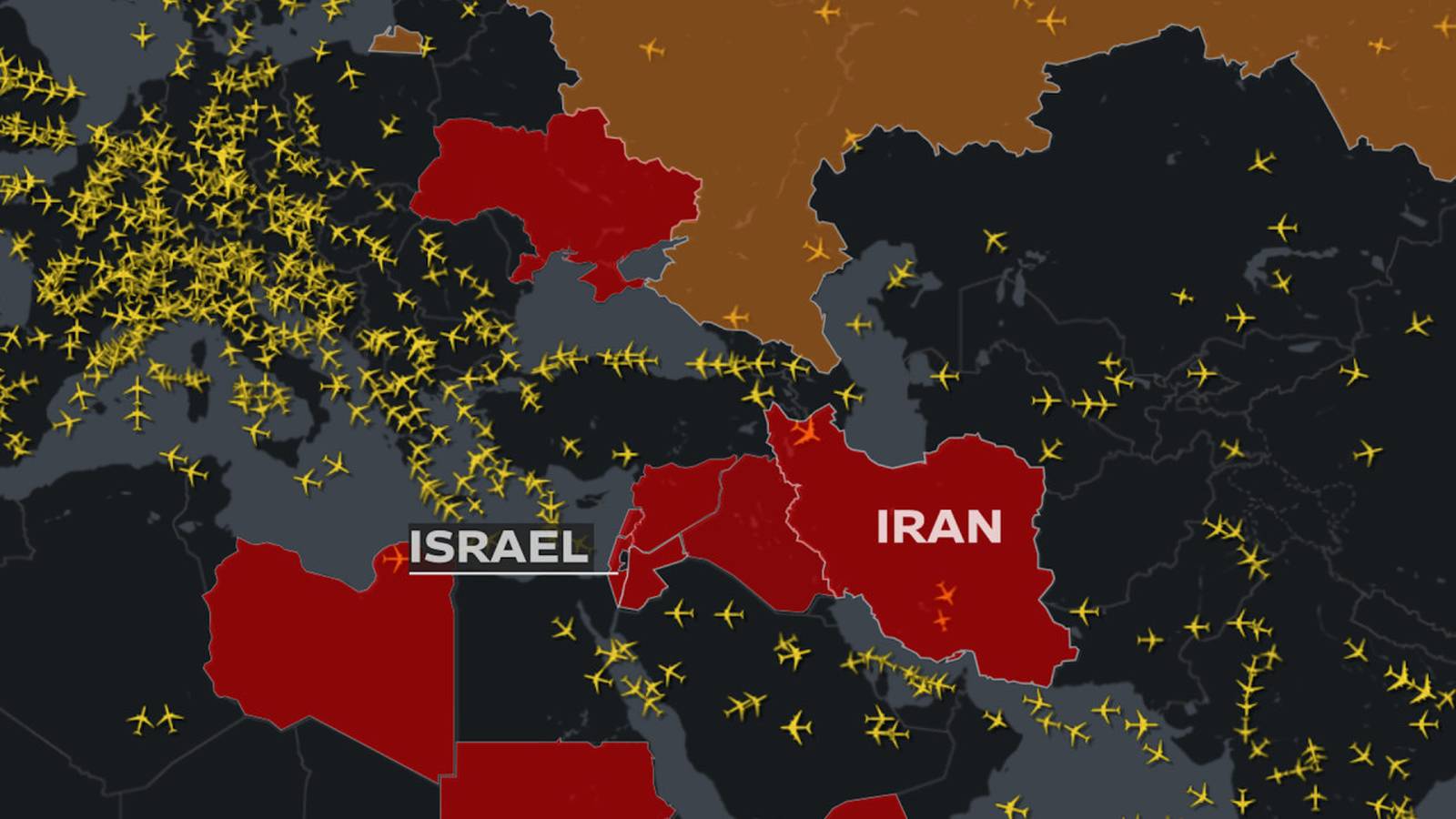
As part of the “Operation Economic Outcast” initiative, US Treasury Secretary Scott Bessent announced that Iranian airlines would face global operational shutdowns as of September 23. This directive forced Iraq—along with regional partners like the United Arab Emirates and Oman—to halt all flights to and from Iran to avoid secondary sanctions, as reported by Al Jazeera.
Impact on Critical Infrastructure and Travel
The ban has been implemented across major Iraqi transit hubs, including Baghdad, Erbil, Sulaimaniyah, and the holy city of Najaf. Najaf airport, which serves as the primary gateway for Iranian pilgrims visiting Iraq’s Shia shrines, has seen its daily volume plummet. Airport director Hussein Muhanna confirmed to the New Arab that a directive from the Prime Minister’s office mandated the halt, leaving only a fraction of scheduled international flights operational.
For thousands of civilians, the disruption translates into arduous travel alternatives. Passengers previously reliant on short-haul flights are now forced to undertake land journeys exceeding 12 hours. The Iraqi government’s media office emphasized that the requested exemptions are strictly for “humanitarian reasons, including medical treatment, education, religious visits, and for the interest of civilians.”
Geopolitical Squeeze
Iraq finds itself in a precarious position, attempting to balance its security and economic relationship with Iran against the pressure of US sanctions. While Baghdad has maintained a neutral stance in the broader regional conflict, the suspension highlights the limits of that neutrality. Observers note that the central government’s move to enforce the ban was a calculated step to avoid direct confrontation with Washington, despite the close religious and political ties between the two neighboring states.
As of late September, no timeline has been established for the potential exemptions. The Iraqi government has urged all parties to pursue dialogue, citing the need to prevent further escalation in a region already strained by ongoing conflict since the outbreak of hostilities in February.