


Quick Read
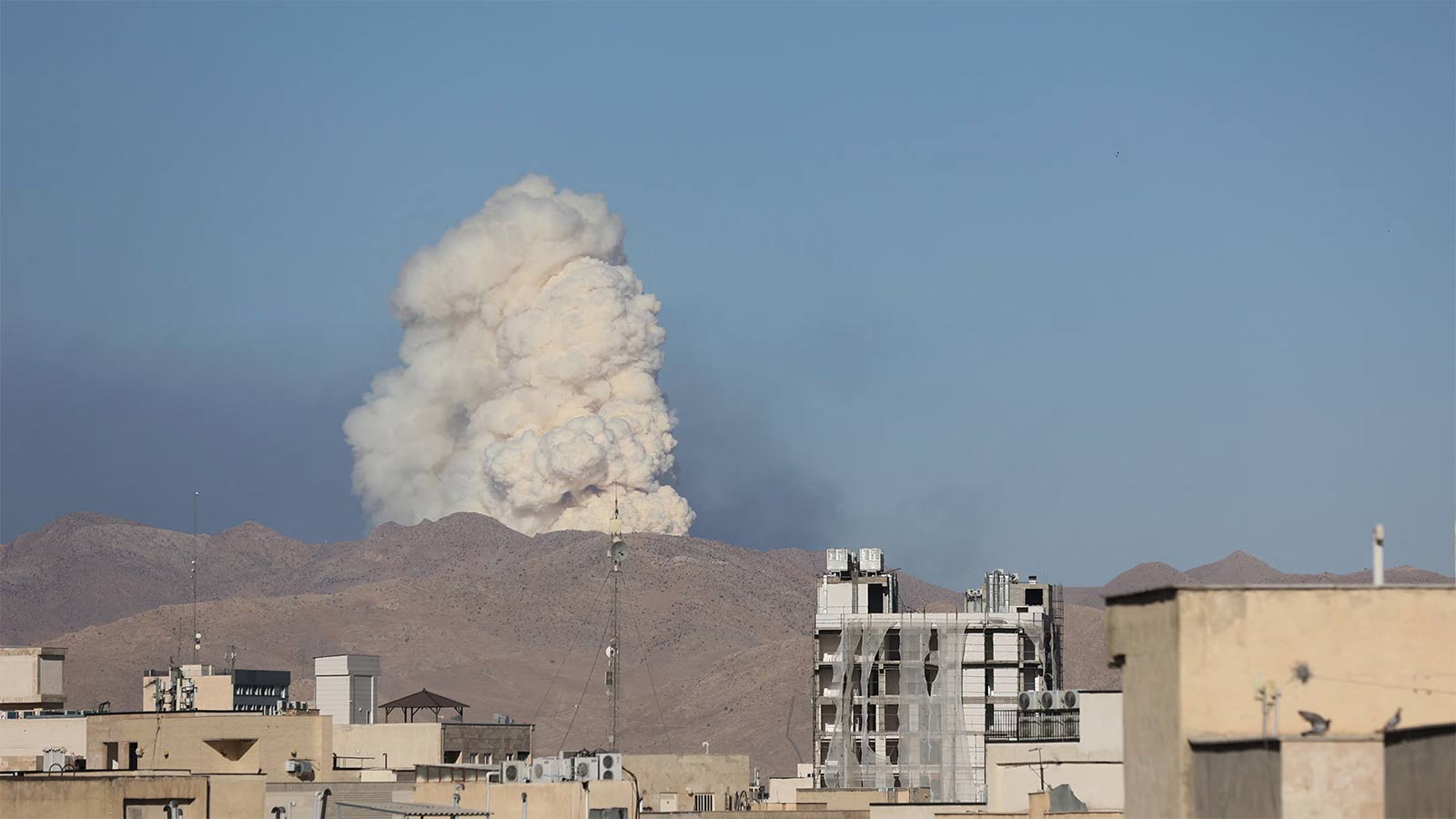
- Israel targeted Iran’s Natanz and Arak nuclear sites overnight.
- Arak’s Khondab reactor, partially built, was a key focus of the strike.
- Iran claims its nuclear program is for peaceful purposes.
- No casualties or radiation risks reported by Iranian officials.
In a significant escalation of tensions in the Middle East, Israel announced on Thursday that it had targeted nuclear sites in Iran’s Natanz and Arak regions overnight. The Israeli military stated that the strikes were aimed at disrupting Iran’s nuclear capabilities, which it claims are being used to develop weapons. Iran, however, maintains that its nuclear program is solely for peaceful purposes.
https://www.reuters.com/graphics/IRAN-NUCLEAR/ISRAEL/dwvklgrgjpm/2025-06-18/the-damage-to-iran-nuclear-programme/
Targeting Arak’s Khondab Reactor
The Arak nuclear reactor, now known as Khondab, was a primary target of the Israeli strikes. This partially built heavy-water research reactor has been a point of contention since its construction was halted under the 2015 nuclear deal between Iran and world powers. The reactor’s core was removed and filled with concrete to render it unusable, but Iran recently informed the U.N.’s nuclear watchdog of its plans to start operating the reactor in 2026. Heavy-water reactors like Khondab pose a significant nuclear proliferation risk due to their ability to produce plutonium, a key component in nuclear weapons.
Strikes on Natanz
Natanz, another key site in Iran’s nuclear program, was also targeted. This complex houses two uranium enrichment plants and has been previously struck by Israel during its ongoing aerial war with Iran. The Israeli military emphasized that the strikes were aimed at components and specialized equipment used in nuclear weapons development. Despite the attacks, Iranian officials reported no casualties or radiation risks, stating that the areas had been evacuated prior to the strikes.
Escalating Tensions
The overnight strikes come amid a week of intense conflict between Israel and Iran, with both sides exchanging air and missile attacks. Israeli Prime Minister Benjamin Netanyahu has vowed to continue the military campaign until Iran’s nuclear program is completely dismantled. Meanwhile, Iran has retaliated with missile strikes on Israeli targets, including a hospital in southern Israel. The conflict has raised fears of a broader regional war, with potential implications for global stability and oil markets.
As tensions continue to rise, the international community watches closely, hoping for a de-escalation that could prevent further loss of life and regional destabilization.