


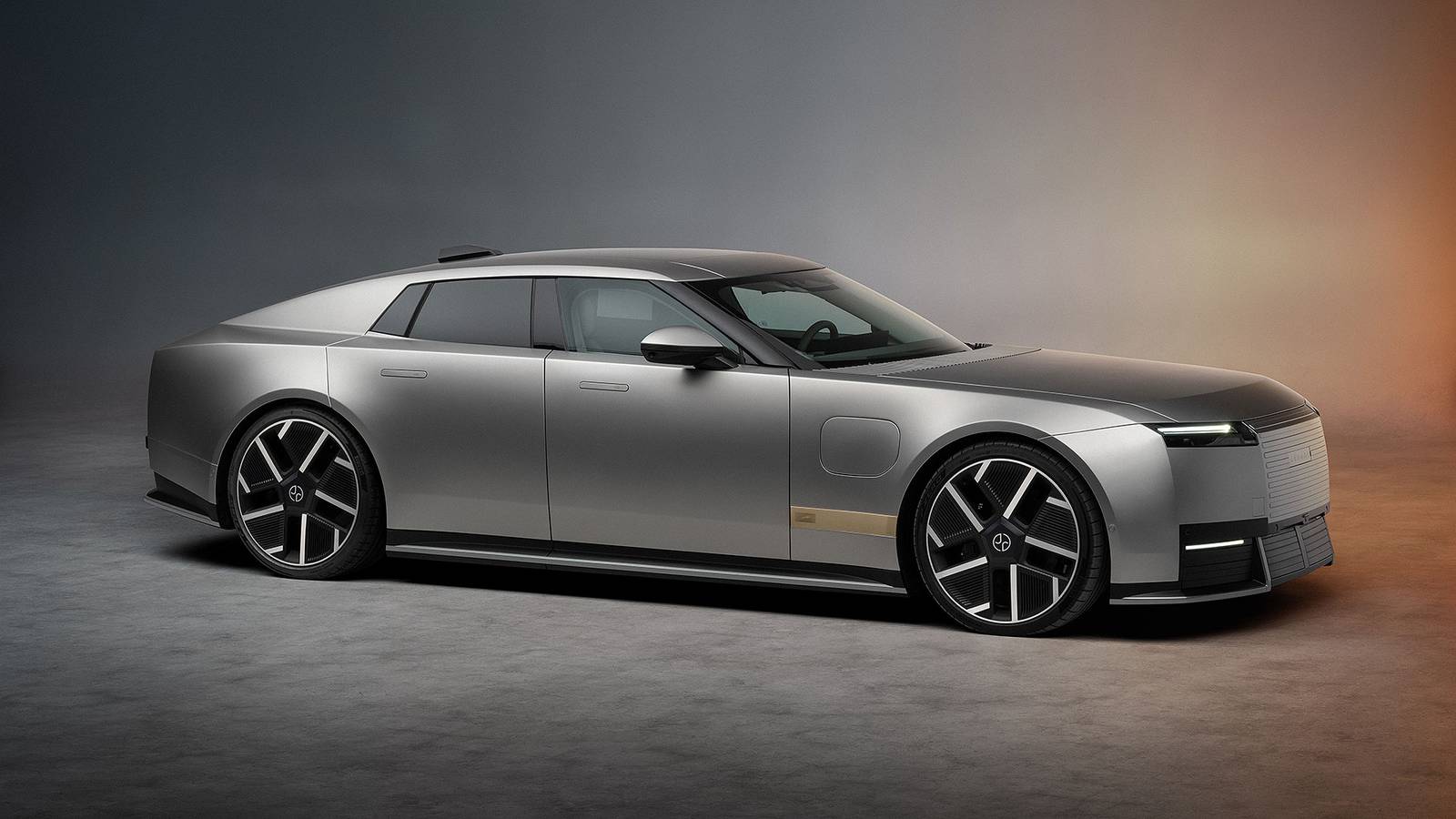
A Hard Reset for a Historic British Brand
Jaguar has officially taken the wraps off its new era, revealing the production-spec Type 01 electric GT. Following a turbulent rebrand that began in November 2024 and a polarizing prototype rollout, the British manufacturer is staking its future on a high-end luxury pivot rather than competing directly with mainstream German brands like BMW, Audi, and Mercedes-Benz, as Motoring Research reports. Led by managing director Rawdon Glover, the company has endured a prolonged period without new vehicle sales and high-profile leadership exits, including chief creative officer Gerry McGovern, as noted by Wired.
The brand’s strategic realignment abandons decades of selling diesel saloons and practical estates to chase volume, shifting instead toward an elevated price point starting around $170,000 (or approximately £130,000). Glover acknowledges that this high-stakes gamble targets an entirely new, younger, and more creative clientele, aiming to carve out a unique space beneath ultra-luxury marques like Bentley, Lamborghini, and Ferrari. While the initial marketing campaign sparked fierce debate across the automotive world, the unveiling of the physical production car marks the true beginning of Jaguar’s operational test in the luxury electric vehicle market.
Striking Proportions and Engineering Challenges
Measuring over 5.2 metres in length, the Type 01 is a massive four-door GT that stretches nearly 200mm longer than a full-size Range Rover, while standing just 1.4 metres tall. Built around an aluminium architecture, the engineering team overcame significant manufacturing hurdles—including an initial rejection by AI-supported software for its complex rear roof curvature—by bringing back production veterans. The car features an 898mm dash-to-axle ratio, matching the classic E-Type, and rides on standard 23-inch wheels.
Developed across more than 150 prototypes and 700,000 test miles, the car’s defining exterior feature is its unbroken “impossible panel” stretching over three meters from the A-pillar to the rear. Achieving this complex geometry with five distinct acute angles required 1,500 hours of specialized tooling development. The exterior design also eliminates the traditional rear window, replacing it with a digital ClearSight rearview display integrated into the base of the windscreen alongside the vehicle’s 13-speaker sound bar.
Performance and Modernist Cabin Design
Powered by an 850-volt bespoke architecture and a usable 118kWh battery paired with three electric motors, the all-wheel-drive Type 01 outputs 1,030 horsepower (768 kW) and 1,365 Newton-meters of torque, achieving 0-62mph in 3.2 seconds. Jaguar claims a targeted range of 450 miles on the WLTP cycle (around 400 miles EPA), supported by an aerodynamic drag coefficient of 0.23, active vanes, a deployable spoiler, and silicon-carbon inverters derived from Formula E racing. Rapid DC charging at 350 kW allows drivers to replenish up to 200 miles of range in 13 minutes.
Inside, the cabin eschews traditional touchscreens in favor of an architectural central spine with brass-inspired finishes, a 24-inch OLED display integrated with Nvidia technology, and a secondary 7-inch touchscreen for climate and audio controls. Passenger accommodations include 12-way adjustable seats with hot stone massage effects and cabin air purification systems. With deliveries scheduled to begin in mid-2027, Glover and the Jaguar team face a critical two-year window to establish brand credibility at this new price tier and prove that the historic British nameplate can successfully capture a new generation of buyers.