

Quick Read
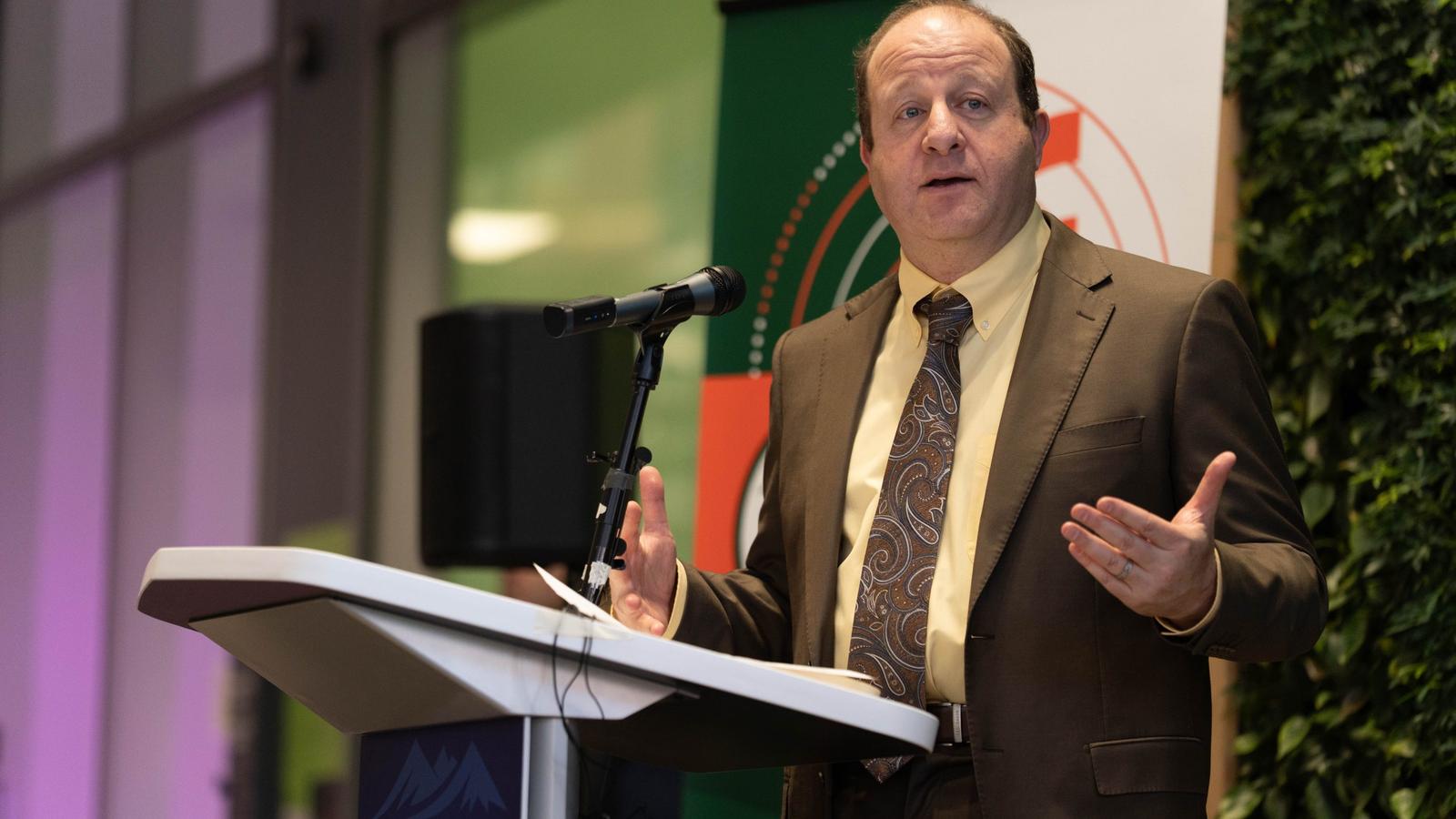
- Governor Jared Polis accused President Trump of politicizing disaster relief after FEMA denied Colorado’s requests for federal aid following wildfires and flooding.
- Colorado’s U.S. senators and local officials condemned the denial, vowing to appeal and calling for urgent federal support.
- The Trump administration claims disaster aid decisions are non-political, while proposing states take greater responsibility for disaster recovery.
Colorado’s Disaster Crisis: Polis Takes a Stand
As 2025 draws to a close, Colorado finds itself grappling not just with the aftermath of catastrophic wildfires and historic flooding, but with a political storm brewing in Washington. Governor Jared Polis, a Democrat, has leveled pointed accusations at President Donald Trump, claiming the administration is playing “political games” after the Federal Emergency Management Agency (FEMA) denied the state’s requests for major disaster declarations. The denials came in the form of two formal letters, landing late on a Saturday, and immediately stirred controversy among Colorado’s leaders and residents.
The backdrop to Polis’ frustration is harrowing: the Elk and Lee fires scorched vast stretches of land in August, while October saw unprecedented flooding devastate communities in southwestern Colorado. Homes were destroyed, livelihoods upended, and for many Coloradans, the path to recovery seemed to hinge on federal assistance. When that help didn’t arrive, the conversation quickly shifted from disaster recovery to the mechanics—and motives—behind federal disaster relief.
Polis, Senators, and a State Left Reeling
Governor Polis was not alone in his outrage. Colorado’s U.S. senators, Michael Bennet and John Hickenlooper, both Democrats, swiftly condemned the FEMA denials. Bennet took to social media, calling the decision “unacceptable” and underscoring the urgent need for federal aid to help communities rebuild after the year’s relentless natural disasters. Hickenlooper echoed the sentiment, stressing that the situation is not a game and reminding Washington that behind every policy decision lie real people struggling to restore their lives.
Polis, for his part, vowed to appeal the FEMA decision. “Coloradans impacted by the Elk and Lee fires and the flooding in Southwestern Colorado deserve better than the political games President Trump is playing,” he declared in a statement, as reported by AOL and E&E News. The governor’s determination reflects a broader frustration with what many perceive as an increasingly politicized approach to disaster relief.
Trump Administration’s Rationale and National Implications
In response to mounting criticism, White House spokesperson Abigail Jackson rejected claims of politicization. She insisted that every federal disaster request is reviewed “with great care and consideration,” and that the administration’s priority is to ensure American tax dollars are used efficiently—to supplement, not substitute, state efforts. But beneath the official statements, a more fundamental debate is unfolding about the future of FEMA and the role of federal government in disaster recovery.
President Trump has openly floated the idea of “phasing out” FEMA, arguing that states should shoulder greater responsibility for responding to and recovering from disasters. While states already lead initial efforts, federal assistance remains crucial when disasters exceed local capacities. Colorado’s experience, and similar delays faced by California—where requests for federal help after major fires have languished for nearly a year—highlight the stakes of this evolving policy.
The Numbers and the Politics: Unusual Denials
According to E&E News, the Trump administration’s denial of Colorado’s disaster requests came despite federal findings that the wildfires and flooding caused more than enough damage to qualify for aid. The timing was unusual: Polis submitted his requests six weeks apart, yet both were rejected simultaneously. This has fueled speculation about the motivations behind the denials and whether political considerations outweighed objective assessments of need.
California’s struggles further underscore the issue. Governor Gavin Newsom has reportedly faced similar delays, with FEMA declining to meet him in Washington and leaving the state’s $33.9 million request for disaster assistance unresolved after the Palisades and Eaton fires.
Community Voices and the Road Ahead
For residents of Colorado’s affected regions, the bureaucratic back-and-forth is more than political theater—it’s a matter of survival. As communities work to rebuild, state and local officials continue to press for federal aid, emphasizing that recovery is not just about dollars, but about restoring hope and stability to those whose lives have been uprooted.
Polis, Bennet, and Hickenlooper are united in their commitment to appeal FEMA’s decision and pursue every available avenue for relief. The broader debate over FEMA’s future and the balance of state versus federal responsibility will likely persist, with Colorado’s experience serving as a cautionary tale for other states facing the unpredictable wrath of nature.
As the dust settles, the story of Colorado’s denied disaster aid reflects a fundamental tension in American governance: who bears responsibility when nature’s fury overwhelms communities, and how do politics shape the answers to that question? For now, Colorado’s leaders are fighting not just for federal dollars, but for a vision of disaster response that puts people before politics.
Sources: AOL, E&E News, Los Angeles Times