


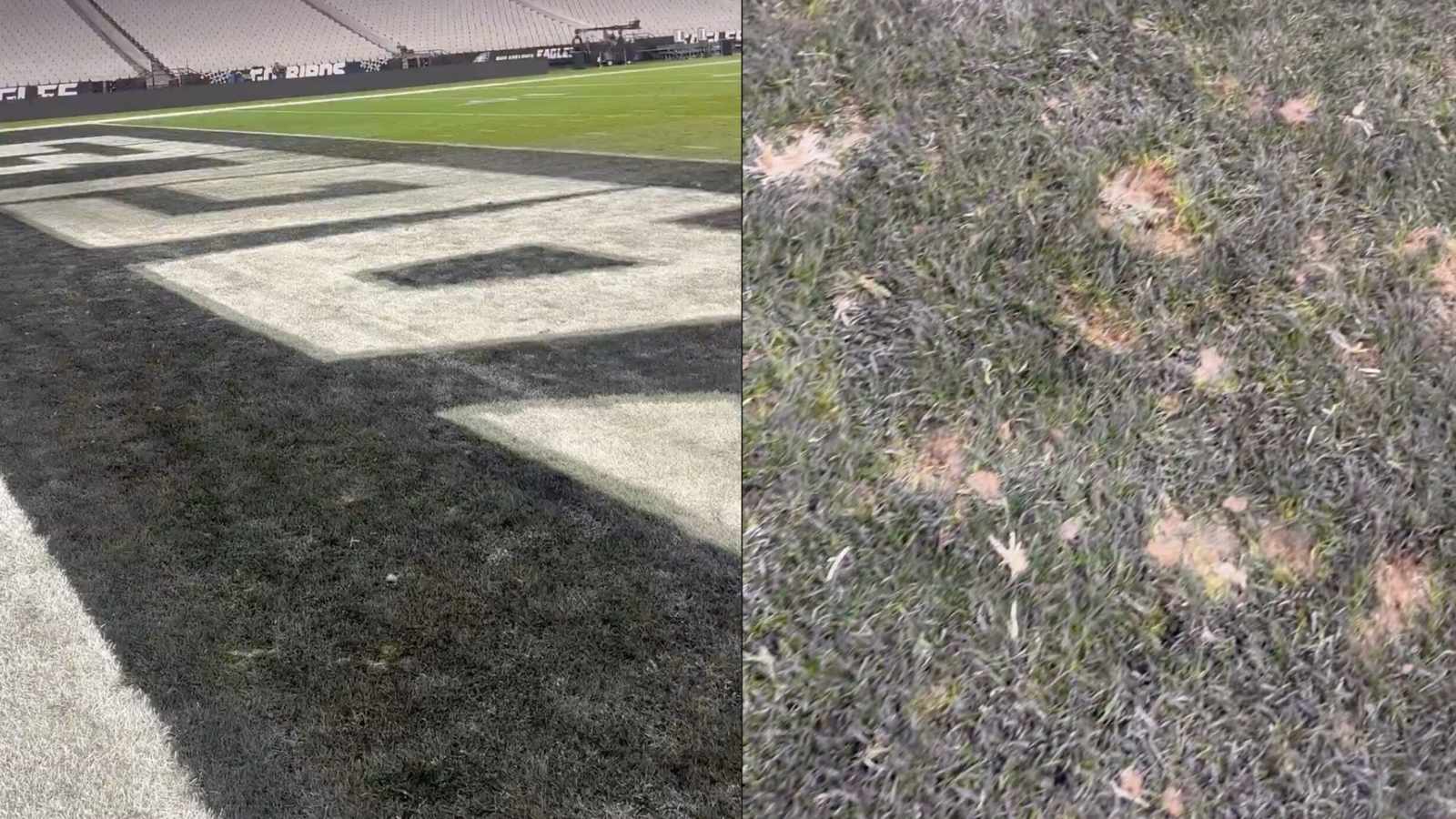
Former NFL star and CBS Sports analyst J.J. Watt documented substandard playing surface conditions at Maracanã Stadium in Rio de Janeiro, sharing close-up photographs hours before the international matchup between the Dallas Cowboys and Baltimore Ravens as reported by Yardbarker.
The scheduling of the game proceeded despite rising scrutiny over pitch quality during the league’s global showcase series. Watt utilized social media to highlight his findings directly from the field level, publishing visual evidence of the playing surface prior to kickoff.
Documenting Turf Issues in Rio de Janeiro
Watt published two specific images illustrating the condition of the turf at the historic Brazilian venue. The first photograph captured the 10-yard line situated between the hashes, while the second image displayed a sample of the artificial turf plugs threaded into the natural grass surface. According to Yardbarker, the analyst noted that while he initially intended to give the venue the benefit of the doubt, the physical state of the pitch warranted immediate public attention.
The visual evidence underscored persistent anxieties regarding international venue preparation. League organizers have increasingly pushed into overseas markets, but stadium infrastructure in foreign soccer grounds frequently requires extensive modification to accommodate American football cleats and high-impact lateral movements.
NFLPA Position and Expert Intervention
The concerns raised by analysts and players echoed statements issued earlier in the week by NFL Players Association executive director J.C. Tretter. Writing on social media ahead of the weekend, Tretter outlined the union’s ongoing dialogue with league officials concerning player safety and operational standards in South America, as detailed by Yardbarker.
“The concern heading into this week was that the field would be loose, patchy, and lead to excessive slipping,” Tretter stated, emphasizing that while such conditions frequently manifest as playability challenges rather than severe injury risks, professional athletes still require a baseline surface quality. Both the league and the union deployed independent field experts to Rio de Janeiro to monitor conditions and recommend remediation measures.
Remediation Efforts and Surface Stability
To address the identified deficiencies, on-site turf specialists recommended reinforced stitching to help the field hold together under heavy athletic loads. Specialized equipment was flown in to reinforce as much of the playing surface as possible before Sunday afternoon’s kickoff.
Despite these interventions, the presence of loose turf plugs and uneven traction zones remained a central talking point among broadcast analysts and traveling supporters. The matchup proceeded under strict observation from both league officials and union monitors, setting a critical precedent for how international fixtures manage pitch integrity in non-traditional stadiums.