


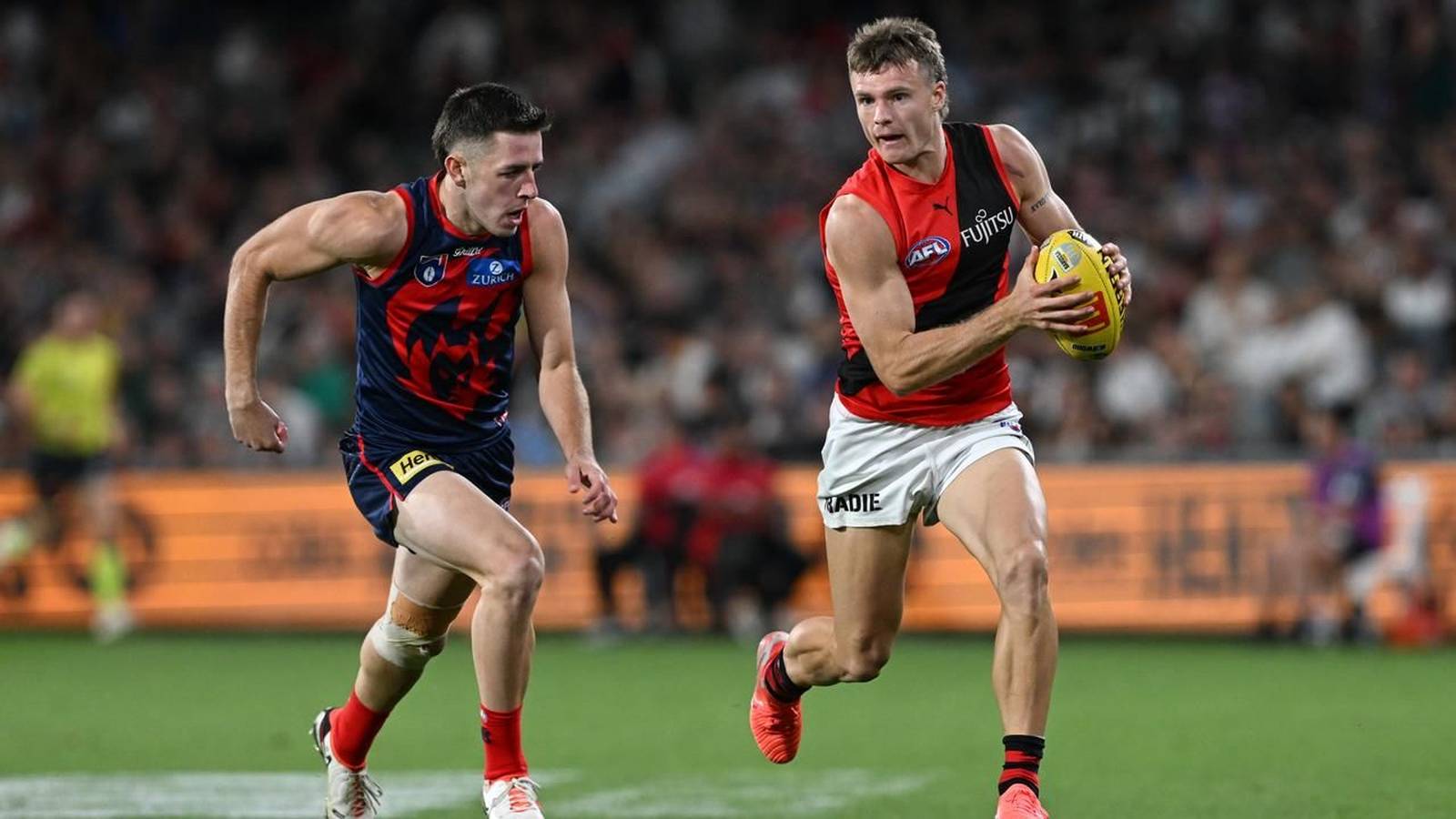
Jye Menzie: From Local Talent to AFL and Back Again
In a move that feels as much like a homecoming as it does a new chapter for Tasmanian football, Jye Menzie has become the first player to sign with the Tasmania Devils’ new VFL team. For the 22-year-old, the announcement doesn’t just mark another line on his sporting resume—it’s the closing of a circle that began on the local grounds of North Hobart and Bridgewater, and a chance to help build something truly new on home soil.
Tasmania Devils Set the Stage for a New Era
The Tasmania Devils, who are preparing to launch both VFL and VFLW programs with pre-season training kicking off in November, have signaled their intent: to lay strong, local foundations as they look ahead to their planned AFL entry in 2028. That journey, though, is not without its complications. The AFL has made it clear—the team’s elevation to the national competition is conditional on the construction of a new stadium in Hobart. As of this month, the state planning commission has rejected that proposal, putting the timeline and even the project’s future into question (Reuters).
Yet, amid these high-level debates, the Devils’ first signing is a statement in itself. Jye Menzie, a proud Tasmanian, brings back with him not just experience from the highest level of Australian football, but also the kind of local pride and connection that new clubs desperately need if they are to capture the hearts of a community.
Full Circle: The Journey of Jye Menzie
Menzie’s path to this historic signing is both familiar and unique. After honing his skills with North Hobart and Bridgewater, he caught the attention of scouts at South Adelaide in the SANFL. The leap to the national stage came in 2022, when Essendon selected him in the AFL mid-season draft. Over the next three seasons, Menzie played 47 games for the Bombers, including 10 in the most recent campaign, and kicked 36 goals. But the numbers alone don’t capture the arc of his career—a career shaped by resilience, adaptation, and a deep connection to his roots.
“I am a proud Tasmanian, and I cannot wait to be involved in the build of the club from the ground up,” Menzie said in a statement issued by the club. “I am really looking forward to getting in on the ground floor and being back in Tassie and getting stuck into training. I have learned a lot during my career so far, and particularly during my time in the AFL. I am really eager to share my learnings and continue to grow whilst being back on home soil.”
For Menzie, the move is more than a professional step—it’s a return to family, friends, and the community that shaped his early years. There is a sense of unfinished business, a desire to give back and to lift Tasmanian football onto the national stage.
Local Roots, National Ambitions
The decision to make Menzie the first VFL recruit is no coincidence. Tasmania list management boss Todd Patterson made it clear that Menzie’s “passion” for his home state was a driving force behind the signing. In an environment where new teams often struggle to establish identity and credibility, a player who wears his Tasmanian heritage as a badge of honor is an invaluable asset.
As the Devils begin regional trials across Tasmania this week, the search is on for local talent to fill the inaugural roster. It’s a process designed not just to find the best players, but to ensure the team reflects the diversity and spirit of Tasmanian football. The Devils’ leadership is betting that a team built around local stars, with Menzie as the standard-bearer, will galvanize support and establish a culture of pride and belonging.
Beyond the personal storylines, the move is a clear signal to the football world: Tasmania is serious about competing, and about doing so on its own terms. The Devils are not content to be a satellite team or a footnote in AFL history—they want to build a club that is rooted in the community and capable of challenging the best.
The Road Ahead: Uncertainty and Opportunity
Despite the excitement, challenges remain. The state’s bid for an AFL license hangs in the balance, with infrastructure debates threatening to overshadow the sporting project. The stadium question, in particular, looms large. Without a resolution, the AFL’s support may waver, putting at risk years of planning and anticipation.
For now, however, the focus is on what can be controlled: building a team, shaping a culture, and preparing for the first bounce. The Devils’ VFL and VFLW squads will begin pre-season in November, a crucial period for setting standards and expectations. Menzie’s leadership, both on and off the field, will be tested as he becomes a mentor for younger players and a public face for the club’s ambitions.
Regional trials are already underway, offering hope to aspiring footballers across Tasmania. The message is clear—there is a pathway for local talent, and the Devils are determined to find and nurture the next generation of stars. For many, Menzie’s return is a tangible symbol of what is possible.
As the Devils take their first steps, the broader community watches with a mix of hope and skepticism. The stakes are high, not just for the club, but for Tasmanian sport as a whole. If the project succeeds, it could transform the landscape of football in the state and offer a blueprint for other regions seeking a place on the national stage.
The Devils’ leadership, players, and supporters all know that the journey ahead will be tough. But for now, with Jye Menzie back where it all began, there is a sense that anything is possible. The story of Tasmanian football is being rewritten—and this time, it’s being written at home.
Jye Menzie’s return to Tasmania is more than a headline—it’s a statement of intent from a new club and a proud state. His journey highlights the importance of local identity in building successful sporting teams. As the Devils face uncertainty over stadium politics and national ambitions, Menzie’s story offers a reminder that sometimes, coming home is the boldest move of all.