

Quick Read
- Kane Evans is the second male player in Australian rugby league history to come out as gay.
- He credited the RLPA and former coach Trent Robinson for helping him through severe mental health and addiction struggles.
- Evans has achieved over 130 days of sobriety following a period of homelessness.
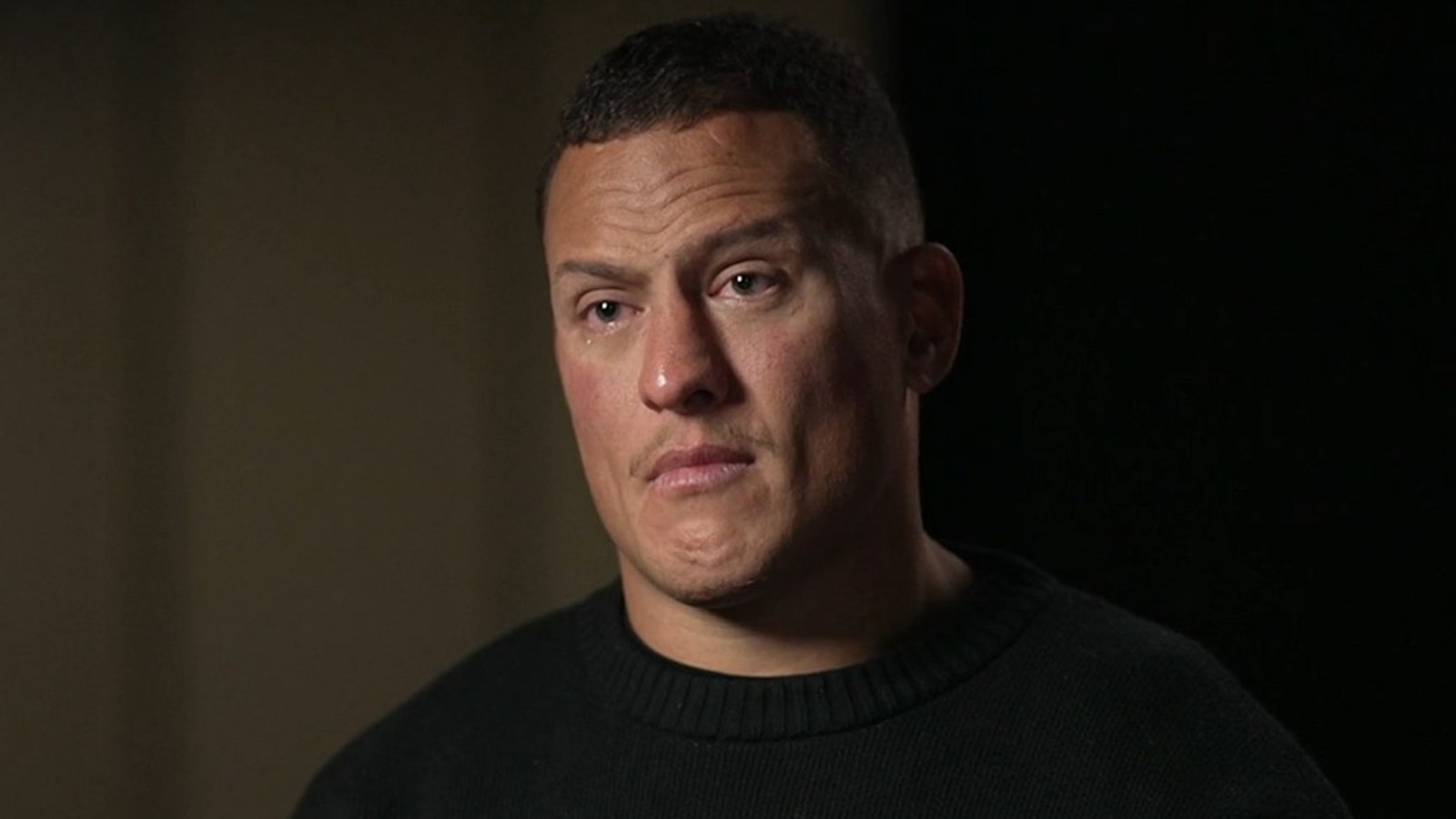
Former NRL enforcer and Fijian international Kane Evans has publicly come out as gay, marking a watershed moment in Australian professional rugby league. In an emotional interview with Channel Nine’s 100% Footy on June 8, 2026, the 34-year-old became only the second male player in the league’s history to disclose his sexuality, following Ian Roberts 31 years ago.
A Journey of Struggle and Recovery
Evans, who played 131 NRL games for the Roosters, Eels, and Warriors, revealed that he had been internalizing his sexuality since the age of 15. This suppression, compounded by external pressures and threats of being outed, led to a severe cycle of addiction and mental health crises. Evans detailed his experience of “living in denial” and the destructive behaviors that followed his exit from professional play.
“I had three goals in life: to play NRL, to buy my parents a house, and then I wanted to top myself,” Evans told interviewer James Bracey. He credited the Rugby League Players Association (RLPA) and former Panthers star Joe Galuvao for providing critical intervention when he was at his lowest point, including periods of homelessness.
Institutional Support and Cultural Impact
The disclosure has highlighted the evolving role of support systems within the sport. Evans specifically praised his former Roosters coach, Trent Robinson, for providing personal financial support to help him secure housing during his rehabilitation. Evans is currently more than 130 days sober.
The significance of Evans’ announcement lies in the traditionally conservative culture of rugby league. By speaking openly about the “war within,” Evans aims to provide a path for others struggling in silence. His testimony underscores the intersection of mental health advocacy and identity in high-pressure sporting environments, signaling a shift in how institutions may approach the well-being of their past and present athletes.