


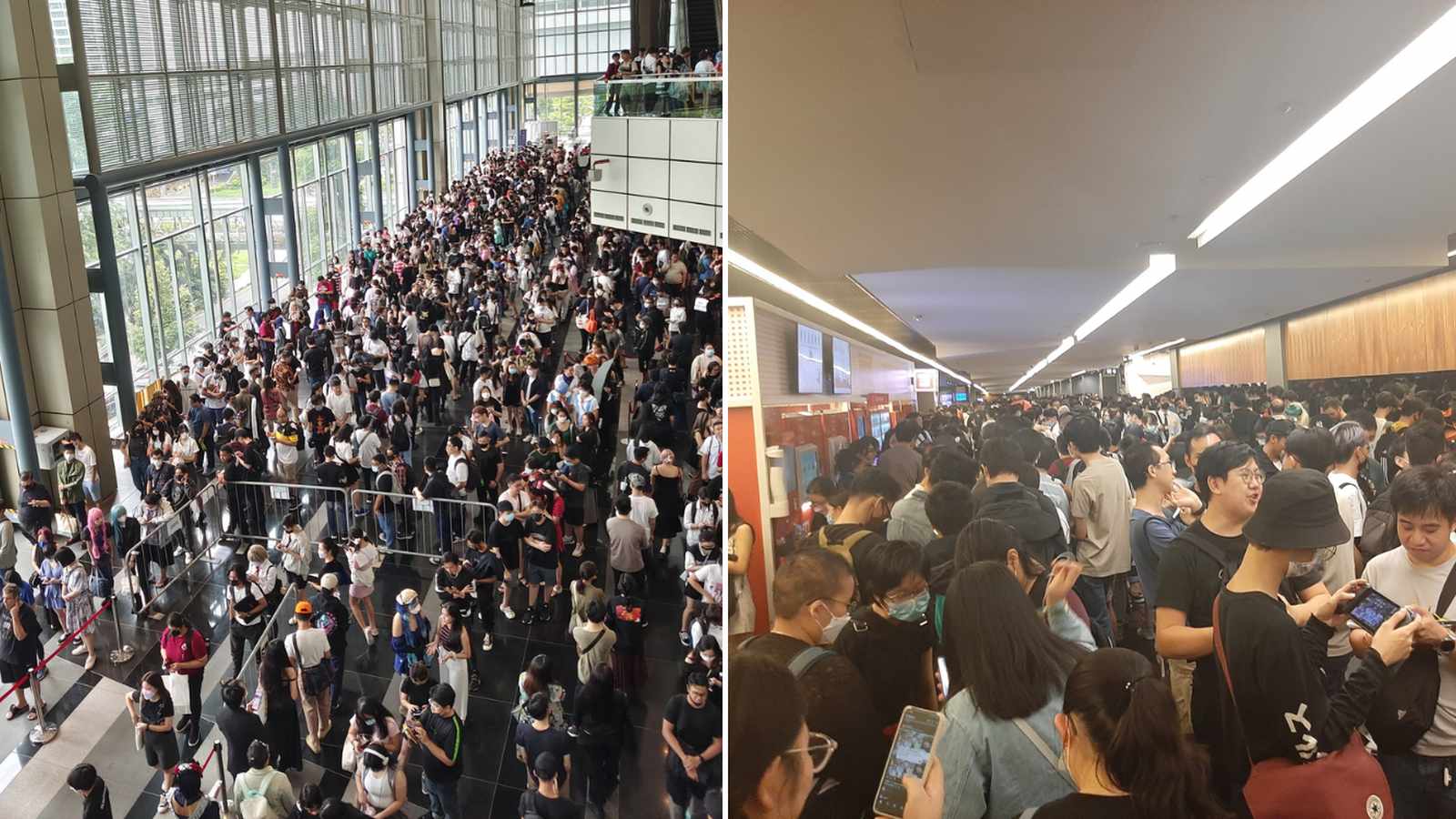
Logistical Challenges at Suntec
The recent edition of the Mercury Festival, a bi-annual art and thrift fair held at the Suntec Convention & Exhibition Centre from June 5 to 7, 2026, has highlighted the growing difficulty of managing high-traffic, free-entry events in urban spaces. Organizers reported that the event attracted over 32,000 visitors across three days, with Saturday alone accounting for approximately 15,000 attendees.
Reports from attendees and social media documentation indicate that the demand far exceeded the venue’s capacity management infrastructure. At peak times on June 6, organizers noted approximately 9,300 people in the queue, with wait times stretching beyond five hours. The situation necessitated the temporary closure of both virtual and physical entry points to prevent overcrowding within the convention hall.
Analysis: The High Cost of Free Entry
The Mercury Festival incident serves as a case study in the risks associated with scaling free-entry pop-up events. Unlike ticketed events where capacity is strictly controlled through pre-registration or timed entry, the “open-door” nature of the festival created a volatile environment. The reliance on in-person QR code scanning for queue numbers, while traditional, proved insufficient to handle the sheer volume of arrivals, leading to system lags and public frustration.
From an operational standpoint, the lack of a time-limitation policy inside the venue exacerbated the bottleneck. As visitors remained inside for extended periods, the inflow rate dropped, lengthening the wait for those outside. While some vendors reported steady sales, others noted that the crowd density—compounded by overlapping events in the vicinity—may have shifted the audience behavior from intentional shopping to passive browsing.
Moving forward, organizers have acknowledged that the current model is unsustainable. Potential solutions under consideration include the transition to mandatory time-slot ticketing or the procurement of additional space to manage physical queues. The challenge for future iterations will be balancing the accessibility that defines the festival’s brand identity with the structural necessity of crowd safety and visitor satisfaction.