


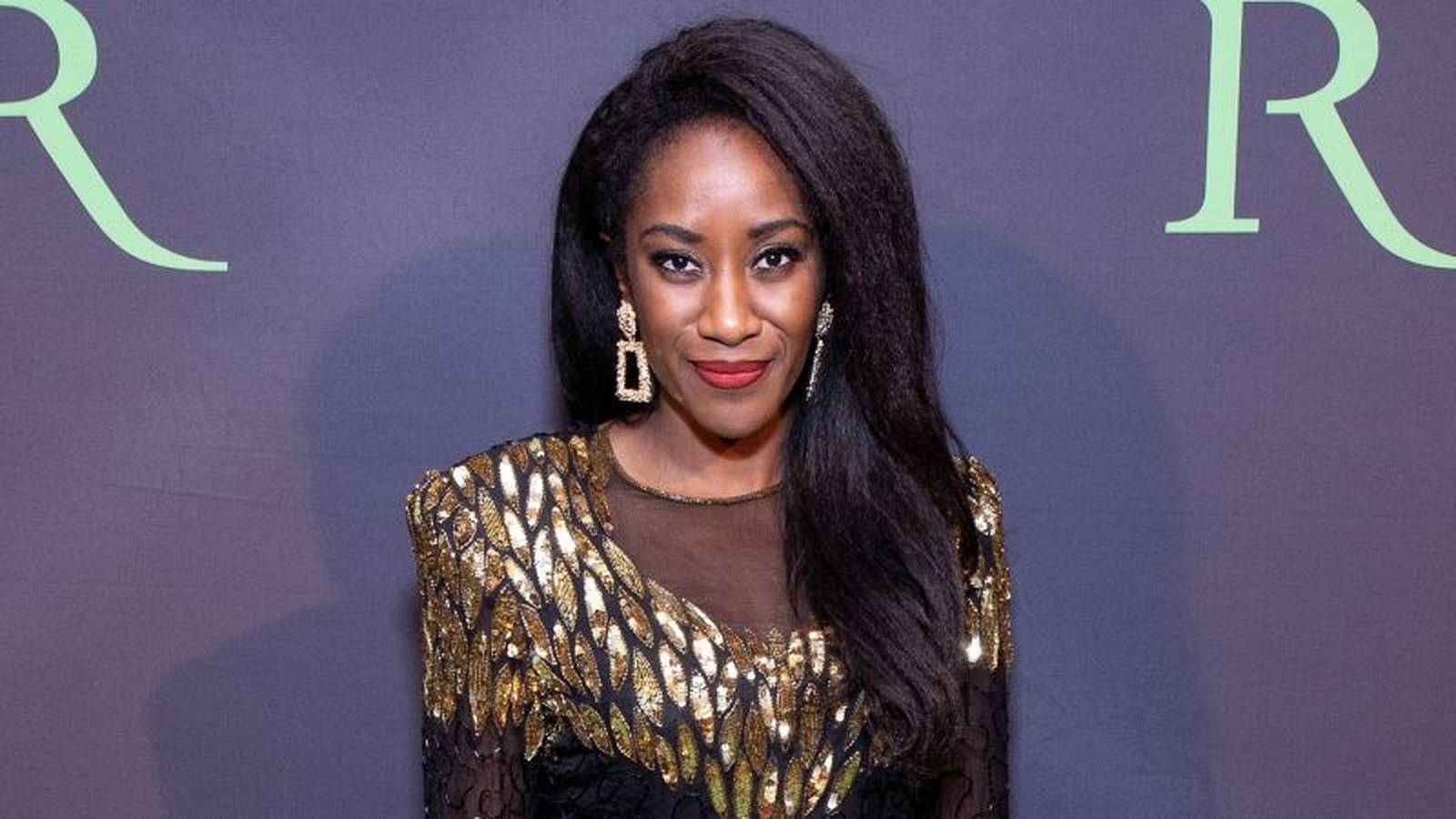
Behind the Headlines: A Columnist’s Voice Silenced Amid Editorial Upheaval
For nearly a decade, Karen Attiah’s byline in The Washington Post stood for fearless opinion, cultural critique, and unflinching commentary on race and power. But last week, that era ended abruptly. Attiah announced she’d been fired from the Post’s Opinions department, following a storm of controversy over her social media posts about the recent assassination of conservative activist Charlie Kirk.
Attiah’s dismissal did not occur in a vacuum. It came as the Post’s leadership, under owner Jeff Bezos, undertook a dramatic overhaul of its editorial direction. The newsroom was already restless. Columnists—especially those whose voices challenged conventional narratives—were increasingly feeling the squeeze.
When Social Media Posts Become Flashpoints
The catalyst for Attiah’s firing was a series of pointed posts on Bluesky, a burgeoning social platform. In the wake of Kirk’s murder, Attiah called out what she described as “empty rhetoric” against political violence—rhetoric, she argued, that rarely translates into real action. Her posts critiqued America’s “racial double standards” and “apathy toward guns,” and questioned the performative nature of public mourning for white men accused of espousing hate.
One message in particular drew sharp attention: “Part of what keeps America so violent is the insistence that people perform care, empty goodness and absolution for white men who espouse hatred and violence.” She elaborated, “Refusing to tear my clothes and smear ashes on my face in performative mourning for a white man that espoused violence is… not the same as violence.”
Though Attiah did not mention Kirk by name in every post, she responded to commenters, emphasizing that declining to publicly grieve for someone with a divisive legacy does not equate to endorsing violence. She referenced Kirk’s past statements on Black women, quoting his remark that Black women lack “brain processing power.”
Editorial Independence Under Pressure
The Post’s public social media policy requires staff to avoid posts that “make reasonable people question their editorial independence.” Attiah, as a columnist, technically operated under different guidelines—opinion journalists are expected to express views. But management evidently decided her posts crossed a line. According to Attiah, she was accused of “gross misconduct” and of “endangering the physical safety of colleagues”—charges she flatly denies.
“My commentary received thoughtful engagement across platforms, support, and virtually no public backlash,” Attiah wrote in her blog post following her firing. The Post, for its part, declined to comment on personnel matters. Her official biography was quietly changed to the past tense.
This episode unfolded as the Post’s opinion section was being reshaped. Bezos had declared that the new focus would be on “personal liberties and free markets,” arguing that a diversity of opinions could now be found elsewhere online. Adam O’Neal, the newly installed Opinion editor, promised a reorientation. Several long-serving columnists had already departed.
Race, Representation, and the Broader Context
Attiah’s exit, she argued, is more than a single personnel decision—it’s emblematic of what she calls a “broader purge of Black voices” from influential sectors, including academia, media, and government. “I was the last remaining Black full-time opinion columnist at the Post, in one of the nation’s most diverse regions,” she wrote, framing her firing as a symptom of a historical pattern of exclusion.
Her case gained traction in media circles and on social platforms, drawing both support and criticism. Conservative activists, energized by Kirk’s death, intensified efforts to pressure institutions to remove those who criticized or showed indifference toward Kirk’s legacy. Attiah’s measured but provocative commentary became a lightning rod in this polarized atmosphere.
The Fallout and What’s Next
The deeper question lingers: What does Attiah’s firing say about the boundaries of opinion journalism in an era of heightened political and cultural tensions? For some, her case reflects a chilling trend—where expressing uncomfortable truths about race and violence can result in professional exile. For others, it’s a necessary tightening of standards in an age of viral outrage and hyper-partisanship.
Media watchdogs and free speech advocates are watching closely. The Post’s move, though consistent with its recent editorial shift, raises difficult questions about the future of dissenting voices in legacy newsrooms. Attiah herself warns that her firing is “tragic” not just for her career, but for the broader landscape of American media.
The Post’s silence and the lack of transparency around the decision leave readers and fellow journalists to speculate. Is this about safeguarding collegiality and safety, or about narrowing the spectrum of acceptable opinion?
As the dust settles, Attiah’s words linger: “What happened to me is part of a broader purge of Black voices from academia, business, government, and media—a historical pattern as dangerous as it is shameful—and tragic.”
Attiah’s firing is more than a workplace dispute—it’s a reflection of the evolving, often uneasy balance between free expression, institutional values, and the ongoing struggle for representation in American media. The story invites us to ask not just who gets to speak, but who decides which voices matter.