


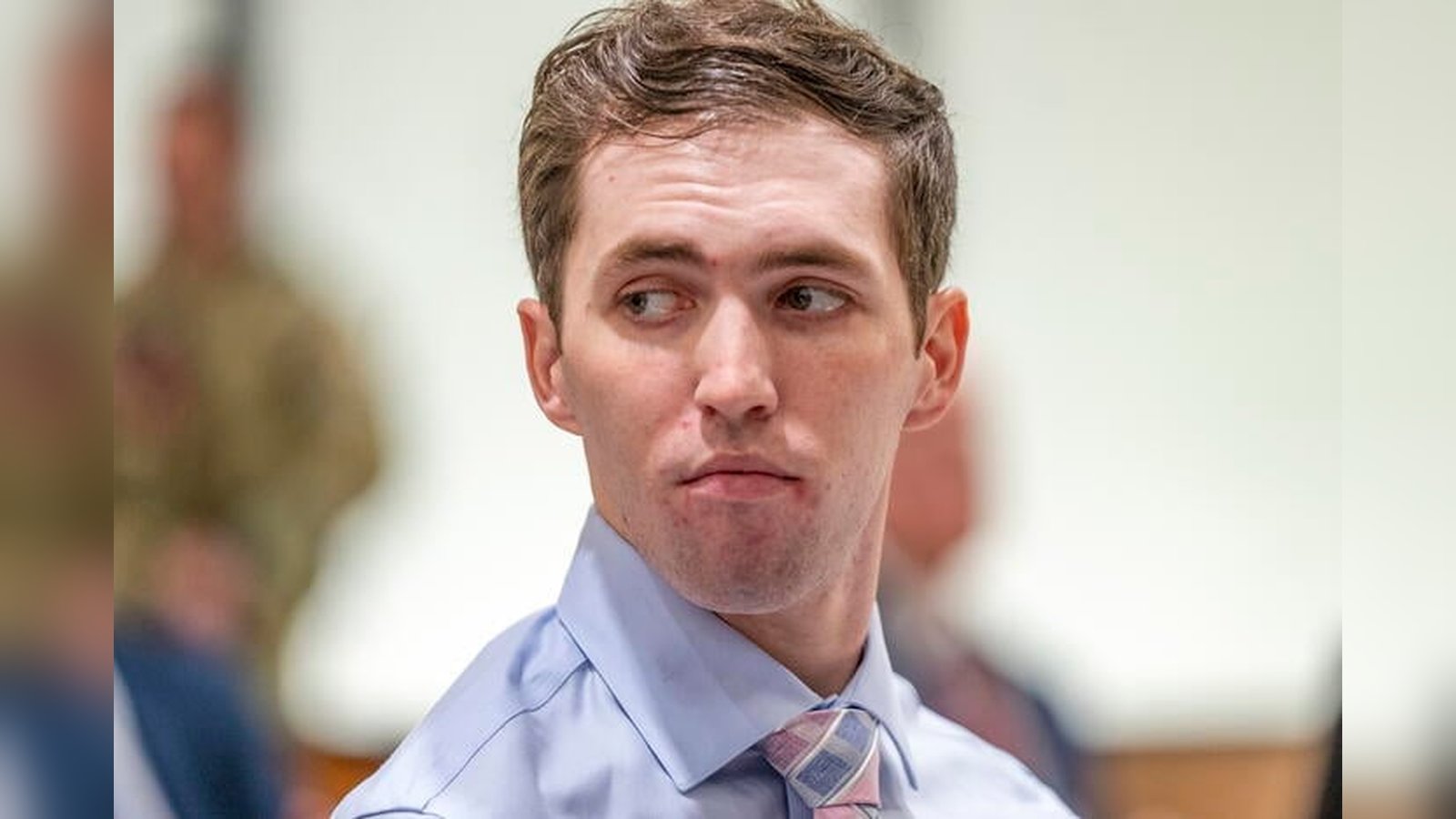
Nearly a year after conservative political activist Charlie Kirk was fatally shot at a university event in Utah, Fourth District Court Judge Tony Graf ruled that prosecutors have established sufficient probable cause for the suspect, 23-year-old Tyler Robinson, to stand trial on seven felony charges, including aggravated murder. Following the ruling in a Provo courtroom, Robinson formally entered a plea of not guilty during his arraignment. The state has confirmed it will seek the death penalty if he is convicted on the capital count.
The decision follows a multi-day preliminary hearing process during which state prosecutors presented forensic video, DNA match data, physical items recovered near the scene, and encrypted electronic messaging. Family members of both the victim and the accused sat only rows apart as Judge Graf detailed the sequence of events from September 10, 2025, when 31-year-old Kirk, co-founder of Turning Point USA, was killed while addressing an outdoor crowd of over 3,000 people at Utah Valley University in Orem.
This report draws on information published by CNN.
Ruling Clears Path to Capital Trial in Provo
In delivering his finding from the bench, Judge Graf confirmed that the evidence meets the threshold required to bind Robinson over for trial on all seven counts. In addition to aggravated murder, the indictment includes felony discharge of a firearm causing serious bodily injury and obstruction charges connected to post-shooting conduct. Prosecutors with the Utah County Attorney’s Office affirmed their intent to pursue capital punishment, citing aggravating circumstances under Utah state law.
The ruling brought a visible emotional reaction from families on both sides of the courtroom aisle. Kirk’s widow, Erika Kirk, accompanied by his parents Robert and Kathryn Kirk, listened as the court recounted medical examiner reports and bullet trajectory data. Across the gallery, Amber Robinson, the defendant’s mother, sat with his father as details of her son’s arrest and digital correspondence were read aloud. Following the session, the Kirk family issued a statement describing the court’s decision as an indispensable procedural step toward justice.
The Reconstructed Shooting and Forensic Evidence
During closing arguments, Deputy Utah County Attorney Ryan McBride outlined the state’s technical timeline, arguing that Robinson carefully planned and executed the rooftop attack. According to prosecution filings, Robinson initially conducted surveillance on the Utah Valley University campus earlier in the day before returning in altered attire designed to conceal a long rifle down his pant leg. Prosecutors submitted physical evidence indicating Robinson used a tool to reassemble the firearm before moving to an elevated vantage point approximately 415 feet (122 meters) from the podium.
Forensic testimony established that a single round fired from a prone rooftop position struck Kirk’s spine, causing catastrophic fatal injuries. State prosecutors argued that the elevated firing line into an unshielded gathering of more than 3,000 attendees created a direct, systemic danger to the surrounding public. Prosecutor Chad Grunander emphasized that given the distance and human movement within the densely packed crowd, any minor barrel deflection posed immediate lethality to bystanders in the immediate vicinity, satisfying the statutory baseline for aggravated endangerment.
The Defense Challenge Over Aggravating Factors and Motive
Defense attorneys Staci Visser and Richard Novak focused their legal arguments on dismantling the statutory prerequisites for the aggravated murder charge, seeking to remove the death penalty as an available sentencing option. Visser argued that state precedent requires a direct, identifiable threat to third parties beyond the targeted individual. Emphasizing the single projectile discharged in the incident, Visser contended that the state had failed to demonstrate that other event participants faced direct, physical threat from the single shot fired.
Novak further pushed back against prosecution assertions regarding political ideology and intent. Addressing unspent ammunition found in a nearby wooded area—which bore hand-engraved phrases including “Hey Fascist! CATCH!”—and texts sent to Robinson’s former roommate and romantic partner, Lance Twiggs, Novak argued the statements lacked clear evidentiary backing to establish a defined political objective under law. The defense maintained that drawing inferences of ideological motive from ambiguous phrasing or public statements regarding Kirk’s public stance on social issues remained legally speculative and prejudicial.
Digital Evidence, Confessions, and Legal Next Steps
The evidentiary record submitted to the court relied heavily on physical and digital tracks assembled during the 30-hour regional manhunt that followed the shooting. Investigators introduced closed-circuit surveillance clips showing Robinson on campus four distinct times on the day of the attack, alongside Nest doorbell footage and media recordings. DNA evidence extracted from a high-powered rifle recovered in a towel near the campus tied the defendant to the weapon, according to forensic examiners.
Critically, the state presented written statements and a videotaped deposition from Twiggs detailing written communications from Robinson, including a note stating, “I had the opportunity to take out Charlie Kirk, and I took it.” Robinson’s flight ended when his parents recognized public broadcast photos and escorted him to turn himself in at the local sheriff’s department. Judge Graf set the next procedural hearing for October 23, 2026, at which time the court will establish the formal trial calendar and hear preliminary pre-trial motions.