


Courtroom Proceedings and Evidence
The murder trial of 19-year-old Karmelo Anthony has entered its third day of testimony in Texas, as prosecutors and defense attorneys clash over the circumstances surrounding the fatal stabbing of student Austin Metcalf. During recent proceedings, the jury was shown a four-minute bodycam video captured by Frisco Police Officer Eduardo Cortez, depicting the immediate aftermath of the arrest.
In the footage, Anthony is heard telling officers, “He put his hands on me. I told him not to. He put his hands on me.” Officer Cortez testified that while he initially described Anthony as emotional, the characterization specifically referred to the moments Anthony warned that Metcalf had initiated physical contact.
Witness Testimony and Conflicting Accounts
Classmates of the victim testified that the confrontation began when Anthony, who attended a rival high school, sat in a tent reserved for Memorial High School students. Witnesses stated that Metcalf, a football player, confronted Anthony about his presence. While some witnesses noted that Anthony appeared friendly upon arrival, the situation escalated into a physical altercation. Defense attorney Toby Shook highlighted the physical disparity between the two, noting that Metcalf was approximately 50 pounds heavier than Anthony.
Prosecutors displayed the knife used in the incident, which measured 3.5 inches. Defense counsel emphasized that under Texas law, possession of such a blade is not a crime, and that the item is commonly used as a tool.
Broader Implications
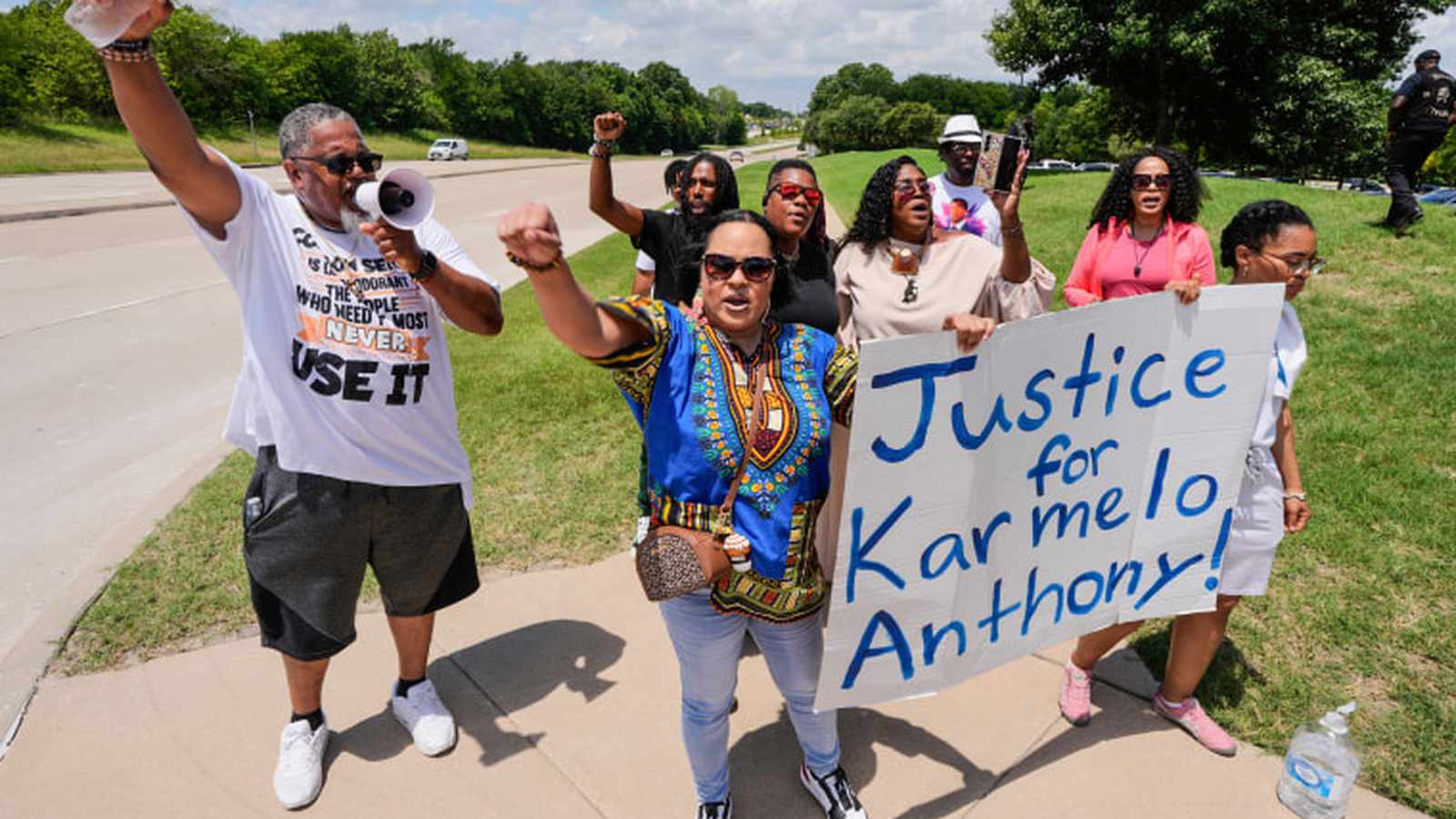
The case has drawn significant national attention, fueled by its racial dynamics and the composition of the jury, which contains no Black members. Legal experts, including media attorney Royal Oakes, have drawn parallels between the intense public scrutiny of this trial and past high-profile cases, noting that social media discourse often risks overshadowing the factual evidence presented in court. Anthony has pleaded not guilty to first-degree murder and faces a potential sentence of five to 99 years in prison.