

Quick Read
- White House Press Secretary Karoline Leavitt announced the birth of her daughter, Viviana, born on May 1, 2026.
- Secretary of State Marco Rubio has stepped in to lead briefings, highlighting a strategy of using high-ranking officials during Leavitt’s absence.
- Leavitt’s maternity leave follows a brief emergency return to duty following the April 24 shooting incident in Washington.
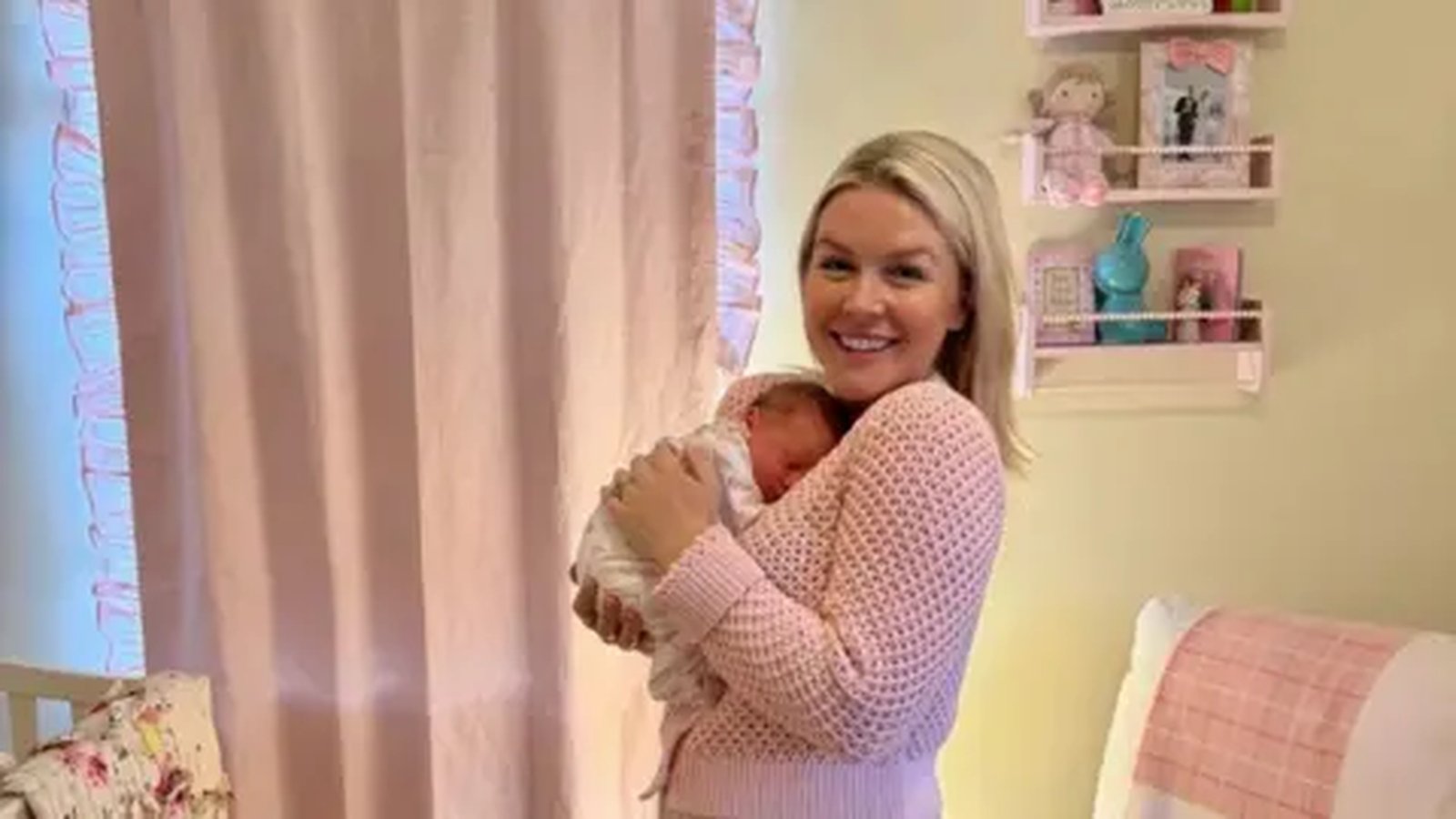
WASHINGTON (Azat TV) – White House Press Secretary Karoline Leavitt announced the birth of her second child on Thursday, a development that formalizes a period of temporary leadership within the administration’s communications wing. Leavitt confirmed that her daughter, Viviana, nicknamed “Vivi,” was born on May 1, 2026, describing the infant as healthy and noting that the family is currently in a “blissful newborn bubble.”
The announcement comes at a critical juncture for the White House press office, which has seen a rotation of high-profile surrogates filling the podium since Leavitt began her maternity leave in April. While Leavitt is a central figure in President Donald Trump’s second-term media strategy, her absence has forced the administration to utilize Cabinet-level officials to maintain the daily briefing schedule, highlighting the stakes of professional continuity during a period of domestic and international volatility.
Karoline Leavitt and the White House Briefing Transition
Leavitt, who has served as the primary voice of the Trump administration since its return to office last year, had initially stepped away from her duties last month. However, her leave was briefly interrupted by the April 24 shooting at the White House Correspondents’ Dinner, an event that required her immediate return to provide official updates to the press corps. Since that emergency appearance, the podium has been occupied by various administration figures, most notably Secretary of State Marco Rubio.
Rubio’s recent appearance in the briefing room underscored the challenges of the current transition. During a briefing earlier this week, the Secretary of State characterized the environment as “chaos” and joked about his lack of familiarity with the specific names of the White House press corps. This shift from a dedicated press secretary to rotating officials has altered the rhythm of daily communications, as the administration balances policy depth with the need for consistent media relations.
Temporary Leadership and Press Strategy Stakes
The duration of Leavitt’s leave remains unspecified, leaving a vacuum that the White House is filling with a rotating cast of briefers. This strategy ensures that the administration’s narrative continues without a permanent replacement, yet it also introduces a different dynamic into the James S. Brady Press Briefing Room. The use of a sitting Secretary of State for routine press duties is a rare move that signals the administration’s intent to maintain an authoritative presence at the podium, even if the briefers are not media specialists by trade.
Leavitt’s husband, Nicholas Riccio, and their son, Nicholas, are reportedly adjusting to the new addition to the family. As Leavitt focuses on her recovery and newborn, the White House has not yet signaled whether a more permanent interim secretary will be named or if the current system of rotating high-ranking officials will persist until her return. The stakes are high, as the press office must manage the fallout from recent security incidents while pushing the president’s legislative and executive agendas.
The Impact of Maternity Leave on Administration Messaging
The transition highlights the central role Leavitt plays in the administration’s ability to navigate a frequently adversarial media landscape. Her brief return during the April 24 crisis demonstrated her status as a trusted operative capable of managing high-stakes communication during a national security event. Without her presence, the administration’s messaging has leaned more heavily on the individual styles of the surrogates provided, which can lead to variations in tone and information delivery.
As the Trump administration continues its second year, the stability of the press office remains a priority for the West Wing. The successful integration of maternity leave for a high-ranking official like Leavitt serves as a modern precedent for the executive branch, though the practicalities of filling the most visible role in the government continue to test the administration’s bench of communicators.
The decision to deploy Cabinet members like Marco Rubio to the briefing room suggests the administration is prioritizing political weight and loyalty over traditional press management, a move that may redefine the role of the Press Secretary as a position of high-level policy advocacy rather than mere media facilitation.