


A Swim Through a Conflict Zone
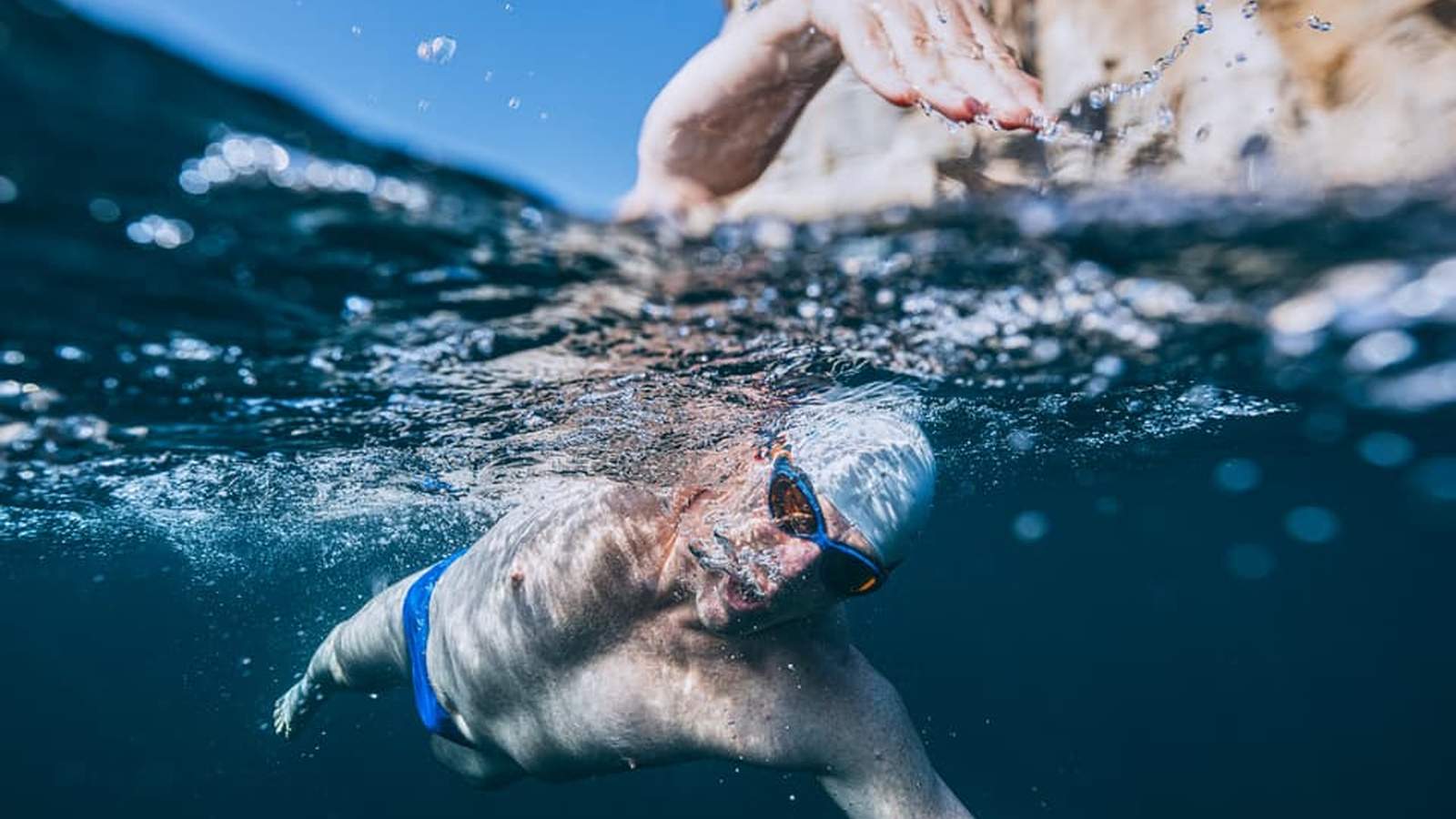
British endurance swimmer and UN Patron of the Oceans Lewis Pugh has completed a 15-kilometer swim through the Strait of Hormuz, an act of protest intended to highlight the severe, long-term environmental degradation caused by the ongoing conflict involving Iran. During a three-day period ending shortly before November 21, 2026, the 56-year-old athlete navigated the strategic waterway, which serves as one of the world’s most critical transit routes for global oil shipments. His journey, reported by Yahoo News, began at the Musandam Peninsula and concluded at the Cape of Hormuz. The timing of the swim coincided with active maritime hostilities; the swimmer reported witnessing tankers engulfed in flames and hearing explosions from strikes on commercial vessels near his route. By documenting these events, Pugh aims to shift public discourse toward the often-overlooked ecological consequences of regional warfare, specifically the threat posed to marine biodiversity in one of the Middle East’s most sensitive natural habitats.
The Ecological Stakes of Maritime Warfare
The Strait of Hormuz is not merely a geopolitical chokepoint but a complex, fragile marine ecosystem. According to The Standard, the region hosts a diverse array of life, including dolphins, sea turtles, and dugongs, alongside extensive coral reefs and mangrove forests. These ecosystems are currently at risk from the localized contamination caused by damaged oil tankers and gas carriers. Pugh’s protest underscores the reality that while the economic and human costs of the conflict are frequently debated, the environmental destruction—such as oil spills and chemical leaks—threatens to cause irreversible damage to these habitats for generations. The swimmer, who previously became the first person to complete long-distance swims in every ocean, argues that nature is a silent casualty of the ongoing hostilities.
Dangerous Conditions and Immediate Realities
Pugh reported that just 30 minutes into his swim, an oil tanker was struck only a few kilometers away. The explosions rocked the sea, and in subsequent days, he witnessed further attacks on commercial shipping, observing vessels engulfed in flames. According to reporting from Newsday, Pugh described the smell of chemicals and fireballs rising into the sky as gas carriers were targeted. The proximity of these attacks highlights the extreme danger inherent in his protest, which he performed wearing only swimming trunks, goggles, and a cap bearing the UN logo. These visual records of burning vessels serve as a stark reminder of the conflict’s physical presence in an area that functions as a vital artery for the global energy supply.
Diplomatic and Environmental Context
The swimmer’s intervention arrives during a period of intense regional instability. UK Foreign Secretary Ed Miliband has recently characterized the Iran conflict as a “no war, no peace” stalemate that inflicts deep economic pain on global markets. Miliband has advocated for an “all-out diplomatic effort” to resolve the crisis and ensure the permanent reopening of the strait, framing the waterway’s accessibility as an essential component of global stability. Pugh’s message remains focused on the intersection of these policy goals and ecological survival: “Stop the fighting. Open the Strait. Clean up the pollution.” His actions serve to link the diplomatic demand for secure maritime passage with the environmental necessity of preventing further degradation of the Gulf’s waters. As the conflict continues, the long-term impact on the marine life of the Strait of Hormuz remains a critical, yet secondary, concern in the broader geopolitical negotiation. Pugh’s foundation notes that similar challenges have helped secure official agreements to protect millions of square kilometers of ocean in the past, a strategy he refers to as “Speedo diplomacy.” By engaging in this high-stakes environment, he hopes to create dialogue and force leaders to consider the ecological cost of military aggression.
Long-Term Consequences of Industrial Warfare
The environmental threat extends beyond the immediate fires and explosions. The ongoing conflict, which has seen ships hit by sea mines and targeted strikes, poses a chronic risk of oil pollution. Pugh warned that once oil and chemical pollutants enter the delicate coastal ecosystems, such as mangrove forests and coral reefs, they become notoriously difficult to remove. The recovery of these habitats could take decades, if not longer. Experts and observers note that the current intensity of the conflict, particularly regarding the targeting of vessels carrying millions of barrels of oil, creates a high probability of large-scale contamination. By bringing global attention to these specific threats, Pugh is attempting to elevate the environmental agenda within the context of the Iran conflict. While the political resolution of the “no war, no peace” stalemate remains the primary focus of international actors, the physical damage to the marine environment is likely to persist long after diplomatic agreements are eventually reached. The swimmer’s documentation provides a rare, firsthand account of the environmental reality in a combat zone, urging that nature be included as a primary concern in future peace negotiations and maritime security policies.